In the realm of glass manufacturing, the performance and longevity of glass kilns depend significantly on the quality of refractory materials used. Among these critical components, fused cast AZS brick stands out as an indispensable material, particularly in the most demanding sections of glass melting furnaces. Zhengzhou Sunrise Refractory Co., Ltd., with its expertise in refractory manufacturing, offers a range of fused cast AZS bricks (33#, 36#, 41#) designed to meet the rigorous requirements of modern glass production.
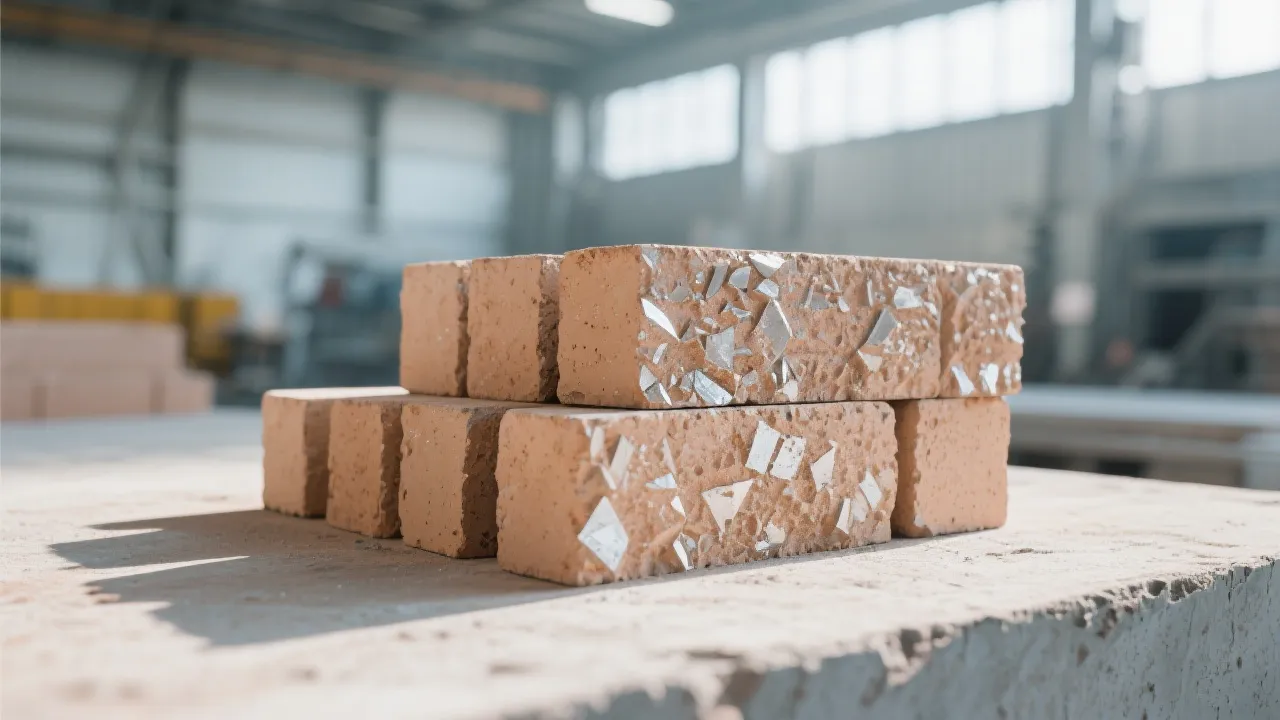
Fused cast AZS brick—an acronym for Alumina-Zirconia-Silica—is a specialized refractory material renowned for its exceptional resistance to high temperatures and molten glass corrosion. The material's unique properties stem from its precise chemical composition and advanced manufacturing process:
This fusion-casting process distinguishes AZS bricks from conventional fired refractories, resulting in a material with enhanced density, low porosity, and exceptional resistance to the harsh conditions within glass kilns.
Maintains structural integrity at continuous operating temperatures up to 1600°C, withstanding thermal cycling and sudden temperature changes common in glass melting processes.
Resists attack from molten glass, alkalis, and batch materials, minimizing wear in critical areas where glass contact is most intense.
Dense structure (typically >3.6 g/cm³) reduces penetration by molten glass and gases, extending service life and maintaining kiln efficiency.
Fused cast AZS brick is strategically employed in specific zones of glass kilns where performance requirements are most stringent. Its application boundaries are defined by the material's unique capabilities:
| Kiln Zone | AZS Grade Typically Used | Reason for Application |
|---|---|---|
| Melting Tank | 36#, 41# | High corrosion resistance against molten glass and batch materials |
| Forehearth | 33#, 36# | Balanced performance for glass conditioning zones |
| Throat & Doghouse | 41# | Withstands high velocity glass flow and temperature gradients |
| Side Walls | 33#, 36# | Combines thermal stability with corrosion resistance |
Zhengzhou Sunrise Refractory's fused cast AZS bricks are engineered to meet the specific demands of these critical kiln zones, ensuring optimal performance and extended service life for glass manufacturers worldwide.
The numerical designations (33#, 36#, 41#) of fused cast AZS bricks indicate the zirconia content, which directly influences their performance characteristics and application boundaries:
Selecting the appropriate grade depends on specific kiln design, operating conditions, and glass type—factors that Zhengzhou Sunrise Refractory's technical team can help evaluate to ensure optimal material selection.
Fused cast AZS brick represents a critical investment in glass kiln performance, directly impacting production efficiency, product quality, and maintenance costs. Its unique combination of high-temperature stability, corrosion resistance, and structural integrity makes it irreplaceable in key areas of glass melting furnaces.
As a specialized manufacturer, Zhengzhou Sunrise Refractory Co., Ltd. remains committed to providing high-quality fused cast AZS bricks tailored to the specific needs of the global glass industry. By understanding the material properties, structural characteristics, and application boundaries of AZS bricks, glass industry professionals can make informed decisions that optimize kiln performance and extend service life.