Selecting Appropriate Ultra-Large Diameter Graphite Electrodes for Stable Continuous Operation of Steel Electric Arc Furnaces
This article provides an in-depth exploration of ultra-large diameter (500mm and above) graphite electrodes and their critical role in high-power electric arc furnace (EAF) steel recycling processes. It emphasizes how electrode size and structural design enhance arc stability and melting efficiency, supporting efficient, eco-friendly, and uninterrupted production. Detailed guidance on electrode installation, maintenance, and replacement is presented, based on industry applications, to help steel plant managers and maintenance teams extend electrode lifespan and achieve reliable, high-quality steelmaking. Supported by charts and process diagrams, the article delivers comprehensive technical solutions aimed at improving operational performance and production outcomes.

Selecting the Optimal Extra-Large Diameter Graphite Electrodes for Sustained, Stable Operation in Steel Electric Arc Furnaces
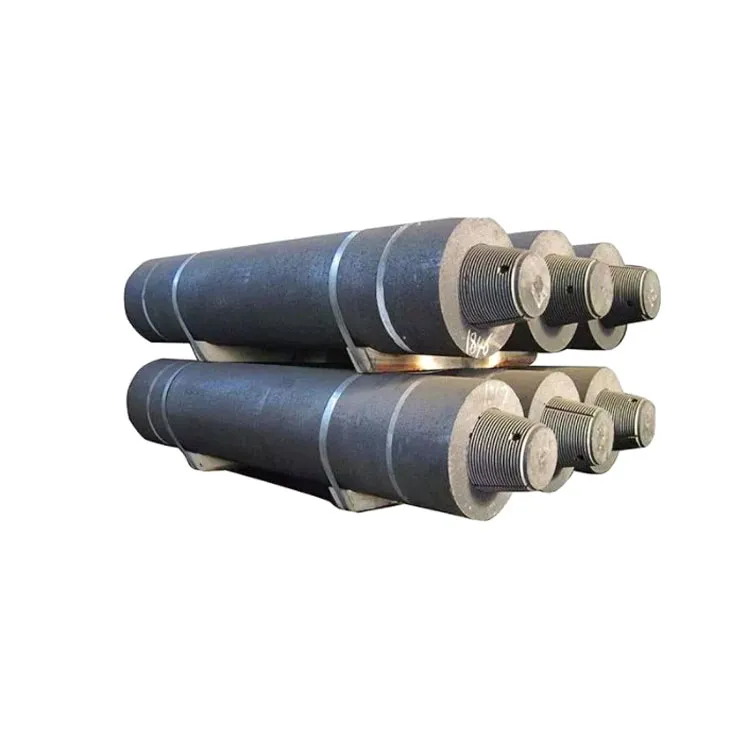
In modern steelmaking, the use of extra-large diameter graphite electrodes—typically 500 millimeters and above—has become essential for maintaining high-power electric arc furnace (EAF) operations. These electrodes are pivotal in maximizing arc stability and melting efficiency, key factors that directly impact production throughput, energy consumption, and environmental compliance. This article offers a comprehensive exploration of the technical merits, installation best practices, and maintenance strategies that enable steelmakers to harness the full potential of these electrodes, ensuring uninterrupted, high-quality steel production.
Understanding the Core Functionality of Extra-Large Diameter Graphite Electrodes
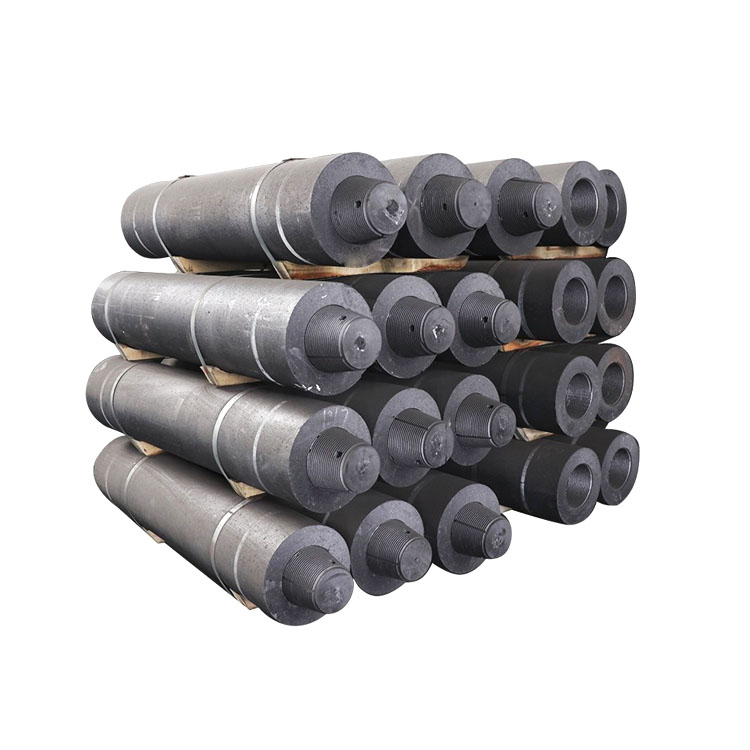
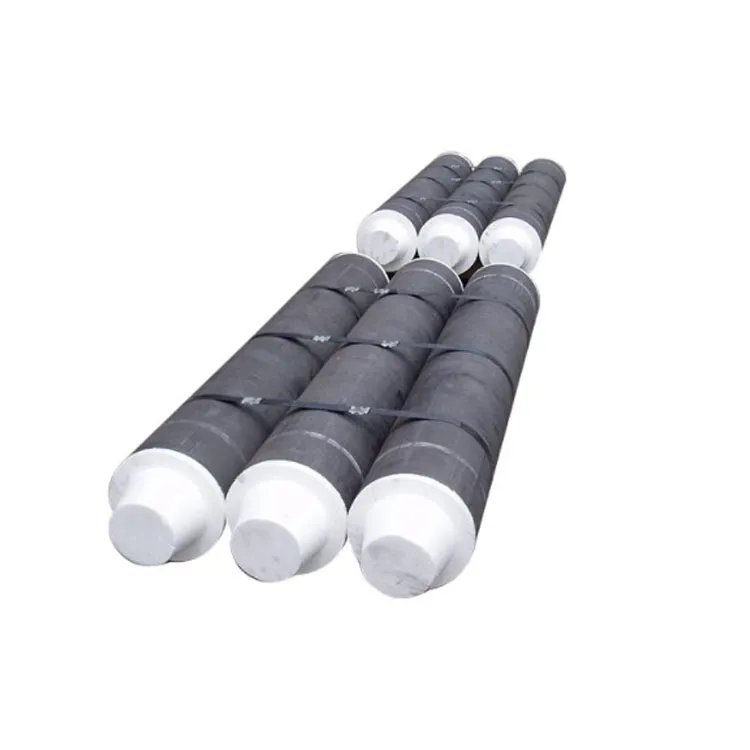
The principal role of graphite electrodes in an EAF is to conduct electrical energy into the furnace, generating the intense arc heat needed to melt steel scrap efficiently. Larger diameter electrodes offer significant advantages, such as:
- Enhanced electrical conductivity that reduces resistive losses.
- Increased mechanical robustness to minimize breakage during operation and handling.
- Improved thermal stability, allowing for higher current loads without compromising performance.
By scaling electrode diameter to 500 mm and above, steelmakers have reported up to a 15% increase in arc energy efficiency, enabling shorter melting cycles while lowering total energy consumption by approximately 5-8%. Moreover, larger electrodes contribute to a more stable arc length, reducing fluctuations that can lead to irregular melting and emissions spikes.
Technical Nuances of Electrode Size and Structural Design
The scaling up of electrode diameter involves careful engineering of structural features such as:
- Core density and grain orientation: Improved density enhances electrical conduction and reduces oxidation rates.
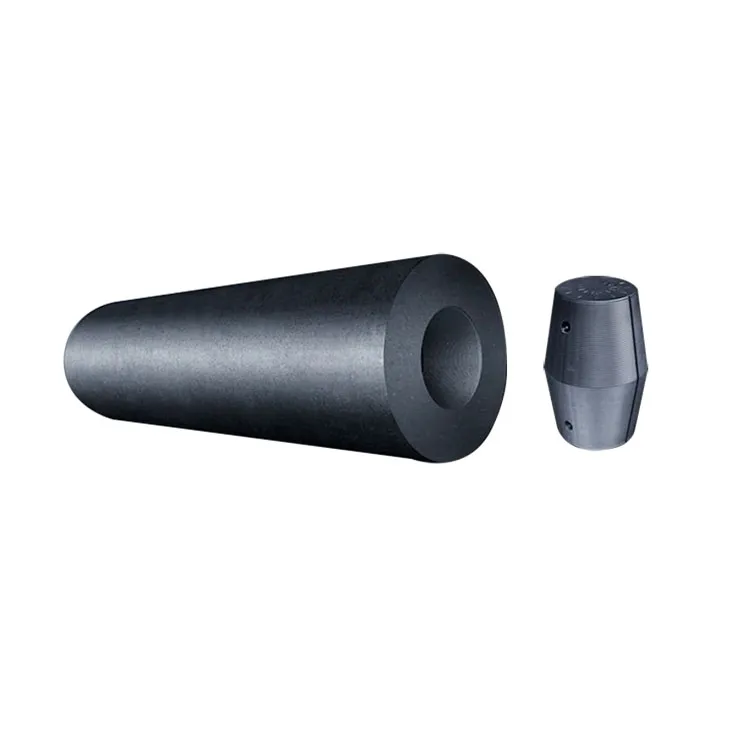
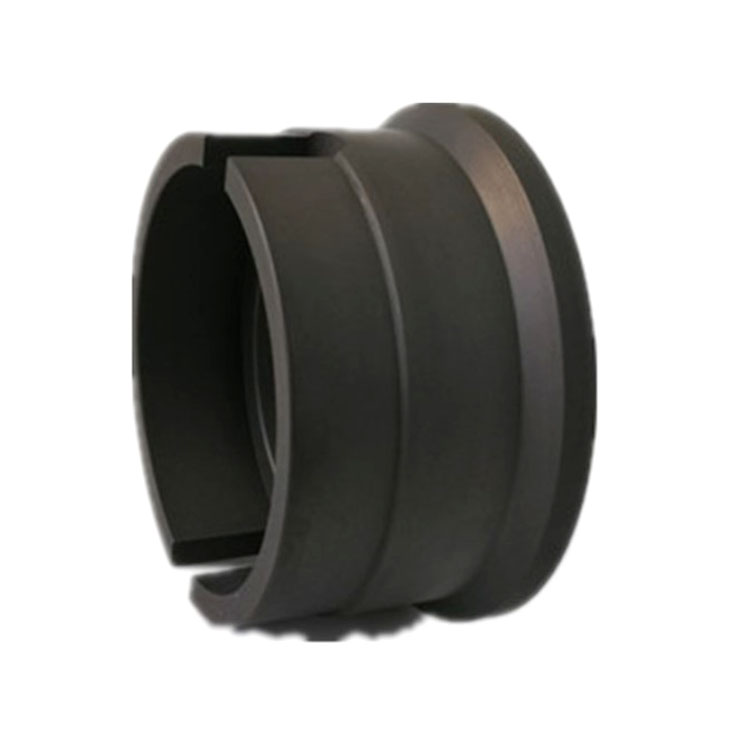
- Threaded connections: High-precision threads facilitate reliable joint stability, essential for continuous current flow and mechanical integrity.
- Surface coatings: Protective layers reduce carbon consumption by up to 12%, extending electrode lifespan.
These design aspects correlate to a measurable increase in electrode operational life, often exceeding 10% longer service time compared to standard diameters under similar working conditions.
Optimizing Installation and Maintenance Procedures
Proper electrode installation and maintenance are critical to leverage the full benefits of extra-large graphite electrodes. Steelworks adopting best practice protocols report downtime reduction by up to 20%. Key operational steps include:
- Pre-installation inspection: Confirm thread integrity and absence of cracks.
- Precise threading and tightening: Utilize torque-controlled equipment to avoid mechanical stress.
- Regular cleaning to prevent oxidation buildup: Scheduled removal of slag and contaminants preserves conductive pathways.
- Monitoring electrode wear: Implement ultrasonic or laser measurement tools for predictive maintenance.
- Timely replacement following wear thresholds: Based on industry standards, replacement is recommended when diameter reduction exceeds 10%.
Case Insights: Elevating Furnace Productivity and Sustainability
Industry deployments of extra-large diameter graphite electrodes illustrate profound production and environmental benefits. A leading steel plant in Europe documented:
- 14% increase in melting rates, reducing overall cycle time from 45 to 39 minutes.
- 6% energy savings per ton of steel produced, equating to annual reductions of over 5,000 MWh.
- Decreased electrode replacement frequency, yielding 8% lower operational costs.
- Lowered particulate emissions due to enhanced arc stability, in compliance with stricter EU environmental standards.
These results underline how choosing and maintaining the right graphite electrode configuration directly contributes to operational resilience and regulatory alignment.