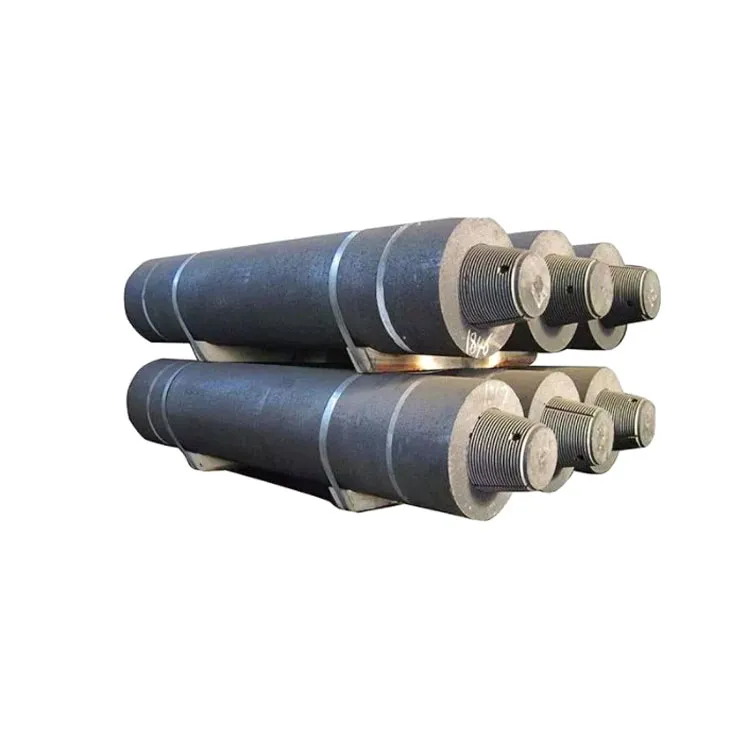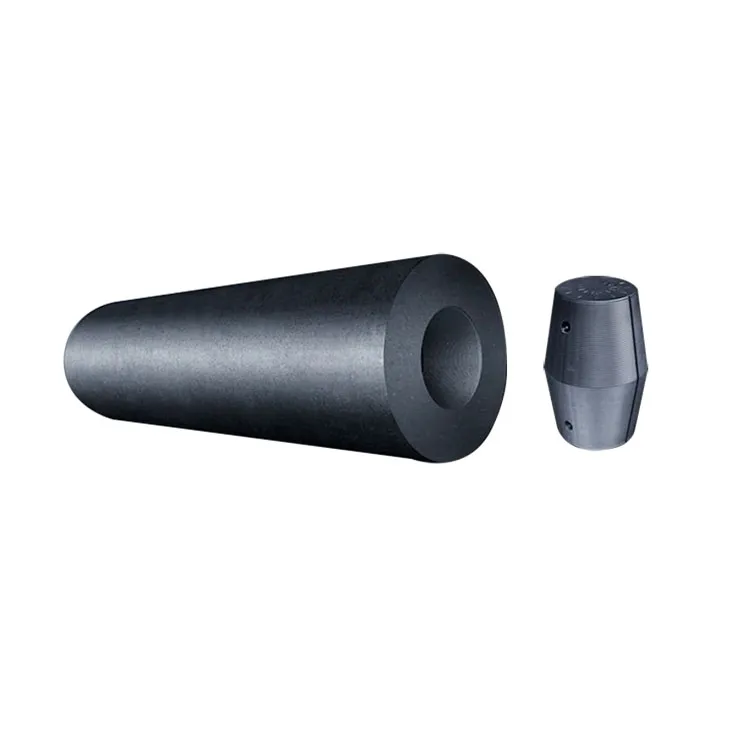
For steelmakers operating electric arc furnaces (EAFs), the choice of graphite electrode size isn’t just a technical detail—it’s a strategic lever for reducing energy consumption, improving process stability, and cutting long-term operational costs. In modern high-efficiency EAF operations, electrodes with diameters exceeding 500mm have become the gold standard for ultra-high power applications.
Research from the International Iron & Steel Institute shows that increasing electrode diameter from 450mm to 500mm can reduce electrical resistance by up to 12%, leading to a measurable drop in specific energy consumption—from 420 kWh/tonne to around 370 kWh/tonne in typical EAF campaigns. This improvement directly impacts both cost per tonne and carbon footprint.
| Electrode Diameter | Avg. Energy Use (kWh/tonne) | Estimated Lifetime (Hours) |
|---|---|---|
| 450 mm | 420 | 35–40 |
| 500 mm | 370 | 50–60 |
These gains aren't accidental—they stem from optimized thermal conductivity, reduced arcing frequency, and better mechanical integrity under high current loads. A 2023 case study at a German steel plant confirmed a 15% reduction in downtime due to electrode breakage after switching to 500mm+ electrodes, translating into an additional 120 hours of productive furnace time per month.
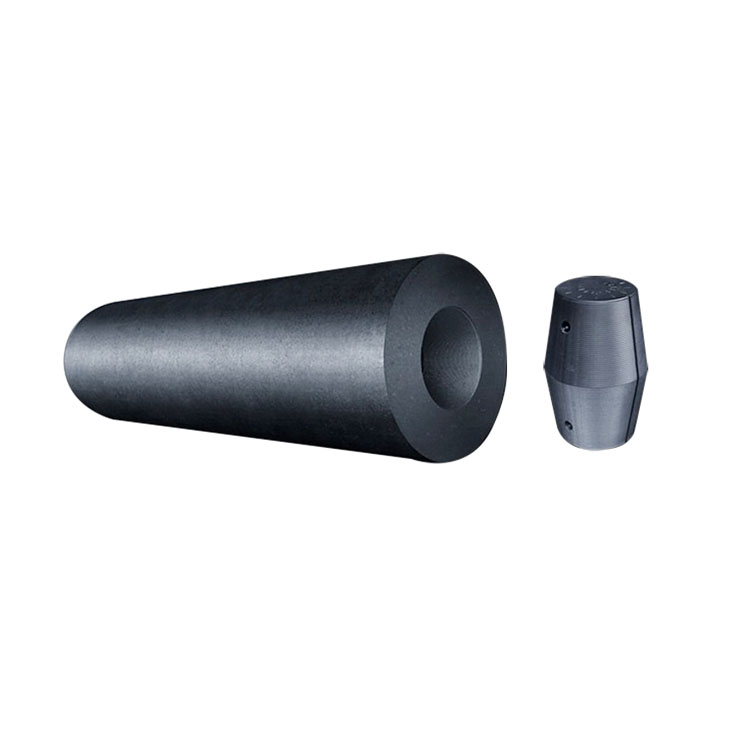
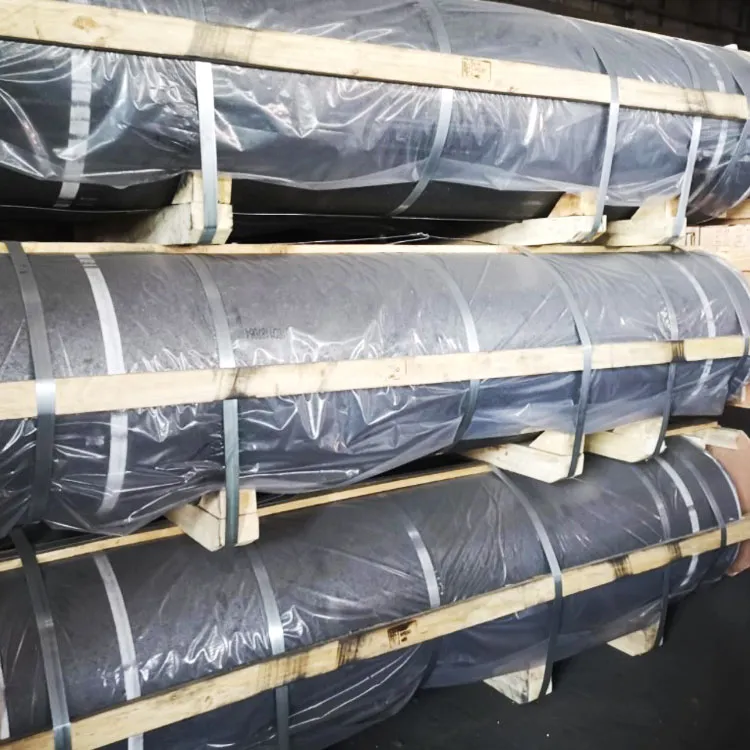
Even the best electrodes won’t deliver value without proper handling. Key practices include:
“Switching to 500mm+ electrodes was one of our smartest moves last year. We saw immediate improvements in melting speed and fewer unplanned shutdowns.” — Dr. Lena Müller, Head of Process Engineering, ThyssenKrupp Steel Europe
The environmental benefits are equally compelling: lower energy use means less CO₂ emissions per tonne of steel produced—a critical metric for ESG compliance in EU and North American markets.
If you’re managing a high-volume EAF operation or evaluating upgrades for your current setup, understanding how electrode design influences performance is no longer optional—it’s essential.
Download our comprehensive technical whitepaper: “Full Lifecycle Management of High-Diameter Graphite Electrodes in Modern EAF Operations”
立即下载完整技术手册,掌握电极全生命周期管理方案