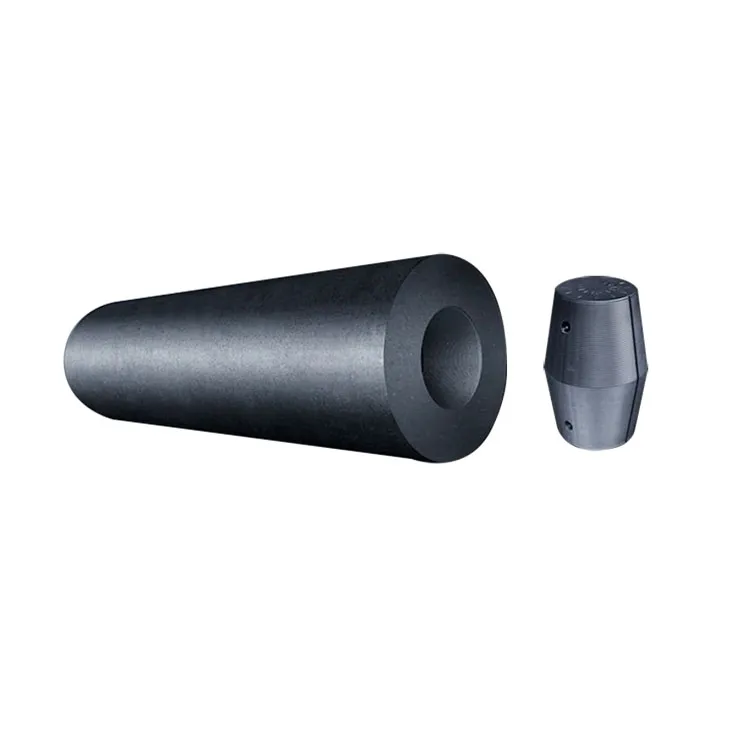
Ultra-Large Diameter Graphite Electrodes: Key Technical Insights for Enhancing Arc Furnace Steel Recycling Efficiency

05 12,2025
Sunrise
Technical knowledge
This technical white paper provides a comprehensive analysis of ultra-large diameter graphite electrodes—those exceeding 500 mm—in electric arc furnace (EAF) steel recycling processes. It explores how advanced dimensional design and structural optimization improve arc stability and melting efficiency, enabling high-throughput, low-emission steel production. Supported by real-world operational data and case studies, the document delivers actionable guidance on electrode installation, maintenance, and replacement strategies to extend service life and ensure continuous, high-quality operations. Designed for steel plant engineers and maintenance teams, this resource combines technical rigor with practical insights, empowering industry professionals to adopt sustainable, efficient EAF practices. Integrated visual aids—including diagrams and step-by-step procedures—enhance clarity and usability, making it an essential reference for modernizing steelmaking infrastructure.
special-graphite-structural-parts-3.jpg

Why Ultra-Large Diameter Graphite Electrodes Are Transforming Electric Arc Furnace Steel Recycling

In the global push toward sustainable steelmaking, electric arc furnaces (EAFs) have become the backbone of secondary steel production—especially in regions like Europe, North America, and East Asia where scrap-based recycling is both economically and environmentally preferred.

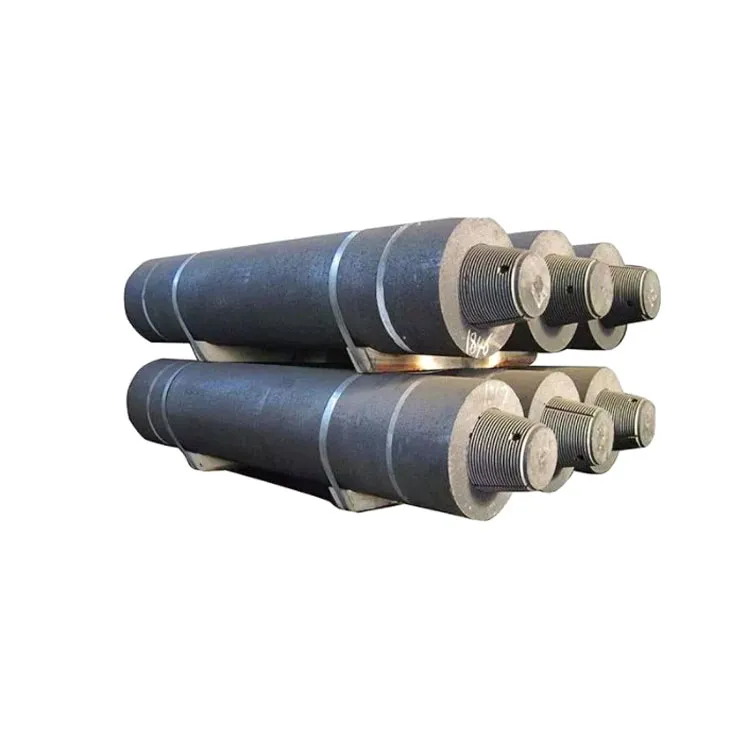
Among the most critical components enabling this shift are ultra-large diameter graphite electrodes—those exceeding 500 mm in size. While often overlooked by non-technical buyers, these electrodes are not just structural elements—they’re performance drivers that directly impact energy efficiency, furnace uptime, and final product quality.

The Science Behind Larger Diameters: Stability Meets Efficiency

Research from the International Journal of Refractory Metals & Hard Materials shows that increasing electrode diameter from 450 mm to 600 mm can reduce arc voltage fluctuations by up to 18%. This translates into more consistent heat distribution across the scrap charge, reducing hot spots and cold zones—a common cause of uneven melting and increased refractory wear.

Moreover, larger electrodes provide a higher current-carrying capacity without overheating. For example, a 600 mm electrode can carry approximately 75 kA continuously—about 25% more than a standard 450 mm unit—while maintaining safe operating temperatures below 1,000°C at the tip.

Electrode Diameter Max Current Capacity (kA) Avg. Arc Stability Improvement
450 mm 60 kA Baseline (0%)
500 mm 68 kA +12%
600 mm 75 kA +18%

These improvements aren’t theoretical—they’ve been validated in real-world operations. A case study from a mid-sized steel plant in Germany reported a 14% reduction in power consumption per ton of molten steel after switching to 600 mm electrodes, with no loss in throughput.

Operational Best Practices for Longevity and Uptime

Even the best-designed electrode fails if installed or maintained incorrectly. Industry data indicates that improper installation accounts for nearly 30% of premature electrode failures in EAFs.

Key steps include:

  • Ensuring proper torque on clamping systems (typically 35–40 Nm for 600 mm units)
  • Using preheated electrodes before insertion to minimize thermal shock
  • Scheduling regular inspections every 20–30 heats to check for cracks or erosion
  • Implementing a predictive maintenance calendar based on electrode usage hours

When done right, a well-maintained 600 mm graphite electrode can last over 1,200 hours—up to 40% longer than smaller counterparts—significantly improving cost-per-ton economics.

Cross-section view of a 600 mm graphite electrode showing internal structure and bore design for improved heat dissipation

Environmental Impact: Cleaner Steel Starts Here

As carbon neutrality becomes a regulatory imperative, EAFs powered by ultra-large electrodes offer a compelling alternative to blast furnaces. According to the World Steel Association, EAFs using optimized graphite electrodes emit 70% less CO₂ per ton of steel compared to traditional methods.

For steel producers aiming to meet green procurement standards—from EU Green Deal compliance to U.S. Inflation Reduction Act incentives—this isn’t just about sustainability. It’s about competitiveness.

Pro Tip: When evaluating suppliers, ask for real-time electrode wear reports from existing customers—not just lab test results. The difference between theory and field performance is often the key to long-term success.

Ready to Optimize Your EAF Performance?

Discover how our engineered ultra-large diameter graphite electrodes can boost your furnace efficiency, extend electrode life, and support your green steel goals.

Explore Our Technical Solutions →
Name *
Email *
Message*

Recommended Products

<#if (articleDetails.articleDetailsRelatedArticles.articleList?has_content)?? && (articleDetails.articleDetailsRelatedArticles.articleList?size>0)> <#if (articleDetails.articleDetailsRelatedArticles.isShow)?? && articleDetails.articleDetailsRelatedArticles.isShow> <#if (articleDetails.articleDetailsRelatedArticles.title)?? && articleDetails.articleDetailsRelatedArticles.title!="">

${articleDetails.articleDetailsRelatedArticles.title}

<#list articleDetails.articleDetailsRelatedArticles.articleList as list>
<#if (list.imgUrl?has_content)?? && (list.imgUrl?has_content)> ${list.imgAlt} <#else> img

${list.title}

${(list.updateTime)?number_to_datetime?string('dd MM ,yyyy')}
Contact us
Contact us
https://shmuker.oss-cn-hangzhou.aliyuncs.com/tmp/temporary/60ec5bd7f8d5a86c84ef79f2/60ec5bdcf8d5a86c84ef7a9a/thumb-prev.png