In the efficient operation of ultra-high power electric arc furnaces (EAF), the selection of graphite electrodes directly determines energy efficiency and production stability. This article delves deep into the key impacts of needle coke raw materials on conductivity and thermal stability, explains in detail how precision machining processes and threaded connection designs enhance mechanical strength and reliability, and presents real - world cases demonstrating a 15% energy - saving benefit after optimized electrode selection. Whether you are an engineer, operator, or procurement decision - maker, you can obtain practical technical references and operational suggestions from this article to promote the green and intelligent upgrading of steel production.
The quality of raw materials is fundamental to the performance of graphite electrodes. Needle coke, as a key raw material, significantly affects the conductivity and thermal shock resistance of graphite electrodes. Needle coke has a highly oriented structure, which allows for a more efficient flow of electrons. This results in better conductivity, reducing energy losses during the operation of the electric arc furnace. In laboratory tests, electrodes made from high - quality needle coke can achieve a conductivity improvement of up to 10% compared to those made from ordinary coke.
In terms of thermal shock resistance, the unique structure of needle coke enables the graphite electrode to better withstand rapid temperature changes. During the operation of the EAF, the electrode is exposed to extremely high temperatures and sudden temperature drops. The use of needle coke can reduce the risk of cracking and damage caused by thermal stress, thereby extending the service life of the electrode. For example, in some high - intensity EAF operations, electrodes with needle coke can have a 20% longer service life compared to non - needle coke electrodes.
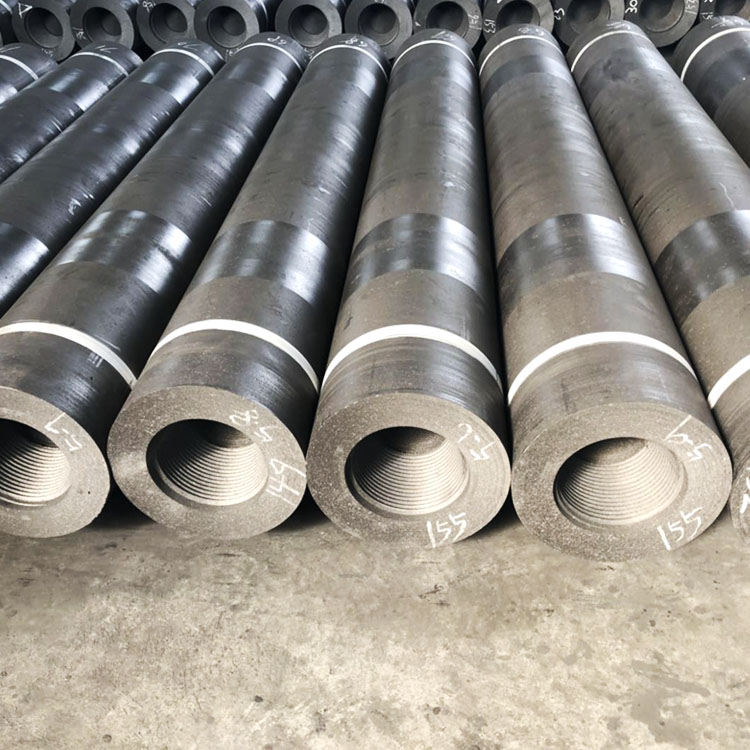
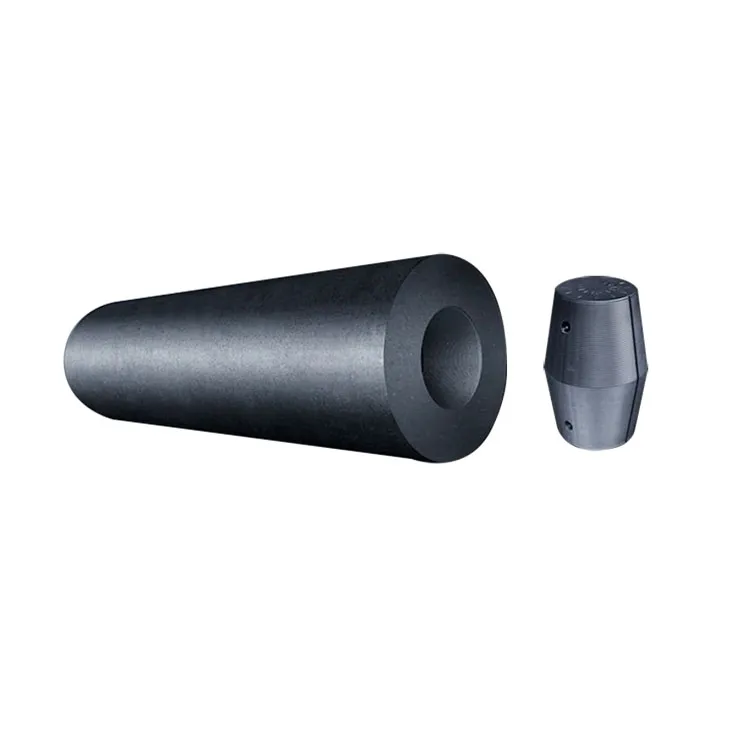
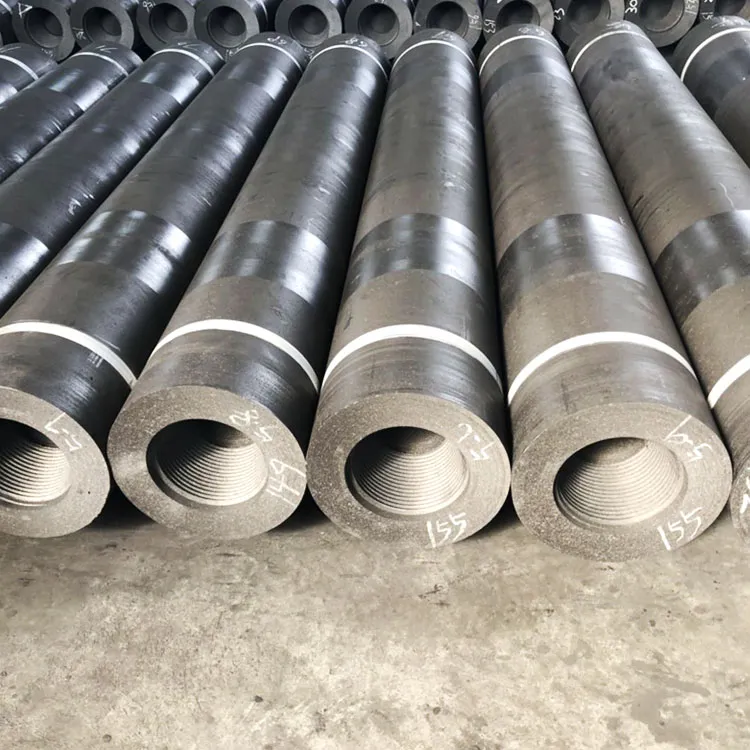
Precision mechanical machining and threaded end design play a crucial role in the connection reliability and service life of graphite electrodes. The precision machining process ensures that the electrode has a uniform diameter and smooth surface, which is essential for stable current conduction. Any irregularities on the electrode surface can lead to uneven current distribution, resulting in local overheating and potential electrode damage.
The threaded end design is another key factor. A well - designed threaded connection can provide a strong and reliable joint between electrodes. It not only enhances the mechanical strength of the connection but also ensures good electrical contact. In practical applications, a properly designed threaded connection can reduce the risk of electrode breakage at the connection point by up to 15%, improving the overall stability of the EAF operation.
Let's take a steel production company as an example. Before optimizing the electrode selection, the company was facing high energy consumption and frequent electrode replacements. After switching to graphite electrodes with optimized needle coke and precision machining, the company achieved remarkable results. The energy consumption of the EAF was reduced by 15%, and the electrode replacement frequency was decreased by 25%. This not only led to significant cost savings but also improved the overall production efficiency.
"After using the new graphite electrodes, we noticed an immediate improvement in energy efficiency. The reduction in electrode replacement frequency also saved us a lot of time and money. It's a win - win situation for our production." - A representative from the steel company
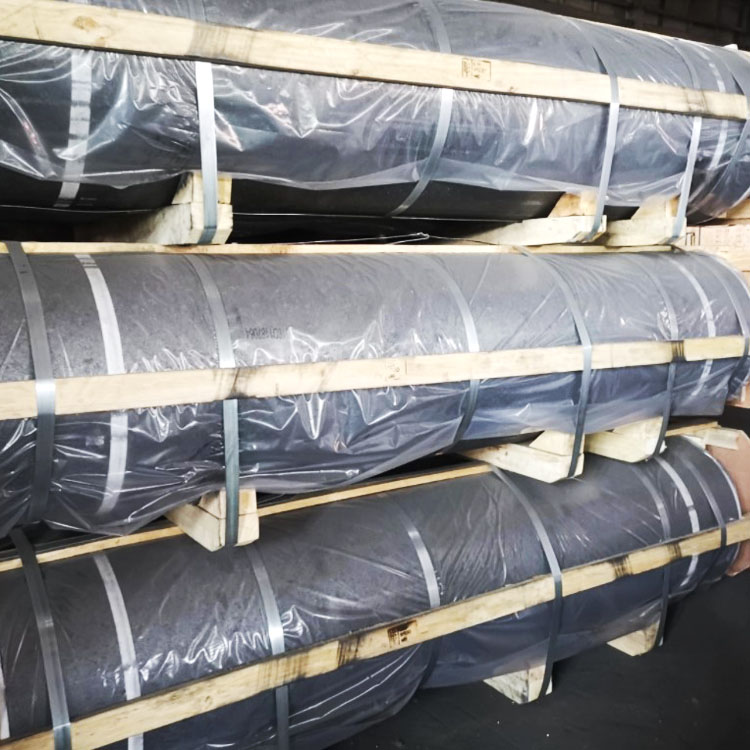
To ensure the long - term stable operation of graphite electrodes, daily inspections are necessary. Here are some key inspection points: check the surface of the electrode for cracks, abrasions, and signs of overheating; measure the diameter of the electrode regularly to ensure it is within the specified range; and inspect the threaded connection for tightness and damage.
We also provide a simple evaluation tool that can help you quickly assess the performance of your graphite electrodes. By measuring some basic parameters such as conductivity and temperature distribution, you can get an overall understanding of the electrode's condition and make timely decisions on electrode replacement or adjustment.
There are some common myths in the selection and use of graphite electrodes. One of them is that "any graphite electrode can work in an EAF." In fact, different types of electrodes have different performance characteristics, and only by selecting the right electrode can you achieve optimal energy efficiency and production stability. Another myth is that "higher - priced electrodes are always better." While high - quality electrodes may have better performance, it is important to consider your specific production requirements and cost - effectiveness.
In conclusion, the selection of graphite electrodes for ultra - high power electric arc furnaces is a critical decision that can have a significant impact on energy efficiency, production stability, and cost. By understanding the key factors such as raw materials, machining processes, and real - world application cases, you can make more informed decisions. To learn more about how to select the most suitable graphite electrodes for your EAF and achieve sustainable efficiency improvement, click here.