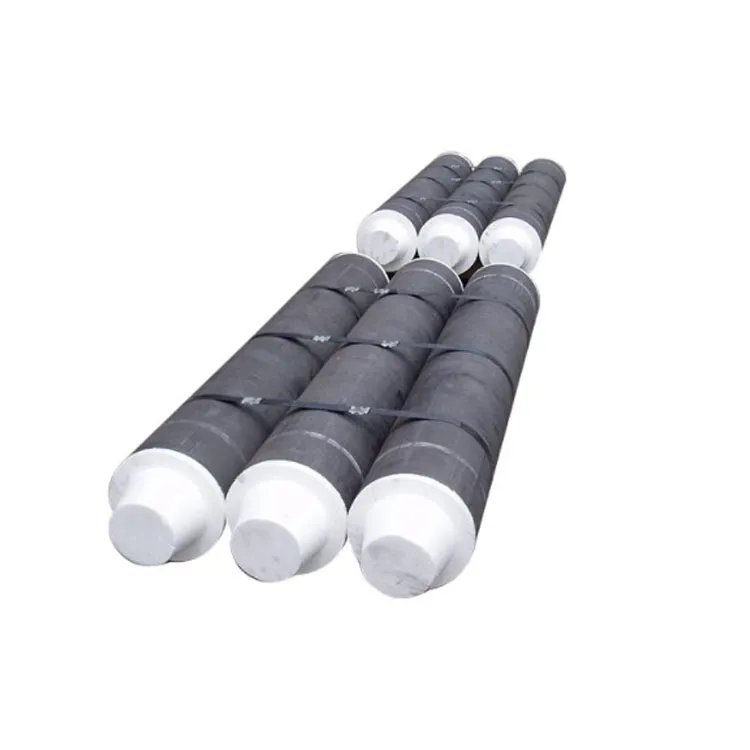
Electrode Maintenance Guide: Effective Assessment and Care for Ultra-High Power EAF Graphite Electrodes
17 11,2025
Tutorial Guide
Mastering the routine maintenance and condition assessment of ultra-high power graphite electrodes is essential for optimizing electric arc furnace (EAF) performance. This guide details practical methods such as visual inspection, temperature fluctuation analysis, and connection tightness evaluation to identify electrode aging or damage signs, thereby preventing unexpected furnace downtime. Supported by real-world cases demonstrating over 15% energy savings, this tutorial empowers engineers, operators, and procurement decision-makers to implement data-driven strategies that significantly reduce operating costs and enhance furnace stability for greener, more efficient steelmaking.

Electrode Maintenance Guide: Effectively Assess and Maintain Ultra-High Power Arc Furnace Graphite Electrodes
For your electric arc furnace (EAF) operations, mastering the routine maintenance and condition assessment of ultra-high power graphite electrodes plays a pivotal role in enhancing operational efficiency and cutting costs. This guide offers you a structured approach to promptly identify signs of electrode aging or damage using proven inspection techniques such as visual checks, temperature fluctuation analysis, and connection tightness evaluation. When applied consistently, these methods can help you significantly reduce unplanned downtime risks and decrease energy consumption by up to 15%, propelling your steel production towards greener, more stable output.
Common Causes of Electrode Failure
You must appreciate the underlying factors that lead to electrode degradation. The primary failure modes include:
- Thermal Cracks: Repeated heating and cooling cycles create micro fractures increasing the likelihood of catastrophic breaks.
- Thread Wear: Continuous screwing and unscrewing weaken the threaded connectors, risking poor electrical contact.
- Abnormal Carbonization Layers: Uneven carbonized surfaces can cause electrical resistance hotspots, reducing current flow efficiency.
Comparing Traditional vs. Ultra-High Power Electrodes Under Extreme Conditions
| Feature |
Traditional Electrodes |
Ultra-High Power Electrodes |
| Max Operating Current (kA) |
50-60 |
80-100 |
| Thermal Resistance |
Moderate |
Low |
| Thread Durability (cycles) |
Up to 150 |
Up to 300 |
| Performance Stability |
Medium under stress |
High under extreme load |
As you can see, ultra-high power electrodes are engineered for superior durability and consistent performance, even in the harshest operating environments, enhancing furnace stability and reducing frequent replacements that inflate operating costs.
Comprehensive Electrode Inspection Checklist
Incorporating a routine inspection process will enable you to catch faults early. Here’s a practical checklist you can implement during your regular maintenance rounds:
- Visual Assessment: Check for surface cracks, blistering, and abnormal discoloration indicating overheating.
- Thread Integrity: Examine for thread deformation or wear that may affect clamp tightness.
- Connection Tightness: Measure the mechanical torque to ensure joints meet manufacturer’s recommendations.
- Temperature Monitoring: Use infrared thermography to detect hotspots along the electrode and connection points.
- Electrical Resistance Testing: Evaluate current carrying paths to identify any resistive faults.
Interactive Prompt: Please record today’s electrode condition based on the checklist above to track trends and preempt potential failures.
Insight from the Field: Real-World Success Story
“After adopting the outlined maintenance protocol, our plant observed a 12% reduction in unscheduled downtimes and nearly 17% energy savings within six months. These improvements have significantly lowered our operational expenses while boosting furnace stability.” – Lead Engineer, Mid-sized Steel Manufacturer.
Visualizing Electrode Stress & Connection Reliability
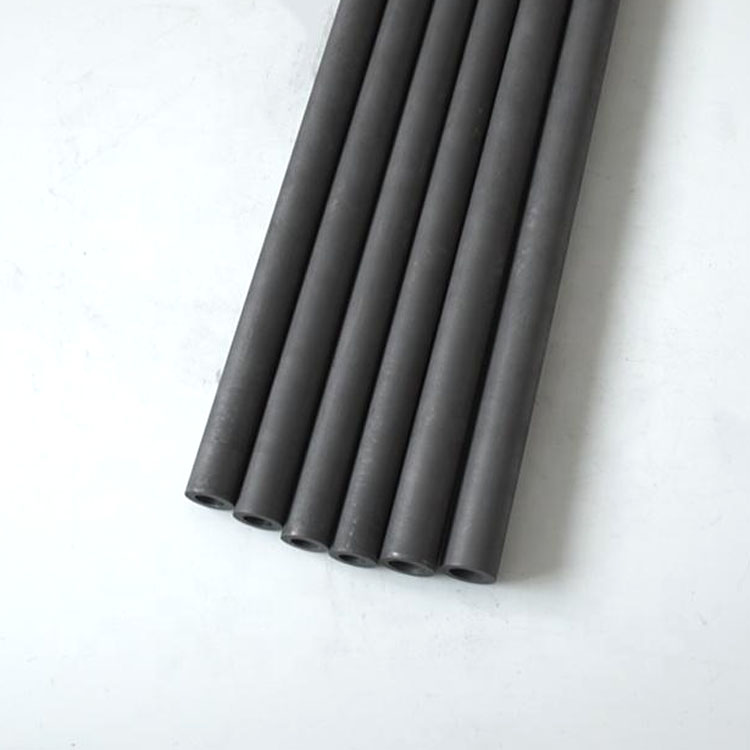
Understanding the distribution of mechanical and thermal stresses within electrodes is vital. High-resolution diagrams detailing these stress points can guide you on where to focus inspections, thus maximizing electrode lifespan and operational safety.
Why Consistent Maintenance Matters
By applying the above inspection routines and maintenance strategies, you will:
- Significantly lower your operating costs by minimizing unexpected electrode failures.
- Enhance furnace stability through reliable electrode performance.
- Extend electrode service life ensuring long-term savings.
- Contribute to energy efficiency goals, supporting greener steel manufacturing.