The steel industry continuously strives for operational excellence, where precise thermal management during ladle baking plays a pivotal role. Common issues such as slow ramp-up rates and uneven temperature distribution inside ladles not only affect energy consumption but also impact molten steel quality and production continuity. This article delves into advanced insulation design and baking process optimization strategies, substantiated by real-world data and case studies, to guide steel plants towards achieving efficient and uniform ladle heating.
Inefficient ladle baking typically stems from non-optimized insulation layers and suboptimal heat application methods. Temperature deviations of more than 20°C across ladle surfaces can cause uneven refractory wear and jeopardize the steel quality. Industry audits reveal that poor temperature uniformity can extend baking times by 15–25%, directly escalating fuel costs and reducing throughput.
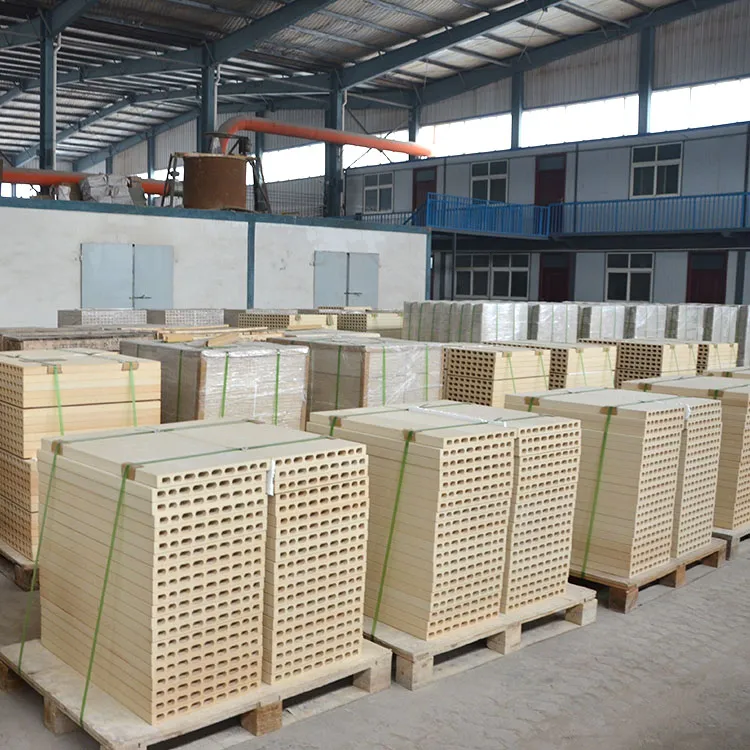
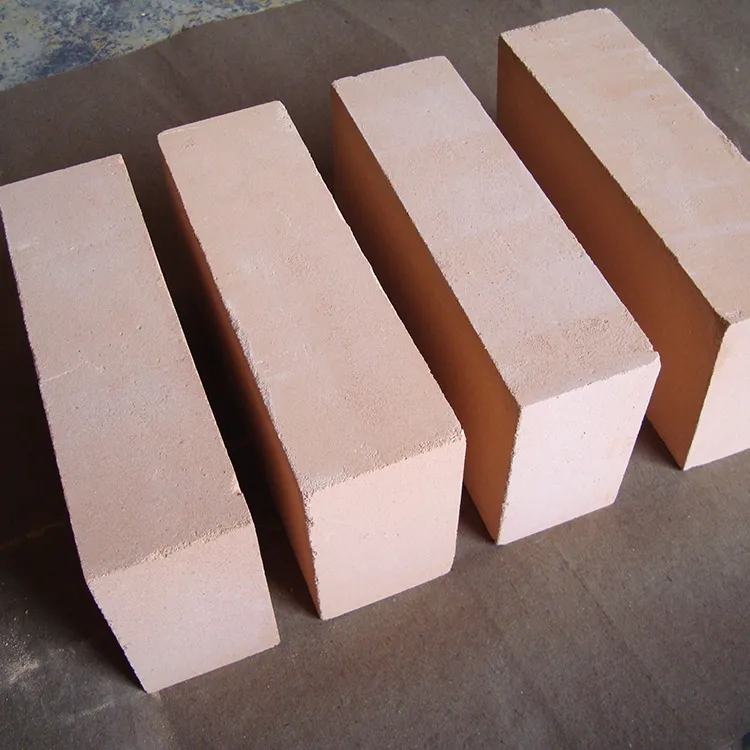
The heart of enhancing ladle baking lies in the insulation layer’s structure. Recent advancements showcase that a carefully engineered multilayer insulation approach—with each layer tailored for specific thermal conductivity—marks a notable breakthrough. The introduction of high-performance alumina-rich refractory insulation boards has proven instrumental in reducing heat loss while promoting uniform temperature gradients.
| Insulation Layer | Material Composition | Thermal Conductivity (W/mK) | Function |
|---|---|---|---|
| Inner Layer | High alumina content refractory board (≥65% Al₂O₃) | 0.15 - 0.20 | Heat retention and protection of the ladle shell |
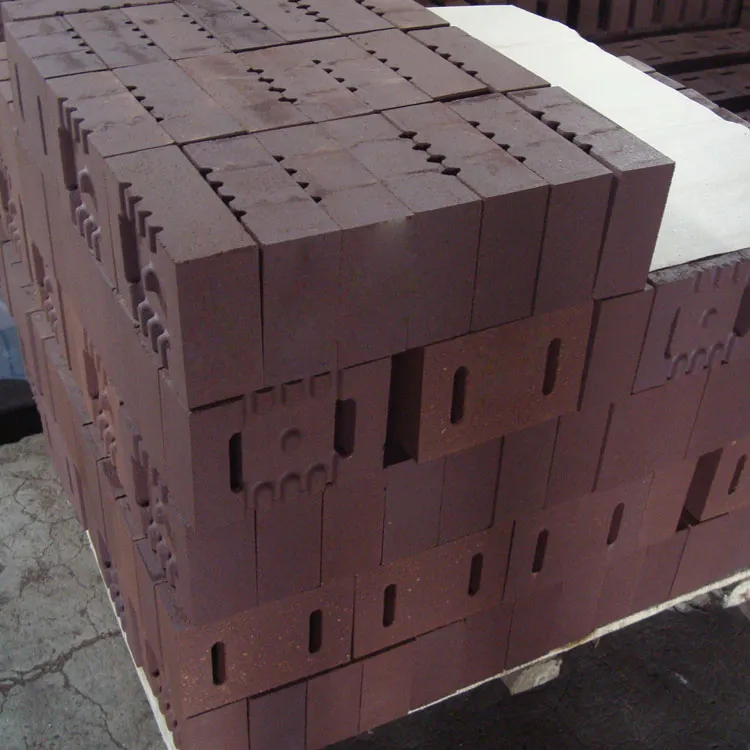
| Middle Layer | Lightweight insulating firebrick with alumina modifiers | 0.10 - 0.14 | Minimizing heat flow leakage |
| Outer Layer | Ceramic fiber blanket with alumina enrichments | 0.06 - 0.08 | Thermal shock resistance and surface protection |
Field data from several steelworks adopting this multilayer design indicate a 20-30% reduction in baking cycles—from typical 8 hours down to 5.6 hours—while achieving temperature uniformity within ±5°C, a remarkable improvement over traditional single-layer insulation.
Beyond physical insulation enhancements, tuning baking parameters critically influences thermal performance. Recommended process modifications include:
A case study involving a leading Asian steel producer recorded improvements correlating precise temperature control with a consistent 12% reduction in fuel consumption during ladle roasting.

Alumina-rich refractory materials bring superior chemical stability and high thermal resistance, crucial under severe ladle operating conditions. Their inherent low thermal conductivity limits energy loss, while high mechanical strength counters thermal fatigue. Typically, increasing aluminum oxide content above 65% increases the service life of insulation panels by 25-40%, translating to fewer replacements and operational downtimes.
Additionally, high alumina boards display improved compatibility with thermal expansion coefficients matching steel ladles, significantly reducing crack formation during repeated thermal cycling.
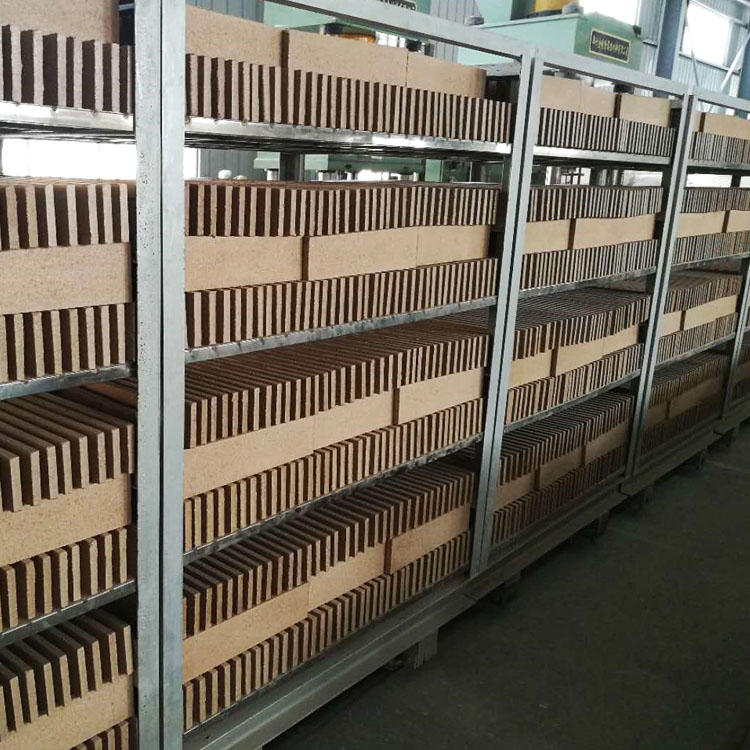
Insulation thickness must balance thermal resistance with economic feasibility. Studies demonstrate that increasing high-performance insulation thickness from 50 mm to 100 mm can reduce heat loss by up to 35%. However, beyond 100 mm, returns diminish rapidly due to logistical complexity and cost increments.
Steel mills targeting enhanced performance often adopt a stratified thickness approach: thicker inner layers for heat retention, tapering outward to lighter layers for surface protection. This approach ensures optimal thermal conductivity gradients aligned with industrial constraints.
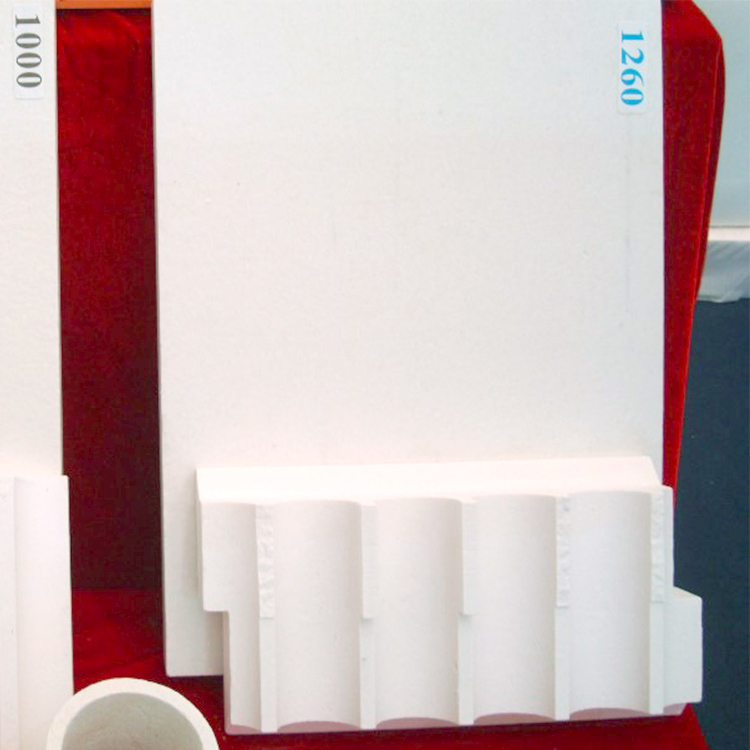
For an efficient upgrade with significant impact, selecting comprehensive solutions such as de-risked insulation boards from Sunrise’s high-performance refractory line can accelerate the transition, backed by extensive R&D and field validations.