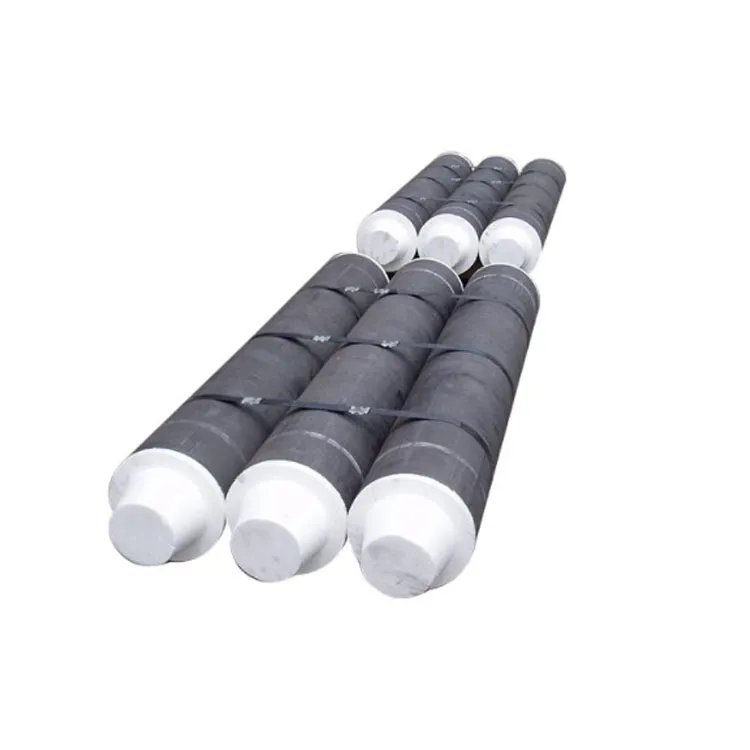
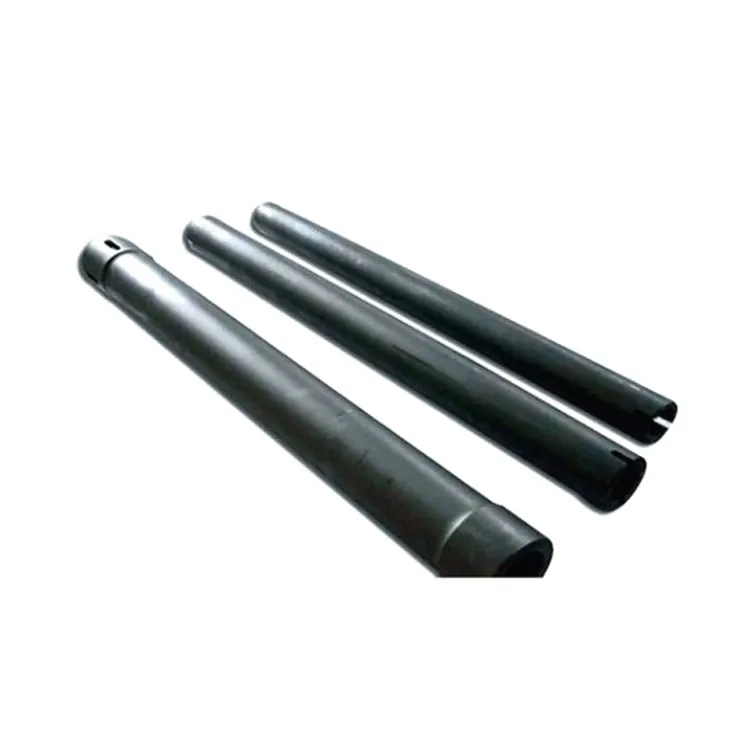
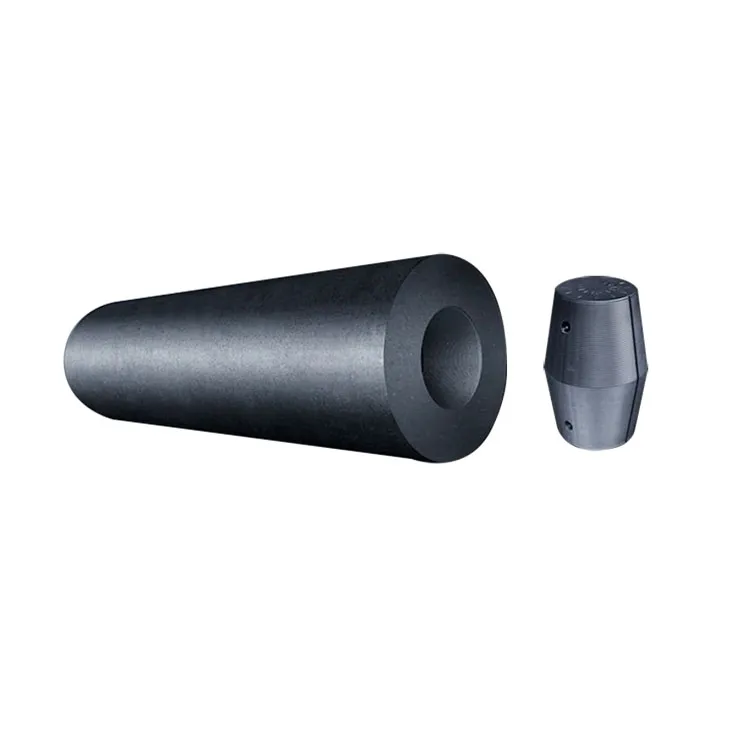
In the realm of electric arc furnace (EAF) steelmaking, high-power graphite electrodes play a pivotal role. However, abnormal electrode consumption can significantly impact production efficiency and operational costs. This article delves into the five common causes of abnormal graphite electrode consumption in EAF steelmaking, presents solutions, and provides industry-recognized detection standards.
High-power graphite electrodes are essential components in EAF steelmaking. They conduct electricity to generate an arc, which melts the scrap steel. The quality and performance of these electrodes directly affect the efficiency and stability of the steelmaking process. A study shows that a well - maintained electrode can increase the furnace's operation stability by up to 30% and reduce energy consumption by about 15%.
The material ratio and purity of graphite electrodes are crucial. Impurities in the electrode material can lead to uneven heating and increased consumption. For example, in a certain steel plant, when the impurity content in the electrode material increased from 1% to 3%, the electrode consumption rate rose by 20%. High - quality materials with proper ratios ensure better conductivity and heat resistance.
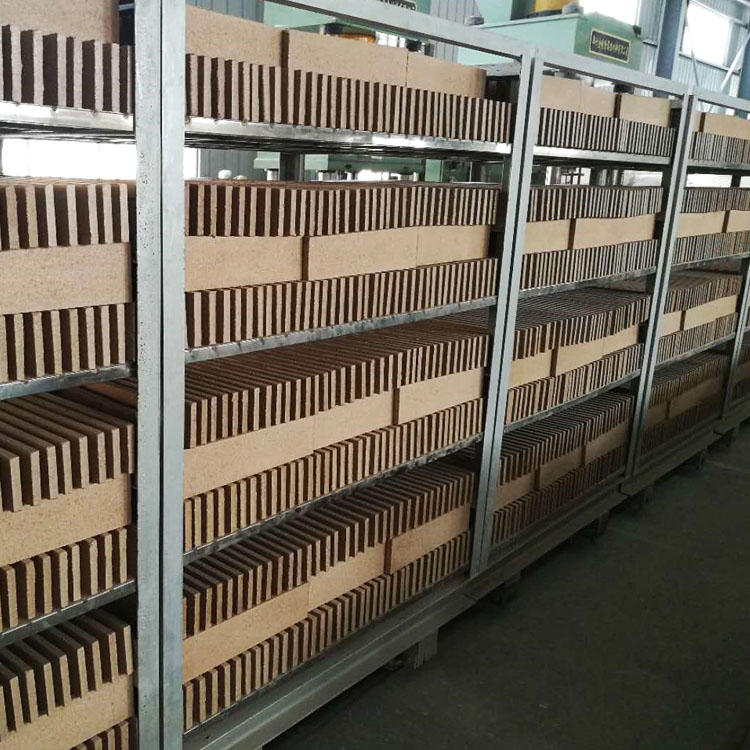
The baking and graphitization processes determine the physical and chemical properties of the electrodes. Improper processes can cause internal defects in the electrodes, leading to abnormal consumption. A case study of two different electrode production lines showed that the electrodes produced with optimized processes had a 15% lower consumption rate compared to those with sub - standard processes.
Fluctuations in furnace temperature and current density can cause thermal stress and mechanical stress on the electrodes, resulting in breakage and increased consumption. Data analysis from multiple steel plants indicates that when the current density fluctuates by more than 10%, the electrode breakage rate can increase by 12%.
Operator habits also have a significant impact on electrode consumption. Incorrect operations, such as improper electrode connection and irregular maintenance, can accelerate electrode wear. For instance, in a plant where operators did not follow the correct electrode connection procedures, the electrode consumption was 25% higher than in a well - managed plant.
There are other factors, such as the quality of the scrap steel and the type of additives used in the steelmaking process, which can also affect electrode consumption. Although these factors may not be as prominent as the above four, they still need to be considered in overall electrode management.
The industry has established a series of detection standards for electrode consumption. These standards mainly focus on parameters such as electrode diameter, length, resistivity, and porosity. By regularly measuring these parameters, technicians can accurately assess the condition of the electrodes. For example, if the porosity of an electrode exceeds 5%, it may indicate potential problems and require further inspection.
To prevent abnormal electrode consumption, it is essential to optimize the power - on curve. By adjusting the current and voltage according to the furnace conditions, the thermal stress on the electrodes can be reduced. Regularly detecting the electrode's porosity and thermal shock performance is also crucial. For example, by conducting thermal shock tests every three months, potential problems can be detected early and solved in time.
In conclusion, understanding the causes of abnormal electrode consumption and following the correct detection standards and maintenance measures can significantly improve the service life of electrodes and the stability of the furnace operation. If you are a technical engineer or production manager in the steel industry and want to learn more about high - power graphite electrodes and how to manage electrode consumption effectively, click here for more information and professional guidance.