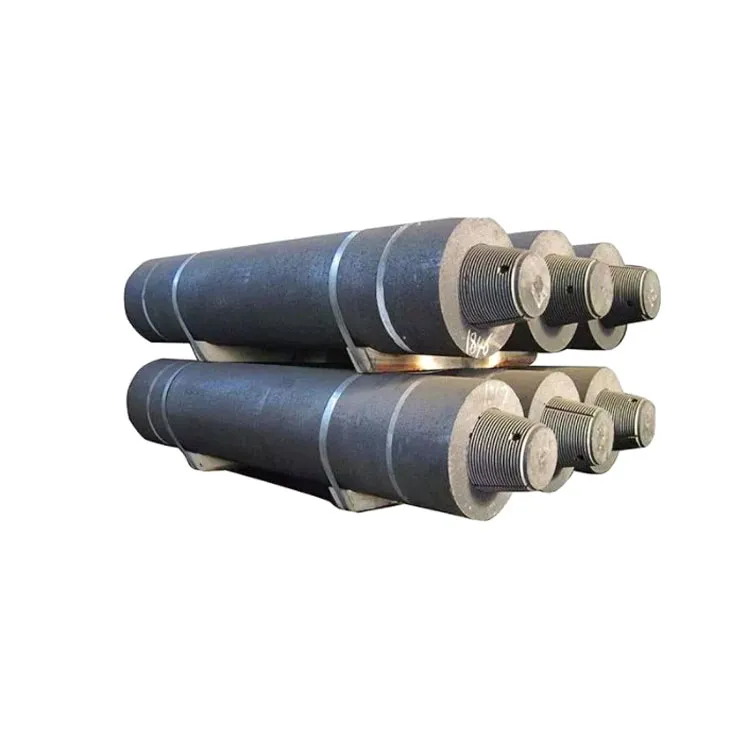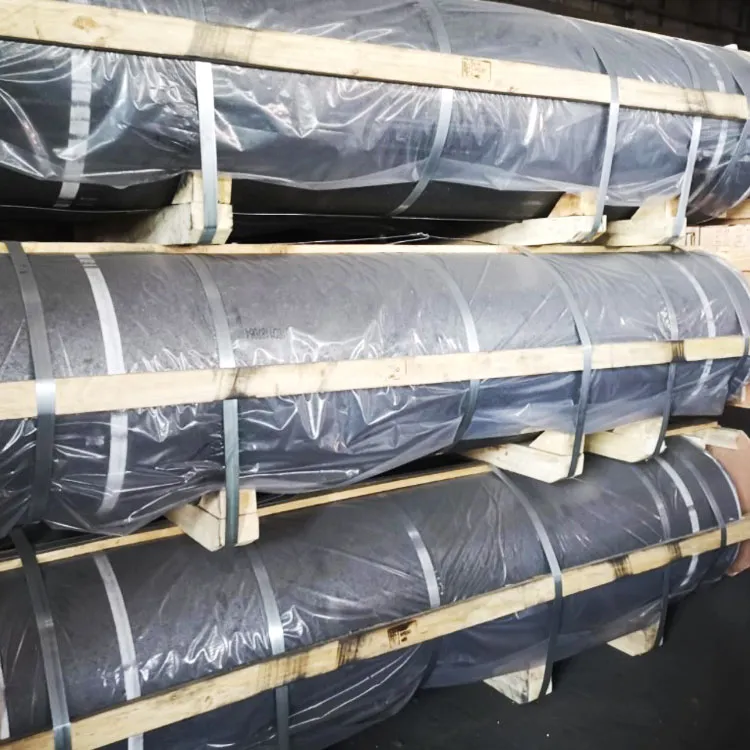
In the arc furnace steel recycling process, super - large diameter (500mm+) graphite electrodes play a crucial role. The size advantage of these electrodes significantly affects arc stability and heat conduction efficiency. Larger diameters provide a more stable arc due to the increased cross - sectional area, which allows for a more uniform distribution of current. This stability is essential for efficient melting of scrap steel in the arc furnace. Moreover, the enhanced heat conduction efficiency helps in better heat transfer to the steel, reducing energy consumption. For example, compared with electrodes of smaller diameters, super - large diameter electrodes can increase the heat transfer rate by about 20%.
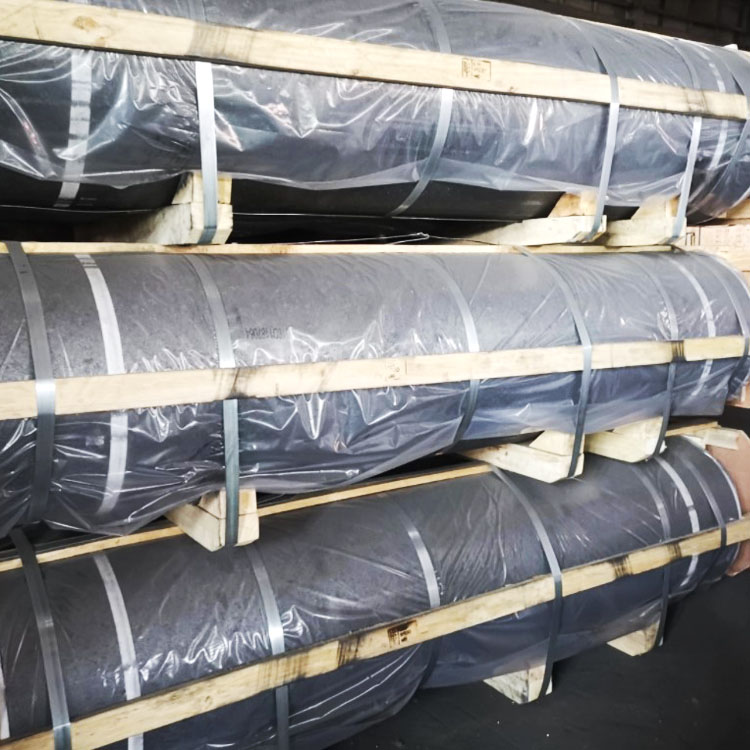
Proper installation of graphite electrodes is vital for ensuring a firm connection and high - efficiency conductivity. When installing, it is necessary to follow strict specifications. First, the contact surface between the electrode and the connector should be cleaned thoroughly to remove any impurities. Second, the tightening torque of the connector should be within the specified range. According to industry standards, the tightening torque for a 600mm diameter electrode should be around 2000 - 2500 Nm. Common installation errors, such as improper tightening or dirty contact surfaces, can lead to increased resistance, which may cause overheating and electrode breakage. As an expert pointed out, "A well - installed electrode is the foundation for stable operation in the arc furnace."
To ensure the long - term stable operation of graphite electrodes, a reasonable maintenance cycle should be set. A multi - dimensional evaluation system from visual inspection to infrared temperature measurement can be used. Visual inspection can detect obvious cracks or damages on the electrode surface. Infrared temperature measurement, on the other hand, can detect abnormal temperature rises inside the electrode, which may indicate potential problems. For example, if the temperature of a certain part of the electrode exceeds the normal range by more than 50°C, it is necessary to pay close attention. The maintenance cycle can be set according to the operating time of the arc furnace. Generally, for an arc furnace operating 24 hours a day, a visual inspection should be carried out every 10 days, and an infrared temperature measurement every 20 days.
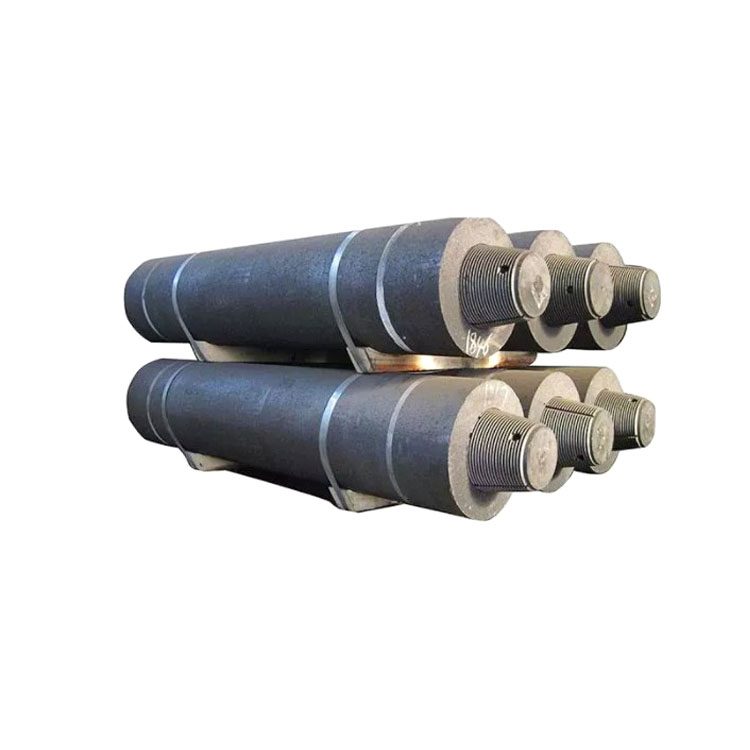
Determining the right time to replace graphite electrodes is crucial for reducing furnace shutdown time and improving production line continuity. When the electrode consumption reaches a certain level or there are serious damages that cannot be repaired, replacement is necessary. Quick connection skills can significantly reduce the time required for electrode replacement. For example, using pre - assembled connectors and efficient connection tools can reduce the replacement time by about 30%. This not only saves time but also reduces the impact on production.
A large steel mill has achieved remarkable results through scientific electrode management. By optimizing the installation, maintenance, and replacement processes of graphite electrodes, the mill has reduced the average annual electrode loss by 18%. This has not only lowered the operating cost but also improved the production efficiency. The mill's success provides a good example for other steel mills in the industry.
In conclusion, effective management of super - large diameter graphite electrodes is essential for the arc furnace steel recycling process. By understanding their working principles, following proper installation and maintenance procedures, and learning from successful industry cases, steel mills can achieve green and efficient smelting goals. Learn more about efficient electrode management solutions by visiting our technology zone.