Steel production efficiency hinges on consistent and uniform preheating of ladles—yet many plants still face issues like prolonged heating times, uneven temperature distribution, and excessive energy consumption. The root cause? Traditional insulation layers that are too thick and inefficient at retaining heat.
In conventional ladle designs, inner insulation layers often exceed 120 mm, absorbing up to 30% more thermal energy than necessary before reaching optimal operating temperatures (1400–1500°C). This not only extends preheating cycles by 15–25%, but also creates hot spots and cold zones across the shell—leading to premature refractory wear and safety risks.
| Parameter | Traditional Insulation | Sunrise蛭石保温板 |
|---|---|---|
| Thickness | 120–140 mm | 102–122 mm |
| Shell Temp (°C) | ≥500 | ≤450 |
| Heat Loss Reduction | ~15% | ~35% |
Sunrise’s patented layered insulation system replaces monolithic blocks with a multi-layer structure featuring high-density firebrick at the core and a lightweight, low-conductivity outer layer made from expanded vermiculite. This design reduces overall thickness by 10–18 mm while improving thermal uniformity by up to 40%. Field tests show that ladles reach target temperatures 20% faster and maintain stable internal conditions for longer periods—critical for continuous casting operations.
What makes this material stand out? It withstands continuous exposure to 1200°C without degradation, thanks to its alumina-enhanced formulation that resists chemical attack from molten steel residues and slag. Unlike generic insulators, Sunrise’s solution doesn’t compromise on durability or performance—even under harsh industrial conditions.
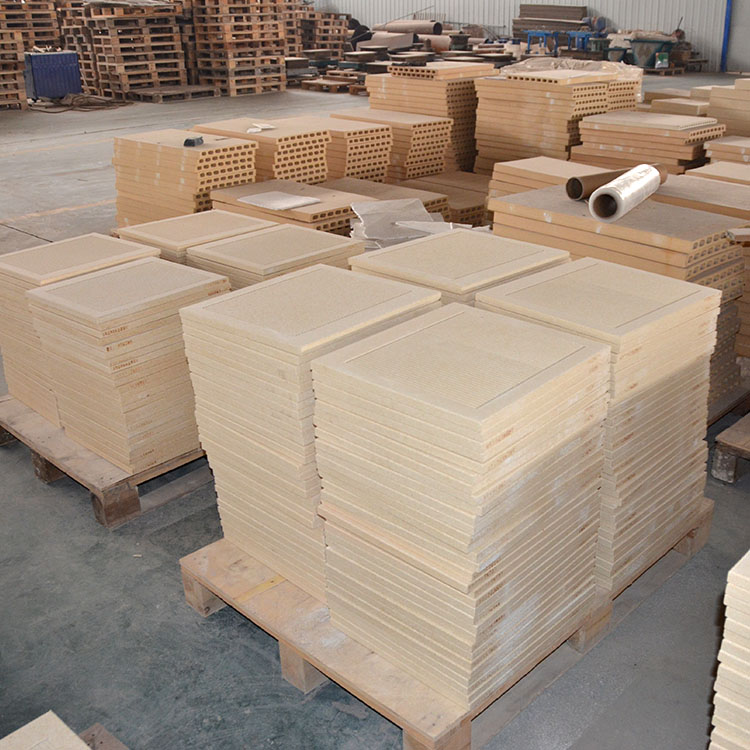
A major European steel producer replaced their existing insulation in 8 ladles with Sunrise’s vermiculite-based panels. Within one month:
These results weren't just about saving energy—they were about reducing downtime, improving worker safety, and enabling smoother production flow.
When integrating new insulation, consider adjusting your ramp-up curve:
These small tweaks, combined with superior materials, can make a big difference in both operational consistency and long-term cost control.
Ready to transform your ladle preheating process?
Explore Sunrise's High-Performance Refractory Solutions