How Steel Type Affects Electrode Performance: Thermal Conductivity vs. Oxidation Resistance in Arc Furnace Applications

30 01,2026
Sunrise
Application Tutorial
Understanding the impact of different steel types—such as stainless steel, alloy steel, and high-carbon steel—on graphite electrode performance is critical for optimizing electric arc furnace operations. This practical guide explores how thermal conductivity and oxidation resistance directly influence electrode consumption, safety, and efficiency. Based on real plant data and failure case studies, it provides a clear selection framework, field-tested evaluation methods, and actionable insights to ensure your electrodes match your steel grade—reducing downtime, preventing damage, and improving productivity.
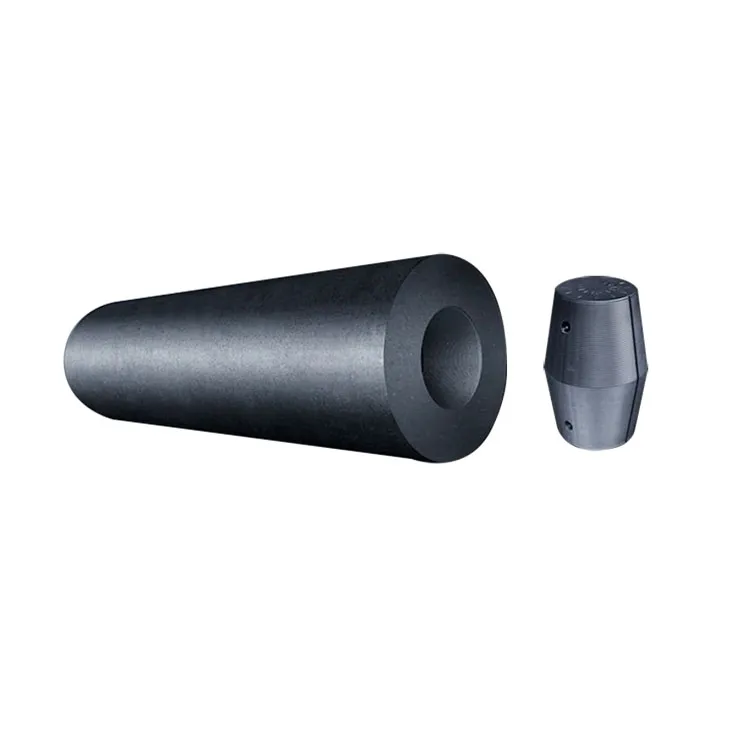
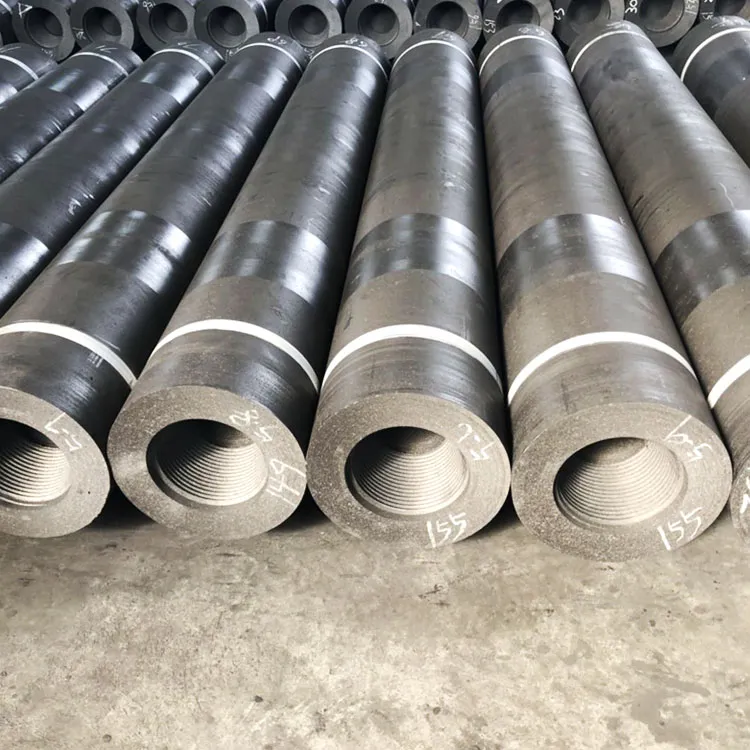
high-power-graphite-electrode-2.jpg

Why Your Steel Type Matters for Graphite Electrode Performance

You're not just choosing an electrode—you're selecting the right tool for a specific job. In arc furnace steelmaking, using the wrong graphite electrode can mean increased consumption, unexpected downtime, or even catastrophic failure.

The Hidden Factors Behind Electrode Failure

Let’s cut through the noise: it’s not just about power rating. Real-world data from mills shows that electrodes rated as “high power” may perform poorly in stainless steel melts due to differences in thermal conductivity and oxidation resistance—not because of poor quality, but mismatched application.

For example:

  • Stainless steel melts at 1,600–1,750°C with high oxygen activity—requiring electrodes with >25 W/m·K thermal conductivity to avoid localized overheating.
  • High-carbon steels (like 4140) generate intense slag reactions that accelerate oxidation. Using standard-grade electrodes here increases consumption by up to 30% per heat.

That’s why we recommend a structured approach—not guesswork.

Four Key Metrics That Define Electrode Suitability

Property Impact on Performance Ideal Range
Thermal Conductivity Controls heat distribution across the electrode tip 25–45 W/m·K (for HP/UHP)
Oxidation Resistance Prevents surface degradation under oxygen-rich conditions >95% mass retention after 2hr @ 1,200°C
Thermal Shock Resistance Handles rapid temperature changes without cracking >8 cycles at 1,000°C → ambient
Electrical Resistivity Affects energy efficiency and current density ≤15 μΩ·m

Real Case: What Happens When You Get It Wrong?

“We used regular power electrodes for high-carbon alloy steel. After three heats, one electrode cracked mid-melt. The resulting downtime cost over $28k in lost production and repair fees.” — Plant Manager, Midwest Steel Co.

This isn’t hypothetical—it happens every month in mills worldwide. But it doesn’t have to.

How to Match Electrodes to Steel Types Like a Pro

Here’s our proven decision tree:

  1. Identify your primary steel type (stainless, carbon, alloy, etc.)
  2. Check typical melt temp range and oxygen intensity
  3. Select electrode class based on conductivity & oxidation data
  4. Test with small batches first—track consumption vs. performance

And yes—you can do this on-site. We’ve developed a simple 3-step field test (temperature gradient + visual inspection + weight loss tracking) that takes under 30 minutes per batch.

Ready to optimize your electrode selection?

Download our free Steel-Specific Electrode Selection Guide—complete with flowcharts, real case studies, and a checklist for your next procurement review.

Get My Customized Electrode Plan
Name *
Email *
Message*

Recommended Products

Popular articles
Recommended Reading

Related Reading

Contact us
Contact us
https://shmuker.oss-accelerate.aliyuncs.com/tmp/temporary/60ec5bd7f8d5a86c84ef79f2/60ec5bdcf8d5a86c84ef7a9a/thumb-prev.png