

In the evolving landscape of steel manufacturing, the ultra high power (UHP) graphite electrodes have become pivotal components in electric arc furnace (EAF) operations. Driven by the global agenda toward green steel production and stringent energy efficiency standards like ISO 50001, optimizing electrode performance is no longer optional but a necessity. This article delves into the critical role of needle coke raw material in elevating the conductivity and thermal resilience of UHP graphite electrodes — propelling energy savings, reliability, and cost reductions in high-capacity EAF applications.
Needle coke is a premium carbonaceous raw material characterized by its highly crystalline, elongated microstructure. Unlike conventional petroleum coke, this unique morphology dramatically enhances the graphite electrode's electrical conductivity and thermal shock resistance. Studies report that electrodes synthesized from needle coke can achieve an electrical resistivity as low as 28 μΩ·cm, significantly outperforming standard electrode materials which average around 35-40 μΩ·cm.
The superior graphitic alignment in needle coke minimizes electron scattering, enabling rapid current flow and reducing Joule heating losses under ultra high power conditions (typically beyond 20,000 amps). Moreover, its microstructural integrity confers exceptional dimensional stability, protecting electrodes from cracking and degradation during repeated thermal cycles intrinsic to EAF steel recycling.
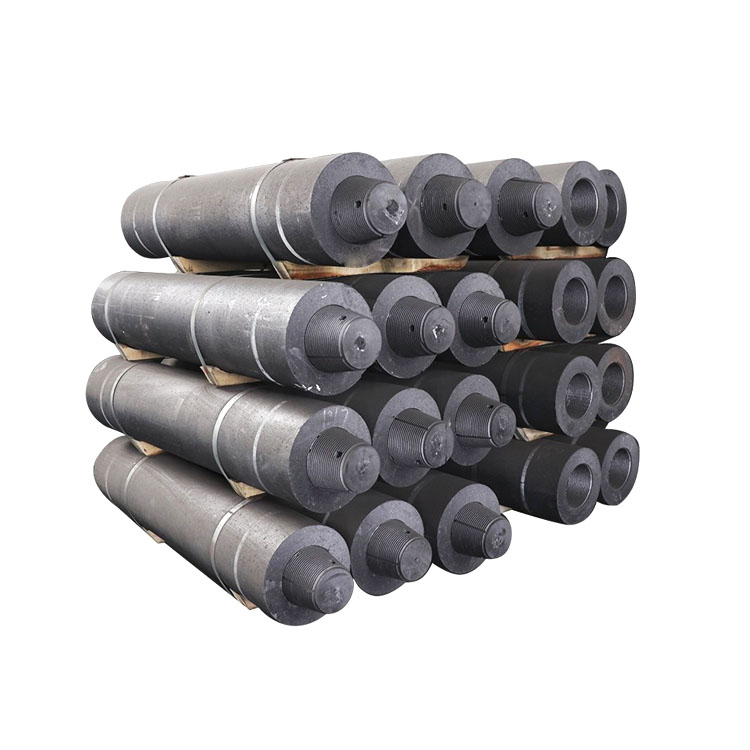
The demand for high reliability graphite electrodes correlates directly to the steel industry’s commitment to reduce specific energy consumption and carbon emissions. By deploying electrodes with enhanced conductivity and thermal stability, EAF operators report measurable improvements in energy utilization. For example, a leading steel producer implementing needle coke-based electrodes noted a 3.5% reduction in kWh per ton of steel melted, translating to substantial operational cost savings and lower greenhouse gas emissions.
This aligns with ongoing global initiatives driving the adoption of green steel technologies, further accelerating the market preference for electrodes that guarantee longevity and performance under increasingly demanding ultra high power conditions.
Traditional graphite electrodes made from ordinary coke often exhibit lower graphitization degrees, resulting in higher electrical resistivity and increased susceptibility to thermal shock. Under continuous EAF operation, this manifests as premature cracking, frequent replacements, and unplanned downtime.
In contrast, needle coke-based electrodes extend service life by an estimated 20-25% and sustain optimal performance at temperatures exceeding 3000°C without significant deterioration. This reliability not only reduces maintenance frequency but also improves furnace stability and melt uniformity, enhancing overall steel quality.
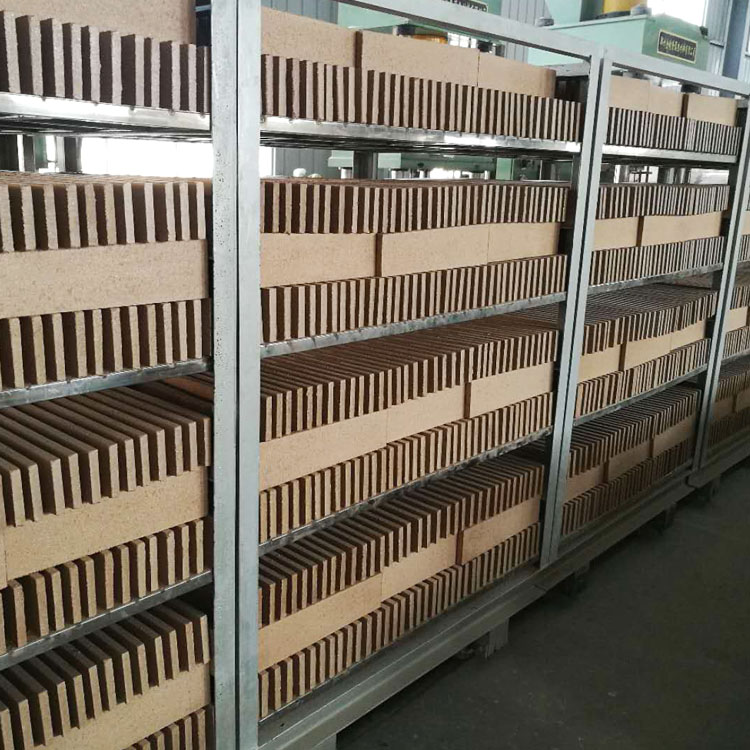
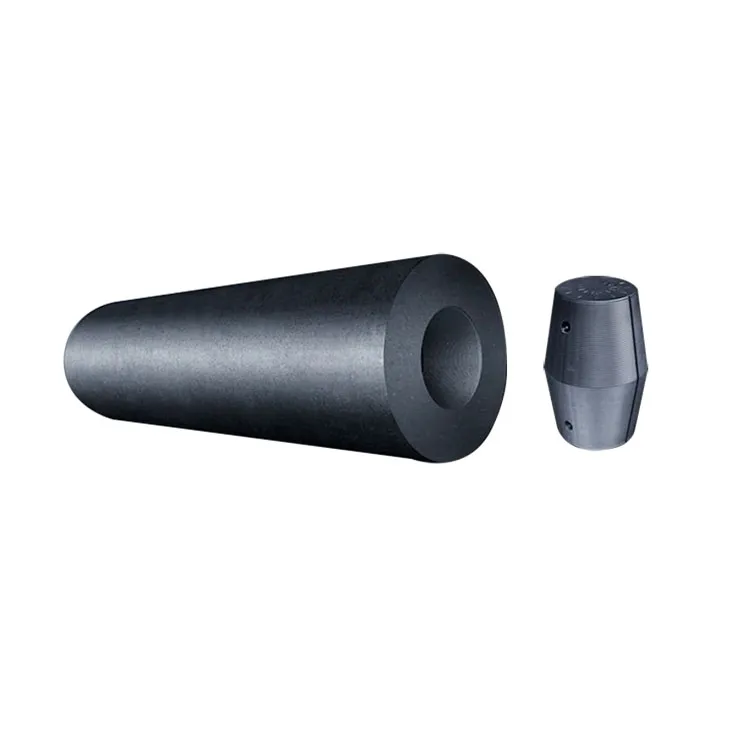
Beyond raw material selection, advanced precision machining techniques ensure that UHP electrodes achieve tight dimensional tolerances and optimized surface finishes. This reduces contact resistance in electrode joint assemblies, further improving electrical efficiency and minimizing thermal hotspots.
Rigorous quality control protocols during manufacturing enable consistent replication of these attributes, empowering steelmakers to trust their electrode supply with critical continuous casting and recycling processes.
Discover How Our Needle Coke-Based UHP Graphite Electrodes Can Transform Your EAF Efficiency


 <#else>


