In the rapidly evolving world of electric arc furnace (EAF) steelmaking, efficiency isn’t just a goal—it’s a competitive necessity. With rising energy costs and tightening environmental regulations, mills are turning to smarter material choices to reduce downtime, improve yield, and cut emissions. One often overlooked yet critical factor? The quality of needle coke used in graphite electrode production.
Recent field studies from integrated steel plants in Europe and East Asia show that switching to high-purity needle coke can boost electrode conductivity by up to 12% compared to conventional petcoke-based electrodes—translating into real-world savings of at least 15% in power consumption per ton of molten steel.
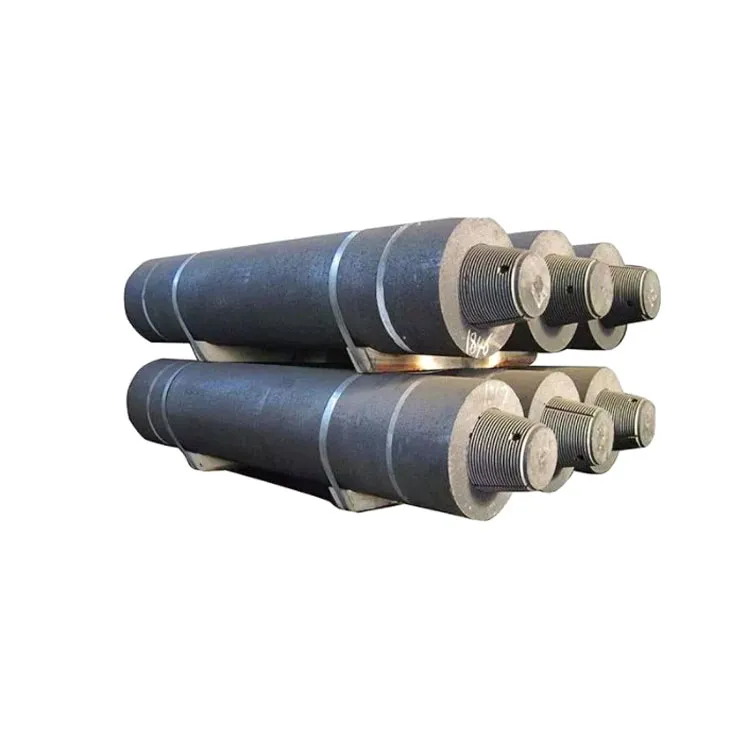
While many engineers focus on electrode diameter or brand reputation, the raw material—specifically needle coke—dictates thermal stability, electrical resistance, and mechanical integrity under extreme conditions. A poorly formulated electrode may seem cost-effective upfront but leads to frequent failures during tapping cycles, resulting in unplanned outages averaging $25,000–$50,000 per incident across mid-sized furnaces.
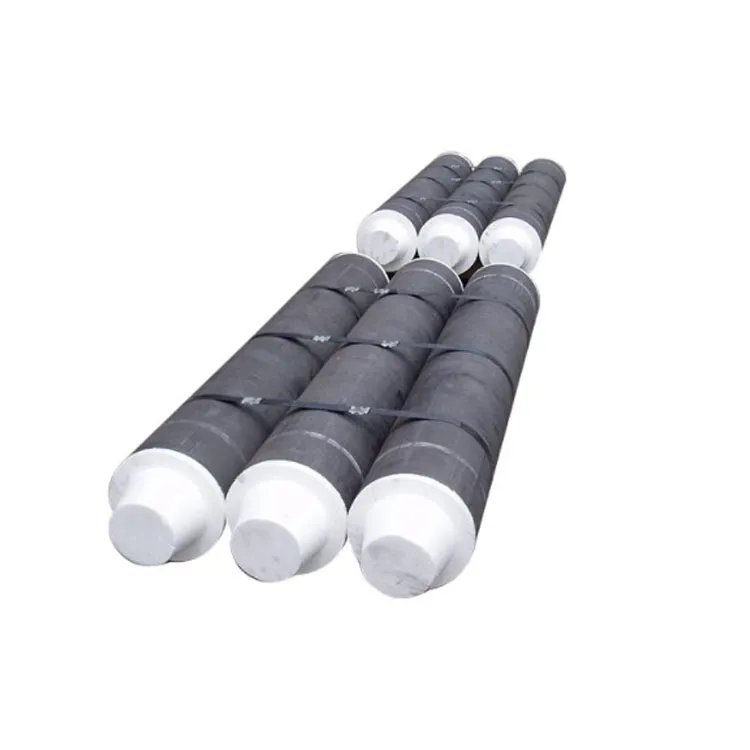
Needle coke offers superior crystalline alignment, which directly improves electron flow through the electrode body. This means less heat loss, fewer hot spots, and extended electrode life—especially crucial for ultra-high-power (UHP) applications where current densities exceed 25 A/cm².
A major German steel producer replaced their standard electrodes with needle coke-derived ones in Q3 2023. Within six months:
| Metric | Before | After |
|---|---|---|
| Energy Consumption (kWh/ton) | 580 | 493 |
| Electrode Consumption (kg/ton) | 1.7 | 1.2 |
| Downtime Incidents/Month | 4 | 1 |
This wasn't magic—it was smart sourcing. By working closely with suppliers who provide traceable needle coke specs (including isotropic vs. anisotropic ratios), the mill achieved consistent performance improvements without compromising safety or compliance.
Many buyers assume larger-diameter electrodes automatically mean better performance—but this is a dangerous myth. In fact, oversized electrodes can create uneven current distribution, leading to localized overheating and premature failure. The key lies in matching electrode grade (UHP, HP, or MP) with both process parameters and raw material quality.
Another common mistake? Ignoring moisture content in needle coke batches. Even 0.3% excess moisture can cause micro-cracking during baking, reducing structural strength by up to 18%. That’s why rigorous incoming inspection protocols matter more than ever.
To help operators make informed decisions, we’ve developed a simple yet effective Electrode Selection Checklist:
These steps aren’t just good practice—they’re essential for maintaining long-term operational excellence in today’s lean manufacturing environment.
Explore our technical guides and case studies tailored for global steel producers looking to reduce energy use and increase uptime. Let us help you turn raw materials into measurable results.
Download the Full Electrode Optimization Toolkit