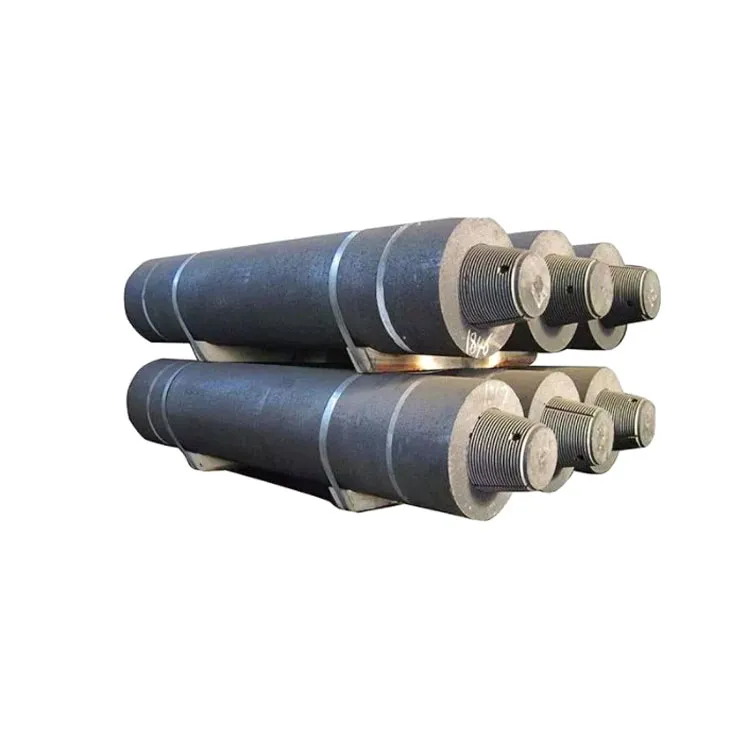
In the evolving landscape of electric arc furnace (EAF) steelmaking, raw material quality directly impacts process efficiency, energy consumption, and final product consistency. Among the most critical inputs—needle coke stands out as a game-changer for graphite electrodes used in ultra-high-power EAFs.
Needle coke’s unique fibrous microstructure allows for better alignment during graphitization, resulting in higher electrical conductivity and improved resistance to thermal shock. In contrast, standard petroleum coke often contains impurities like sulfur and ash that degrade performance under high-temperature cycling.
| Property | Standard Petroleum Coke Electrodes | Premium Needle Coke Electrodes |
|---|---|---|
| Electrical Conductivity (IACS%) | 78–82% | 90–94% |
| Thermal Shock Resistance (cycles @ 1000°C) | ~15 | ~35+ |
| Sulfur Content (ppm) | 300–500 ppm | < 50 ppm |
These differences aren’t just academic—they translate into real-world benefits: reduced downtime from electrode breakage, lower power consumption per ton of steel, and longer operational life for both electrodes and furnaces.
One leading European steel producer replaced their conventional electrodes with needle coke-based ones across two EAF units. Over six months, they recorded:
This case proves needle coke isn't just a technical upgrade—it's a strategic investment in operational resilience and sustainability.
As global regulations tighten around carbon emissions, steelmakers are turning to advanced materials like needle coke to meet green targets without sacrificing productivity. The future of EAF steel lies not only in electrification but also in smarter material selection.
Discover how our needle coke-derived graphite electrodes deliver measurable improvements in conductivity, durability, and cost-efficiency—backed by real data from global customers.
Explore Product Details & Technical Guides →