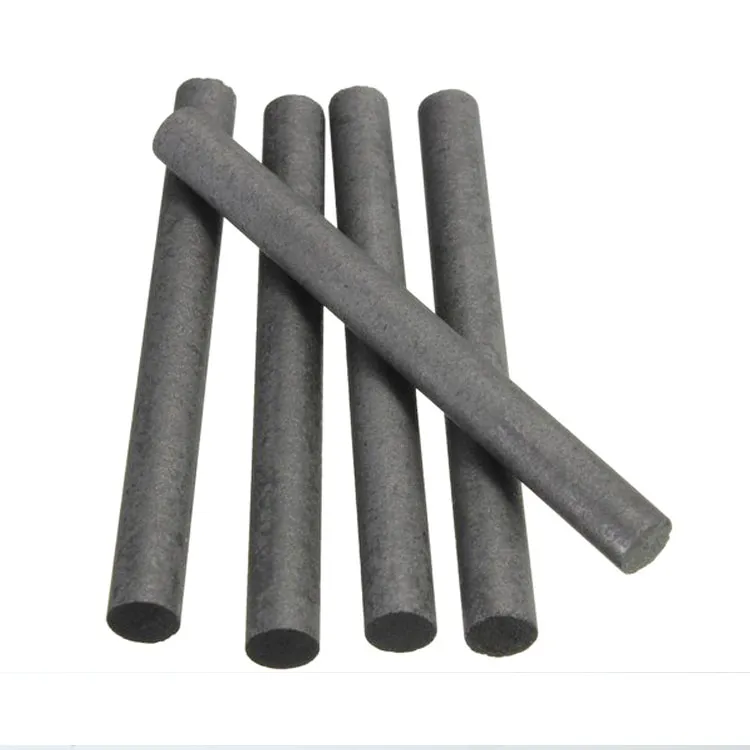
The operational efficiency of electric arc furnaces (EAF) critically depends on the performance of high-power graphite electrodes. Despite uniform usage conditions, electrode lifespans often vary significantly across steel plants. This discrepancy mainly arises from a combination of material characteristics, manufacturing precision, furnace dynamics, and maintenance practices. This article delves into six core factors impacting the durability of graphite electrodes, supported by empirical data and case insights, and offers actionable maintenance strategies to help foundries and metallurgical technicians improve electrode utilization and optimize production costs.
One of the foundational determinants of electrode longevity is the quality of the carbonaceous material. Domestic petroleum coke combined with imported needle coke in a tailored blend elevates the graphite structure's density and electrical conductivity. Analyses show that electrodes produced using a controlled 60-40% blend (needle coke vs. petroleum coke) exhibit up to 15% lower electrical resistance and a 20% improvement in thermal shock resistance compared to electrodes made from petroleum coke alone. The blend optimizes pore structure and enhances mechanical strength, directly correlating with reduced consumption rates.
Consistent and uniform baking temperature is paramount. Research indicates that electrodes baked with temperature deviations below ±5°C contain homogeneous carbon bonding, raising the graphitization degree by approximately 10%. This improved graphitization effectively decreases porosity from an average of 15% to around 9%, minimizing sites vulnerable to thermal erosion. Furnace trials have demonstrated a lifespan extension averaging 25% when such stringent process controls are applied.
Electric arc furnace environments are dynamic. Thermal cycling frequency exceeding 30 cycles per melt batch escalates electrode erosion rates by 12-18%. Uneven current density distribution also contributes to localized hot spots, accelerating wear. Quantitative analysis reveals that maintaining a current density uniformity within ±8% reduces uneven consumption by nearly 20%, thus enhancing electrode integrity over runs.
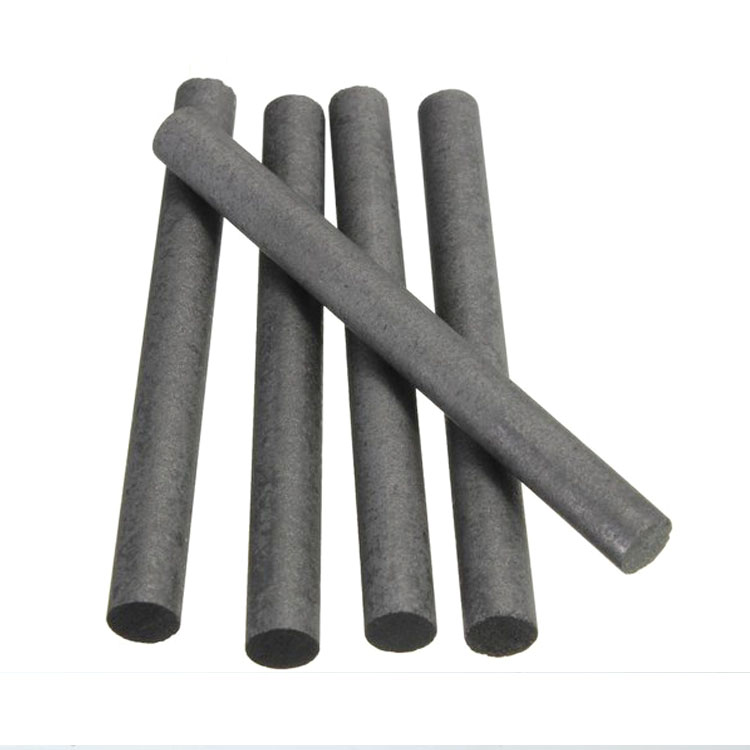
The human factor plays a significant role in electrode durability. Skilled maintenance teams applying standardized protocols reduce breakage incidents by as much as 30%. Variations in handling, such as improper tightening of electrode joints or delayed detection of cracks, lead to premature failures typically characterized by mechanical fracture or thermal spalling. Training and experience directly translate to safer operating windows and extended electrode service life.
Preventive maintenance anchored in operational data has demonstrated tangible benefits. We recommend:
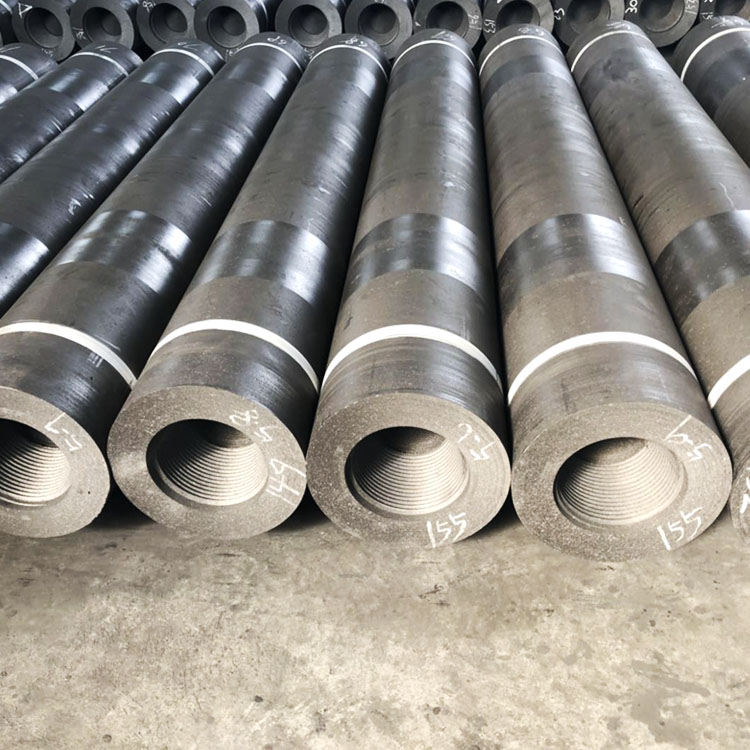
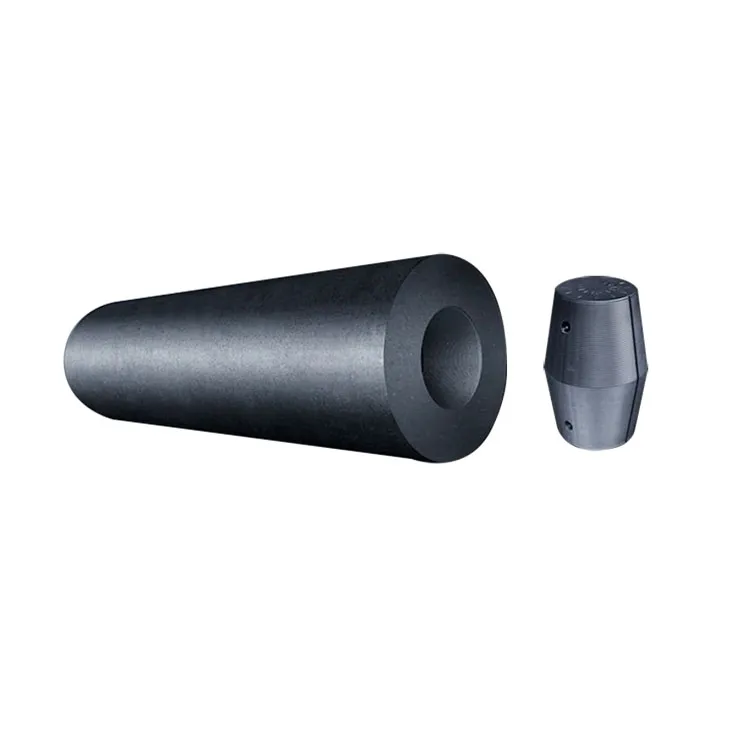
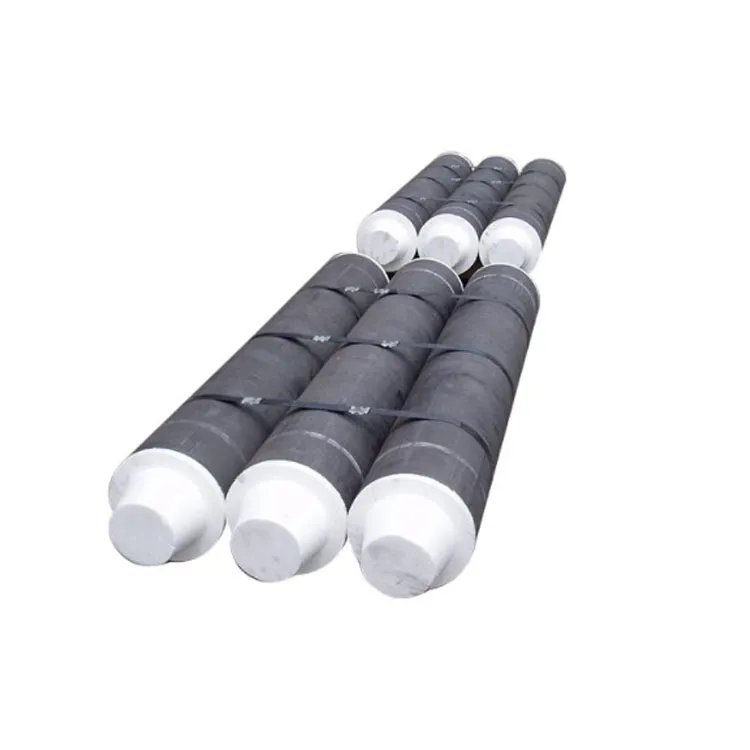
No one-size-fits-all approach exists for graphite electrodes. Matching electrode dimensions, density, and grade to the specific furnace model and steel type substantially improves performance. Our studies show that aligning electrode diameter and grade to smelting carbon content and melt duration can cut electrode consumption rates by up to 18%. Customized product solutions also allow for enhanced compatibility with automation systems and monitoring devices.
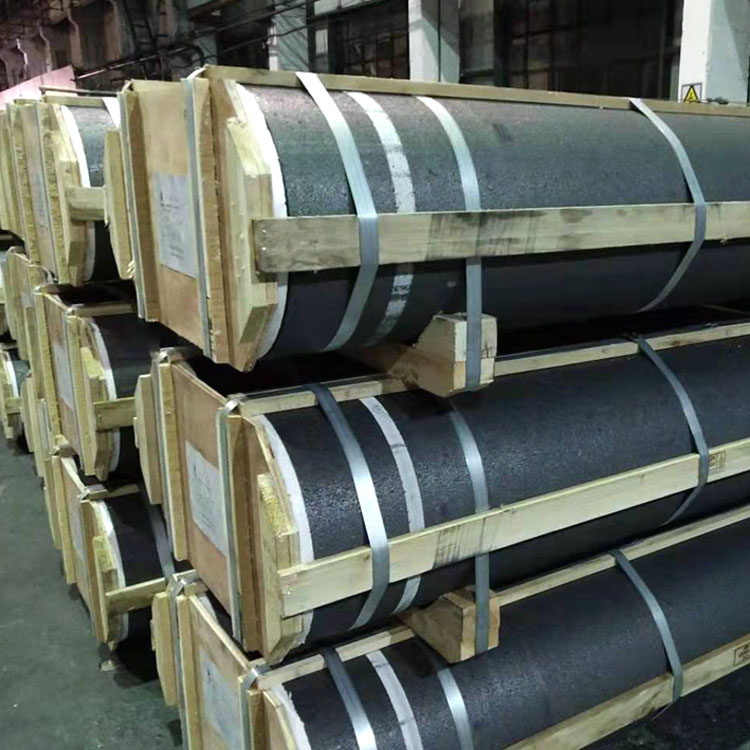
Industry Insight: As per the International Graphite Electrode Association, maintaining porosity below 10% alongside tight baking tolerance is the singularly most effective method to enhance electrode lifespan and operational stability in EAF operations.