How to Match High Power Graphite Electrodes for Stainless Steel Smelting: Key Parameters & Selection Guide
12 03,2026
Technical knowledge
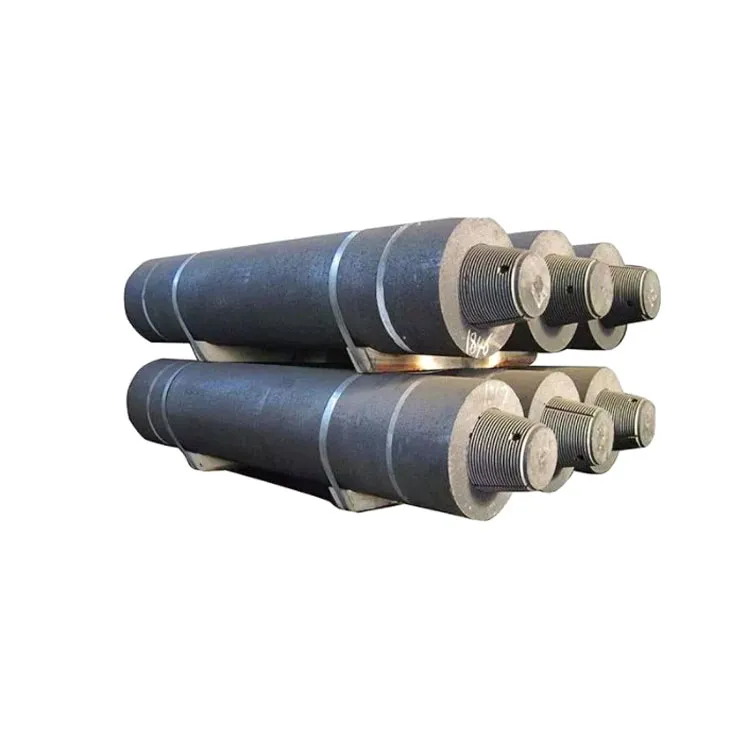
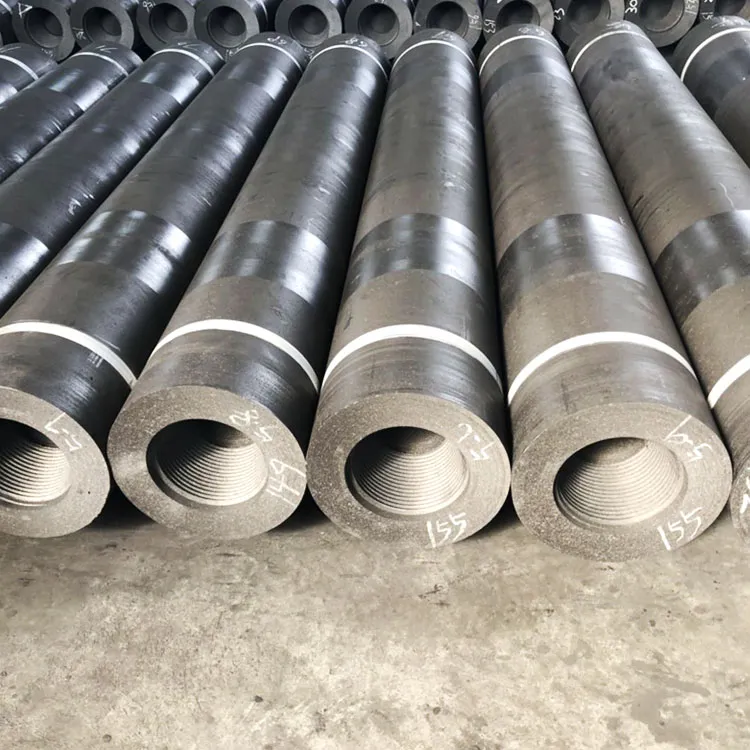
This article systematically elaborates on the key matching principles of high power graphite electrodes in stainless steel and other steel smelting scenarios. It deeply analyzes performance parameters such as thermal conductivity, oxidation resistance, thermal shock resistance, and electrical resistivity. Combined with actual working conditions like smelting temperature, slag composition, and oxygen blowing intensity, it helps steel mill customers make scientific selections. Through real misuse cases and technical evaluation processes, it guides users to avoid common selection mistakes, improve electrode usage efficiency and smelting safety, and助力精准技术决策和生产优化. Sunrise graphite electrodes are designed to excel in these critical applications, ensuring reliable performance under demanding stainless steel production environments.

High-Power Graphite Electrodes in Stainless Steel Smelting: Performance Parameters and Selection Guide
In the realm of modern steelmaking, particularly for high-grade stainless steel and alloy steel production, the selection of appropriate graphite electrodes directly impacts smelting efficiency, product quality, and operational costs. Steel plants worldwide face the challenge of matching electrode performance with specific smelting conditions—a decision that can reduce electrode consumption by up to 15% when executed correctly, according to industry research.
Critical Performance Parameters for Smelting Scenarios
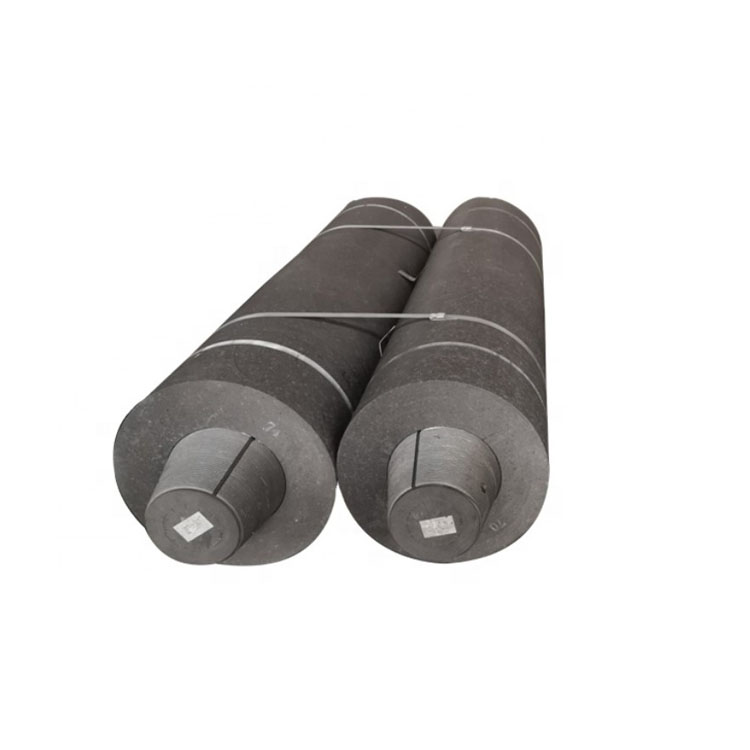
Four key parameters determine graphite electrode suitability for stainless steel smelting environments, where temperatures often exceed 1,600°C and chemical reactions are highly aggressive:
- Thermal Conductivity: Optimal values range from 120-180 W/m·K for stainless steel smelting, ensuring efficient heat transfer and reducing thermal stress
- Oxidation Resistance: Electrodes with density >1.78 g/cm³ typically exhibit 20-30% better oxidation resistance in oxygen-rich environments
- Thermal Shock Resistance: Measured by the coefficient of thermal expansion (CTE), values below 1.8×10⁻⁶/°C minimize cracking during temperature fluctuations
- Electrical Resistivity: Lower resistivity (≤8.5 μΩ·m) reduces energy consumption by 5-8% compared to standard electrodes
Matching Electrodes to Smelting Conditions
Stainless steel production presents unique challenges due to higher melting points (1,400-1,530°C depending on grade) and specific slag compositions. The interaction between electrode properties and three operational factors is critical:
Melting Temperature
For 304 stainless steel (1,450°C), electrodes with higher thermal conductivity (140-160 W/m·K) perform best, while 316L (1,400°C) benefits from enhanced oxidation resistance.
Slag Composition
Basic slags (CaO/SiO₂ >1) require electrodes with higher density (>1.80 g/cm³) to resist erosion, whereas acidic slags demand better thermal shock resistance.
Oxygen Blowing Intensity
High-intensity oxygen blowing (>60 Nm³/h) increases oxidation rates, necessitating electrodes with specialized coating technologies to reduce consumption.
Case Study: The Cost of Improper Selection
Real-World Consequence: A 300,000 Ton/Year Stainless Steel Plant
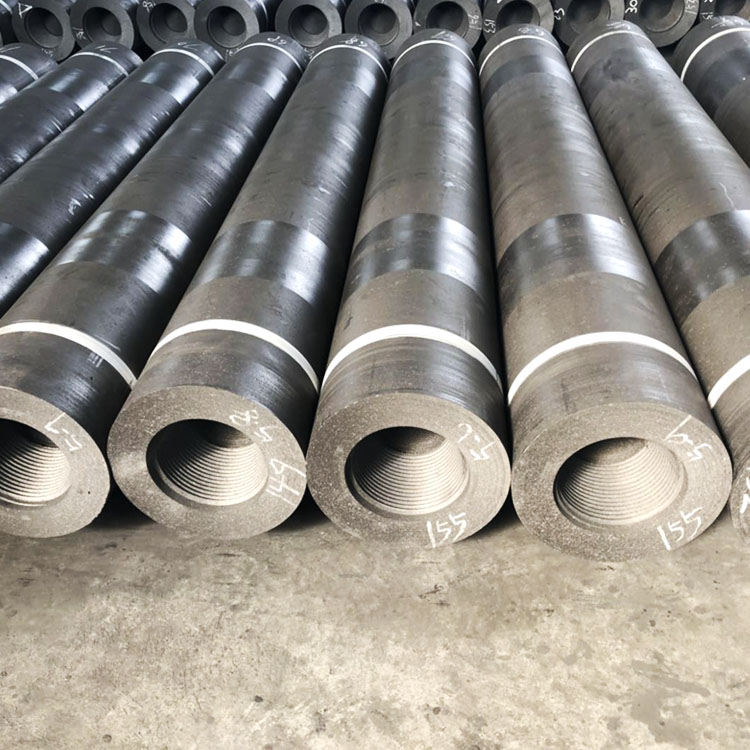
A European stainless steel producer recently experienced a 32% increase in electrode consumption after switching to a lower-cost graphite electrode. The root cause analysis revealed:
- Insufficient oxidation resistance caused 15% higher tip consumption during oxygen lancing
- Poor thermal shock resistance led to 8 unscheduled shutdowns due to electrode breakage
- Suboptimal resistivity increased energy costs by €120,000 annually
After implementing a Sunrise high-power electrode matched to their 316L production parameters, the plant reduced consumption by 22% and eliminated unplanned downtime.
Scientific Selection Process
Establishing a structured electrode selection process involves four key steps that ensure alignment with specific smelting requirements:
- Define operating parameters: Document maximum temperature, average current density, oxygen flow rates, and slag composition
- Conduct material testing: Evaluate candidate electrodes under simulated conditions using thermal shock and oxidation resistance tests
- Perform cost-benefit analysis: Consider not just purchase price but lifetime consumption, energy efficiency, and maintenance costs
- Implement pilot testing: Run controlled trials with selected electrodes to validate performance before full-scale adoption
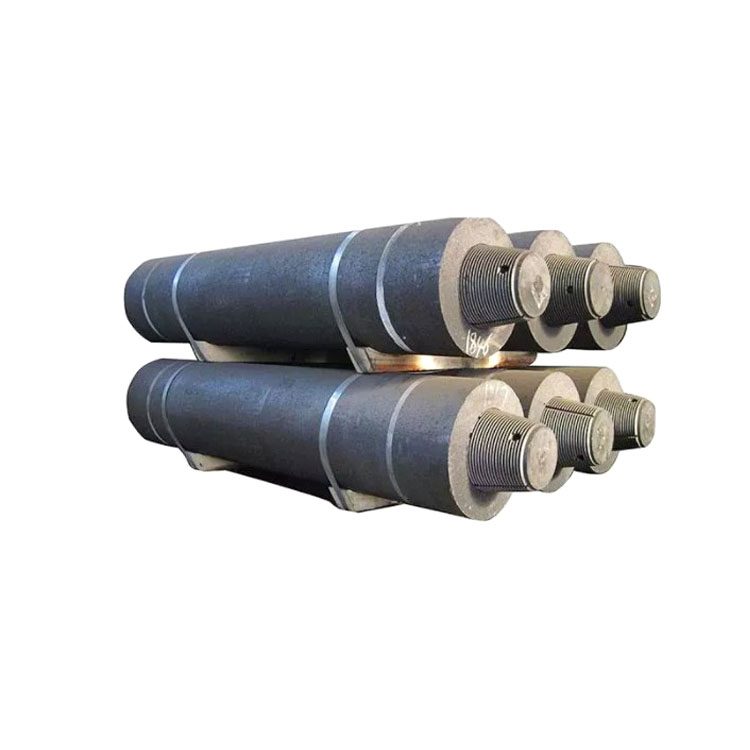
For stainless steel producers aiming to optimize their electrode performance, understanding these technical relationships is essential. The right electrode selection balances multiple variables to achieve the perfect harmony between material properties and operational demands.
Optimize Your Stainless Steel Smelting Efficiency
Our team of metallurgical engineers can conduct a free electrode performance assessment for your specific smelting conditions
Get Your Custom Electrode Recommendation
Each stainless steel grade and smelting process presents unique challenges that demand specialized solutions. By focusing on the critical parameters and selection methodologies outlined here, steel producers can make informed decisions that enhance productivity, reduce costs, and improve overall operational efficiency.