

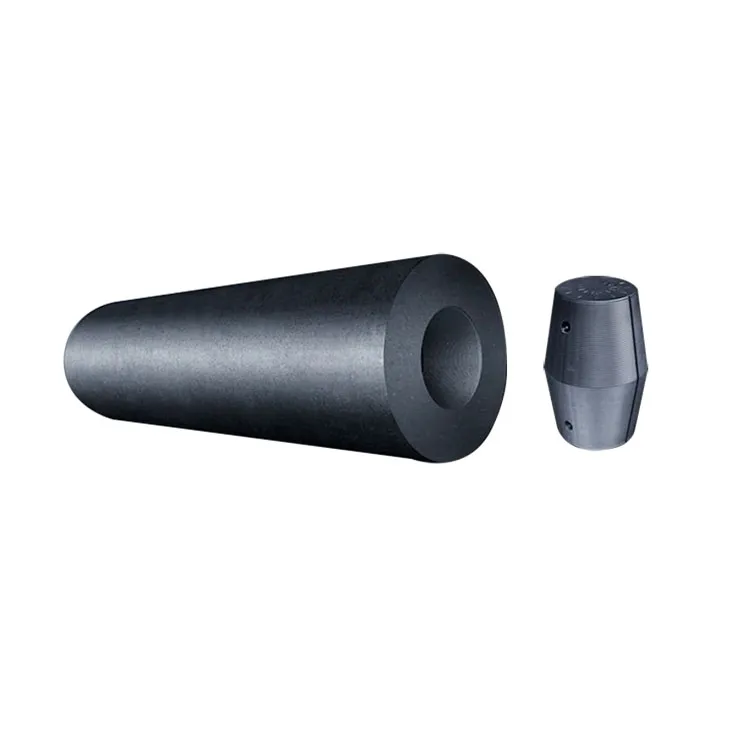
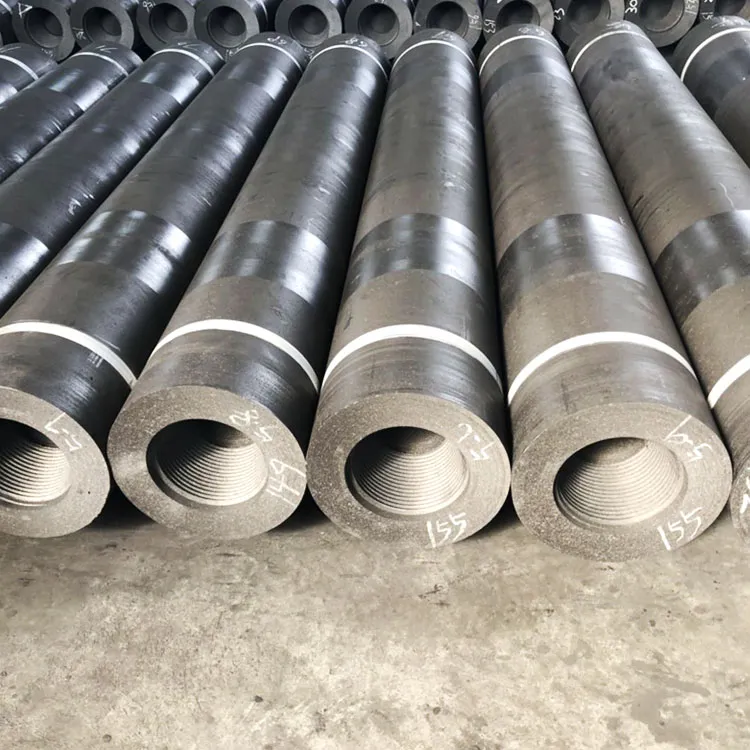
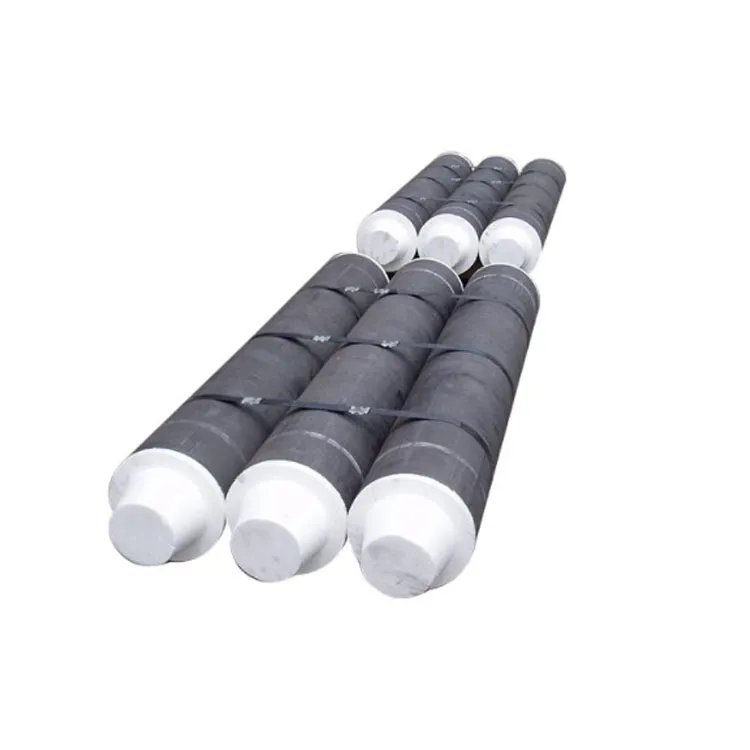
In the global push toward green steel production, electric arc furnaces (EAFs) are rapidly replacing traditional blast furnaces—especially in regions like Europe, North America, and East Asia. At the heart of this transformation lies a critical component: high-power graphite electrodes. These aren’t just consumables—they’re performance drivers that directly impact energy efficiency, operational uptime, and long-term cost savings.
Our ultra-high power graphite electrodes start with premium needle coke—typically 98%+ carbon purity—from certified suppliers in China, Japan, and South Korea. This raw material ensures minimal impurities and consistent thermal conductivity. During manufacturing, precision machining maintains tolerances within ±0.1mm, which significantly reduces electrical resistance at connections—a key factor in minimizing heat loss.
Real-world impact: A leading European steel mill reported a 7–9% drop in kWh/tonne after switching to our electrodes, translating to over $150K annual savings per 100,000 tons of scrap processed.
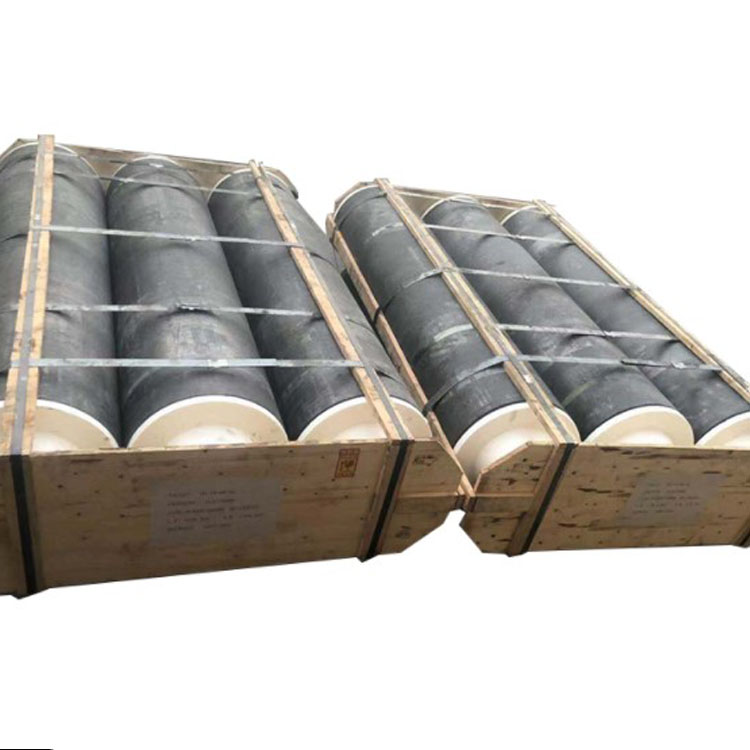
With stricter carbon emission regulations (e.g., EU CBAM, U.S. Inflation Reduction Act), steel producers must reduce their carbon footprint or face trade barriers. Our electrodes support this shift by enabling cleaner, more efficient melting processes. For example, one Middle Eastern client achieved a 12% reduction in CO₂ emissions per ton of steel produced—without compromising yield.
“We switched from standard-grade electrodes to your high-power version—and saw immediate improvements in furnace stability and electrode life. It’s not just about saving energy—it’s about building trust in our supply chain.”
— Ahmed El-Sayed, Procurement Manager, Al-Ahli Steel Group, UAE
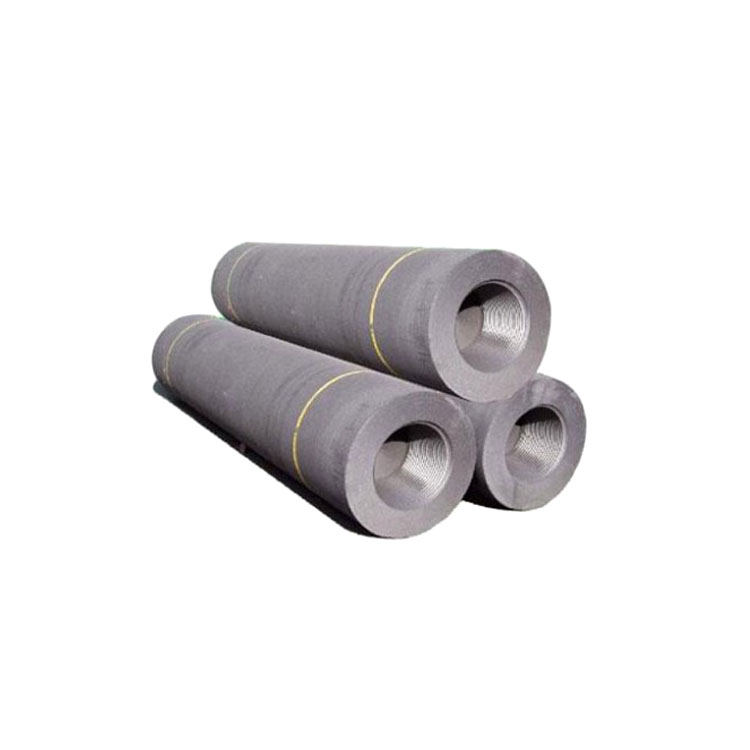
We recommend a phased approach:
This model has helped clients reduce downtime by up to 22% and extend electrode life by an average of 18%, according to internal case studies from 2023–2024.
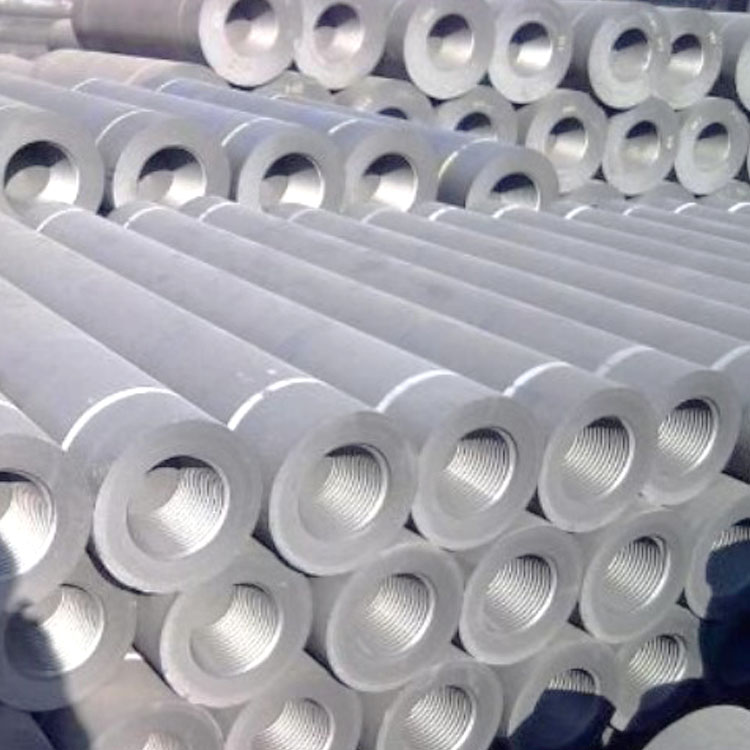
Discover how our high-power graphite electrodes can help your factory achieve greener, smarter operations.
Explore Product Details →





 <#else>


