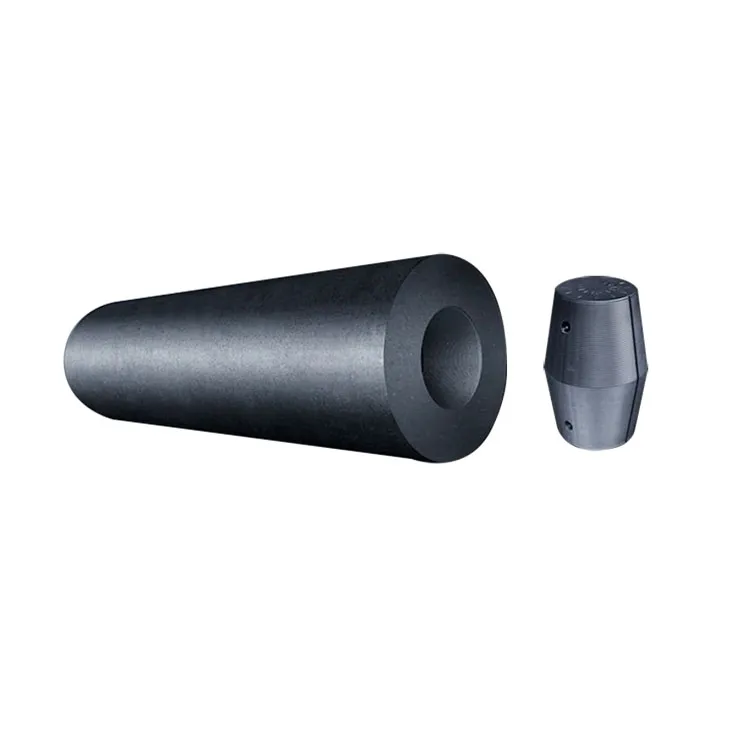
As global steelmakers face rising energy costs and stricter environmental regulations—like the EU’s Carbon Border Adjustment Mechanism (CBAM)—the choice of graphite electrodes is no longer just a technical detail. It’s a strategic lever for efficiency, sustainability, and profitability.
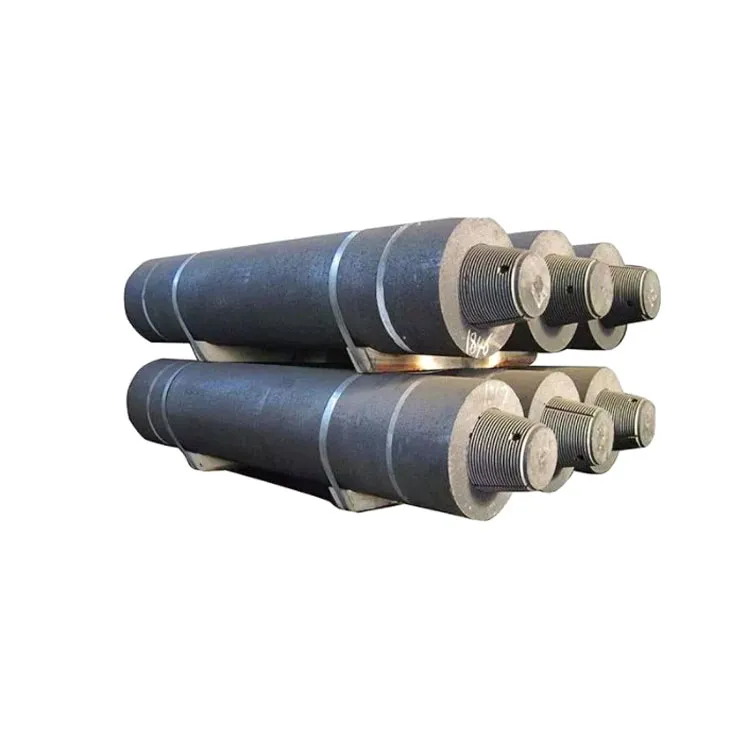
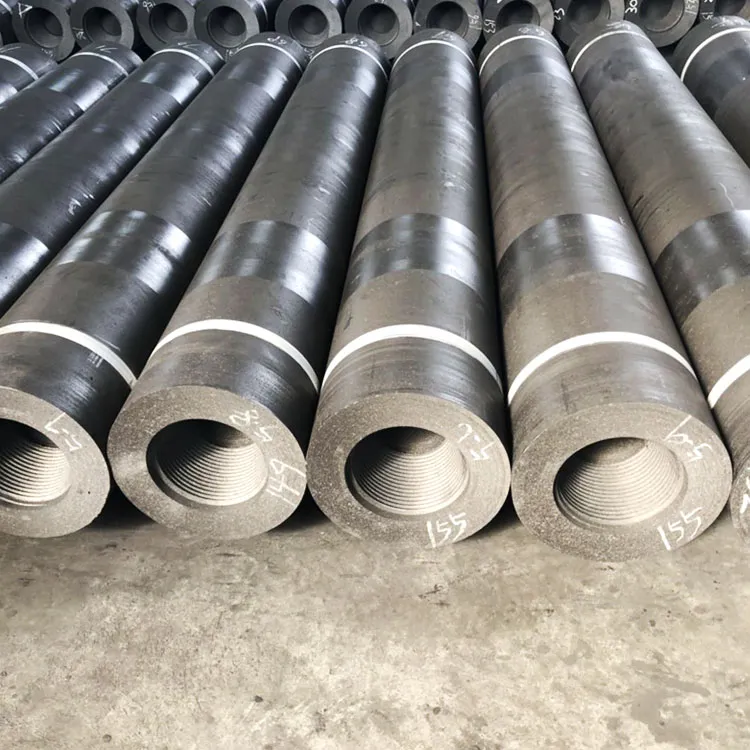
Our high-power graphite electrodes, made from premium needle coke with a purity level exceeding 99.5%, deliver consistent conductivity of ≥1800 S/cm and superior thermal shock resistance. These properties directly translate to reduced power consumption per ton of steel, lower electrode wear rates, and fewer production interruptions in large-capacity electric arc furnaces (EAFs).
“The transition to high-power electrodes is not optional—it’s essential for meeting 2030 decarbonization targets.” — International Energy Agency (IEA), 2023 Report on Low-Carbon Steel Production
The key lies in raw material quality. Needle coke with low sulfur content (<0.5%) and controlled grain structure enables uniform density and minimal porosity in the final electrode. This results in:
| Performance Metric | Standard Grade | Our High-Power Grade |
|---|---|---|
| Conductivity (S/cm) | 1500–1700 | ≥1800 |
| Thermal Shock Resistance | 300°C/min | ≥450°C/min |
| Electrode Life (hours/ton) | 120–140 | ≥160 |
These improvements aren’t theoretical—they’re validated by real-world installations. For example, a German steel plant using our electrodes in their 150-ton EAF saw a 12% drop in kWh/ton over six months, saving over €200k annually while reducing CO₂ emissions by ~1,200 tons/year.
For procurement managers, this means better ROI through extended electrode life and less downtime. For engineers, it means more predictable performance under extreme thermal cycling conditions common in modern EAF operations.
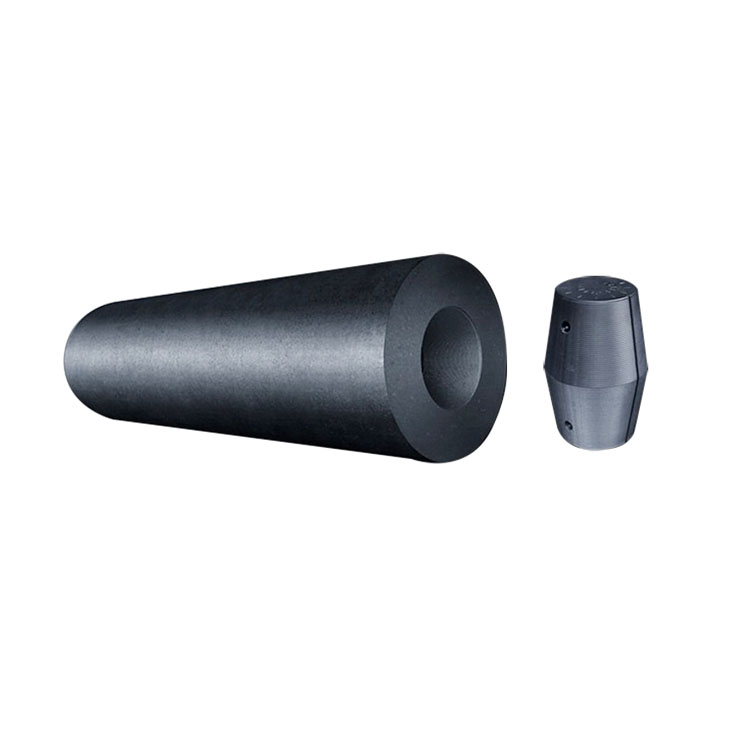
As the global steel industry shifts toward circular economy models, especially in regions like Europe and North America, selecting the right electrode isn't just about cost—it's about future-proofing your operations.
If you're evaluating suppliers or optimizing existing EAF setups, understanding how material composition drives real-world outcomes is critical. Whether you're sourcing for a new mill or upgrading an aging one, choosing electrodes engineered for high power and durability makes a measurable difference.
Get our free Customized Electrode Selection Guide tailored to your furnace capacity, scrap mix, and energy goals.
Download Now →