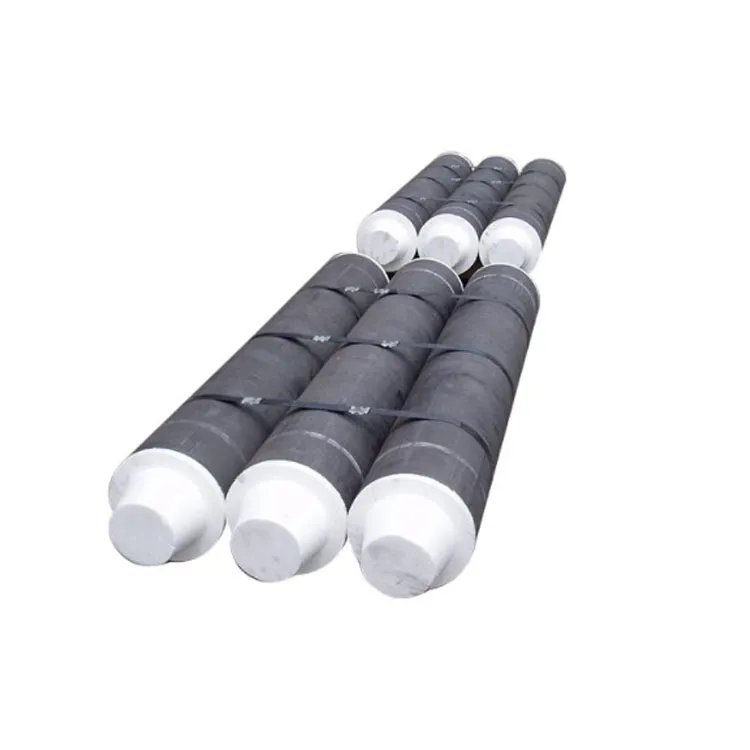
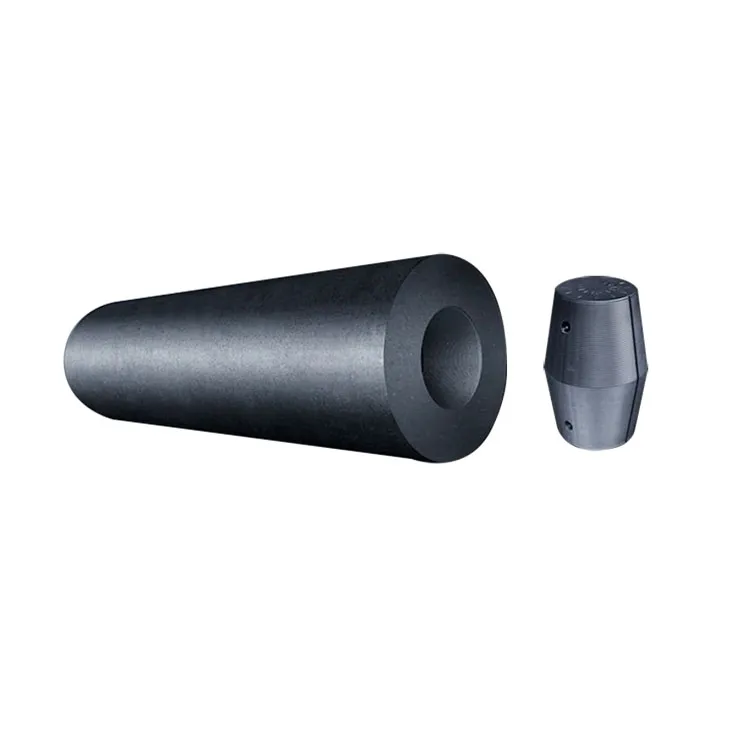
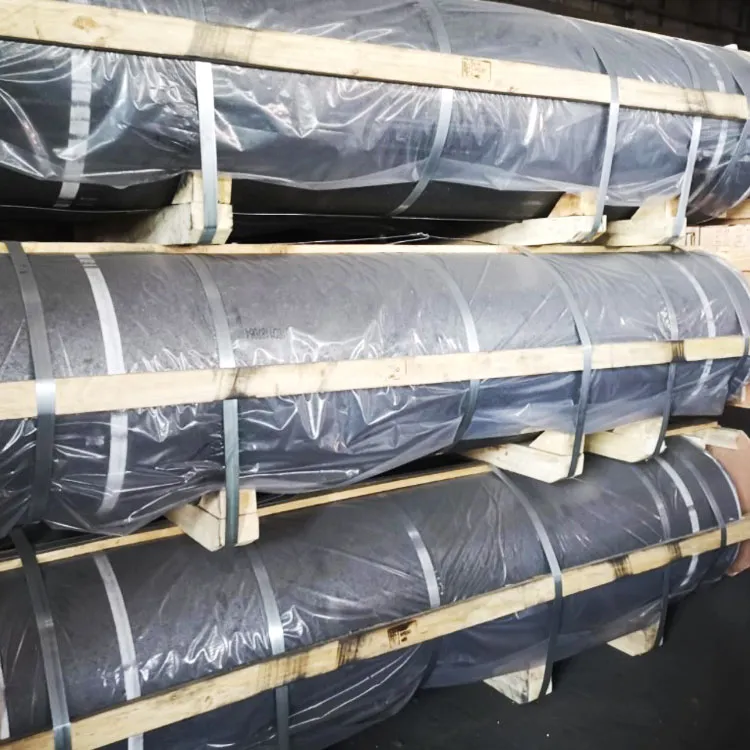
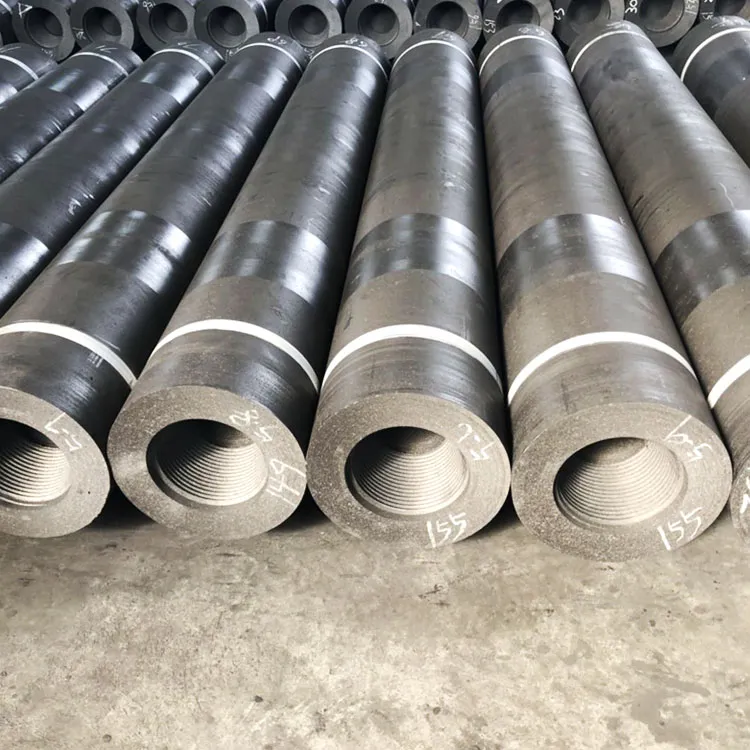
How to Match High-Power Graphite Electrodes with Stainless Steel Melting Scenarios: Key Parameters & Selection Guide
29 01,2026
Technical knowledge
This article explores the optimal selection of high-power graphite electrodes for stainless steel melting in electric arc furnaces (EAFs). It systematically analyzes critical performance parameters—thermal conductivity, oxidation resistance, thermal shock resistance, and electrical resistivity—and their alignment with operational conditions such as melting temperature, slag composition, and oxygen blowing intensity. Real-world case studies from steel plants provide data-backed insights into electrode behavior under varying furnace environments. A structured selection process, supported by practical testing methods, ensures accurate electrode matching and improved efficiency. Common misapplications and associated production risks are also discussed to enhance decision-making. The content is designed for technical and managerial audiences seeking reliable, actionable guidance on electrode optimization in stainless steel EAF operations.

How to Match High-Power Graphite Electrodes with Stainless Steel Melting Scenarios: A Technical Guide
In electric arc furnace (EAF) steelmaking, especially for stainless steel production, selecting the right high-power graphite electrode isn’t just a technical detail—it’s a strategic decision that impacts efficiency, quality, and cost control. With global EAF capacity rising by over 12% annually in the past five years (source: World Steel Association), understanding how to match electrode performance with specific melting conditions is more critical than ever.
Key Performance Parameters That Matter
Not all graphite electrodes are created equal. For stainless steel applications—where temperatures often exceed 1,600°C and slag chemistry can be highly corrosive—the following parameters must guide your selection:
- Thermal Conductivity: Higher values (>150 W/m·K) reduce thermal gradients across the electrode, minimizing cracking risk. In one case study from a Chinese stainless steel plant, switching from 120 W/m·K to 160 W/m·K reduced electrode breakage by 40%.
- Oxidation Resistance: At 1,400–1,600°C, oxidation rates increase exponentially. Electrodes treated with boron nitride coatings show up to 30% longer life in oxygen-rich environments like those found in stainless steel smelting.
- Thermal Shock Resistance: Crucial when rapid heating/cooling cycles occur. Electrodes with low coefficient of thermal expansion (<1.5 × 10⁻⁶/K) maintain structural integrity under intense thermal stress.
- Electrical Resistivity: Lower resistivity (≤15 μΩ·m) minimizes energy loss. A 10% improvement here can translate into ~2% reduction in power consumption per ton of steel produced.
Real-World Application: Why One Plant Lost $150k in 3 Months
A European stainless steel mill initially used standard high-power electrodes in their EAF for 316L grades. Despite having adequate current capacity, they experienced frequent electrode failures due to poor resistance to alkaline slags common in chromium-rich melts. After analyzing failure patterns and conducting on-site tests, they switched to an advanced-grade electrode with enhanced anti-corrosion coating. Within two months, electrode lifespan increased by 55%, and rework rates dropped significantly.
This example underscores a key truth: matching electrode specs to actual process conditions—not just generic “high-power” labels—is essential for operational success.
Pro Tip: Use This Simple Selection Flowchart
- Determine target steel grade (e.g., 304 vs. 316)
- Measure average melt temperature and duration
- Assess slag composition (especially Na₂O, K₂O, CaO content)
- Check blowing intensity (oxygen injection rate)
- Select electrode type based on above factors using manufacturer data sheets or consult technical support
Avoid Common Mistakes That Cost You Time and Money
Many mills make these errors:
- Using general-purpose electrodes for specialty steels — leads to premature wear and inconsistent quality.
- Ignoring electrode diameter consistency — even minor variations cause uneven current distribution and hot spots.
- Failing to test new electrodes before full-scale deployment — risking unplanned downtime and safety hazards.
By implementing a structured evaluation process—including lab testing, pilot runs, and continuous monitoring—you’ll avoid costly missteps and build long-term confidence in your supply chain.
Ready to Optimize Your Electrode Strategy?
Let our engineering team help you select the ideal high-power graphite electrode tailored to your stainless steel melting process—no guesswork, just proven results.
Get Customized Electrode Recommendations Now