High-Power Graphite Electrode Selection Guide: Performance Requirements and Matching for Different Steel Grades
04 01,2026
Technical knowledge
When refining high-demand steel grades such as stainless steel and alloy steel in electric arc furnaces, how can you scientifically select high-power graphite electrodes? This article provides an in-depth analysis of key parameters including thermal conductivity, oxidation resistance, thermal shock resistance, and electrical resistivity, highlighting their alignment with specific steel melting conditions. Real-world misapplication examples—like using conventional electrodes for high-carbon steel resulting in power interruptions—are presented to illustrate risks. A practical selection flowchart and simple on-site testing methods are also provided, enabling precise decision-making to avoid resource waste and production downtime. This guide is tailored for technical managers, procurement engineers, and metallurgical process specialists.

Mastering High-Power Graphite Electrode Selection: Tailoring Solutions for Steel Types in Arc Furnace Applications
In modern arc furnace melting, particularly for stainless steel, alloy steel, and other demanding grades, selecting the correct high-power graphite electrode is critical to ensure operational efficiency, minimize downtime, and reduce costs. This guide empowers metallurgical engineers, procurement specialists, and technical managers to make data-driven decisions by analyzing core electrode parameters, real-world pitfalls, and a proven assessment framework.
The Critical Role of High-Power Graphite Electrodes
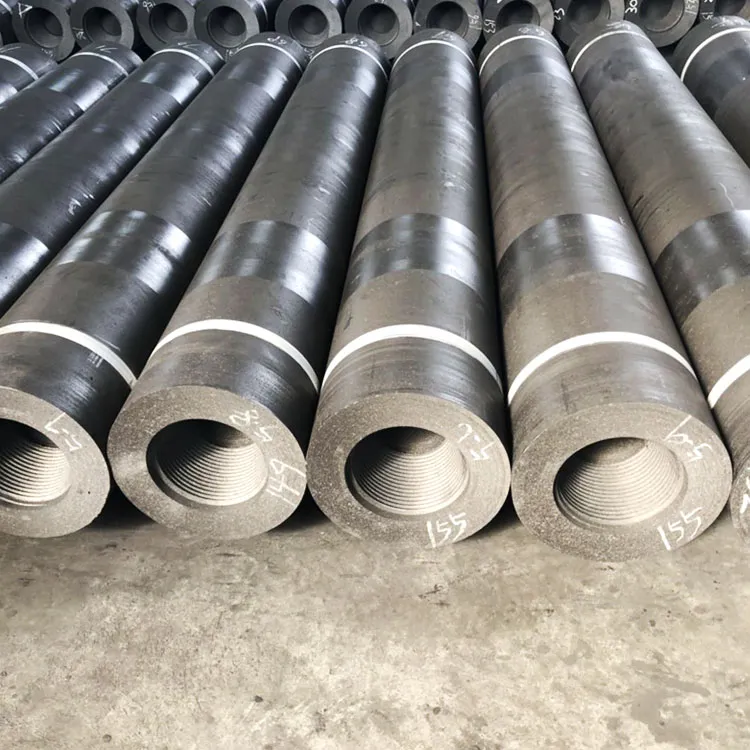
Unlike regular electrodes, high-power graphite electrodes exhibit enhanced thermal stability, electrical conductivity, and oxidation resistance, making them indispensable when operating under high-current, rapid cycling, and aggressive chemical environments typical of stainless and alloy steel melting.
Key advantages include:
- Excellent resistance to thermal shock, reducing fracture risk during rapid heating and cooling
- Lower electrical resistivity, optimizing energy consumption by minimizing voltage drop
- Superior oxidation resistance, prolonging electrode lifespan in oxygen-enriched environments
Steel Type-Specific Electrode Demands
Different steel grades impose unique demands on graphite electrodes:
| Steel Type |
Electrode Performance Requirements |
Operational Challenges |
| Stainless Steel |
High thermal stability, low electrical resistivity, strong oxidation resistance |
High melting temps (~1600°C+), oxygen-rich atmosphere accelerates oxidation |
| Alloy Steel |
Enhanced heat shock resistance, consistent conductivity |
Frequent power surges, varying slag compositions |
| Non-Ferrous Metals |
Moderate thermal shock tolerance, corrosion resistance |
Lower melting temps, chemical interaction with slag |
Four Core Technical Parameters Explained
Understanding these four parameters is essential when matching electrodes to steel melting conditions:
- Thermal Conductivity: High conductivity ensures rapid heat dissipation, reducing localized overheating. Typical values range between 60-120 W/m·K for high-power electrodes.
- Oxidation Resistance: Electrodes facing oxygen-enriched atmospheres must resist oxidation to prevent premature consumption. Oxidation rates below 3 mg/cm²·h at 600°C indicate excellent resistance.
- Thermal Shock Resistance: The ability to withstand sudden temperature changes without cracking, often indicated by mechanical shock tests (e.g., ≥200 cycles at 300°C differential).
- Electrical Resistivity: Lower resistivity (below 10 µΩ·m) improves energy efficiency by reducing voltage loss and heat generation within the electrode.
Matching Electrode Parameters to Real-World Furnace Conditions
A holistic approach considers furnace temperature profiles, oxygen blowing intensity, and slag chemistry. For example, stainless steel furnaces operating above 1600°C with 70% oxygen blowing require electrodes with top-tier oxidation resistance and thermal shock performance to avoid failures.
Consequences of Electrode Mismatch: Real Case Insights
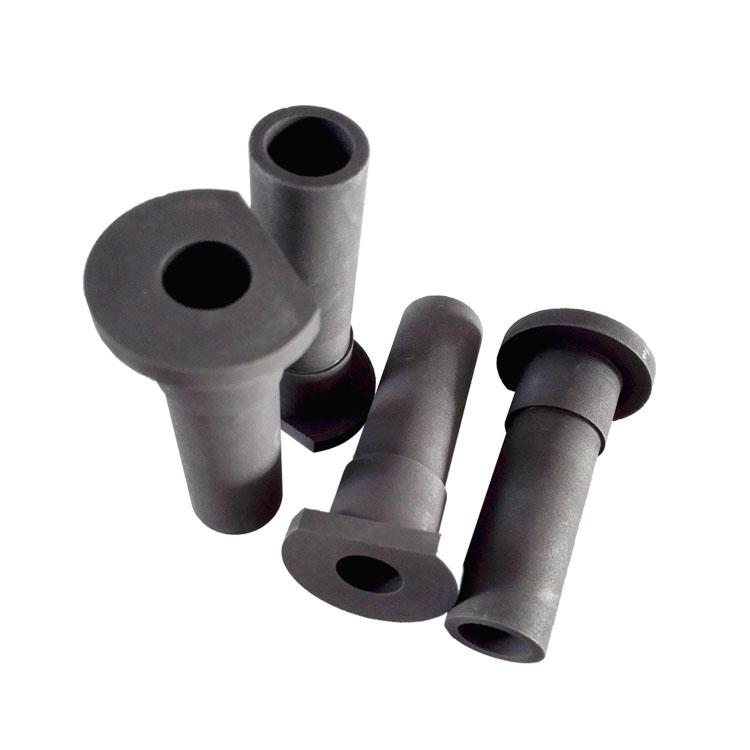
A leading steelmaker experienced repeated arc interruptions and emergency shutdowns due to using standard electrodes for high-carbon steel melting. The electrodes suffered rapid oxidation, fracturing after only 20% of expected usage life. This led to production delays exceeding 72 hours and significant economic losses.
Such scenarios underscore why electrode selection cannot be treated as a commodity decision. The cost of inappropriate electrodes often dwarfs initial savings.
Implementing a Practical Electrode Selection Workflow
To avoid costly mismatches, follow a step-by-step screening process:
- Step 1: Define steel grade and melting temperature requirements
- Step 2: Analyze furnace operation parameters — blowing oxygen content, temperature cycles, and slag composition
- Step 3: Evaluate candidate electrodes via key parameter data sheets
- Step 4: Conduct basic onsite quality checks — visual inspection for cracks, resistance measurement, and thermal cycle simulation
- Step 5: Select the electrode with optimal balance of conductivity, oxidation resistance, and durability tailored for your furnace conditions
Value of Customized Electrode Solutions
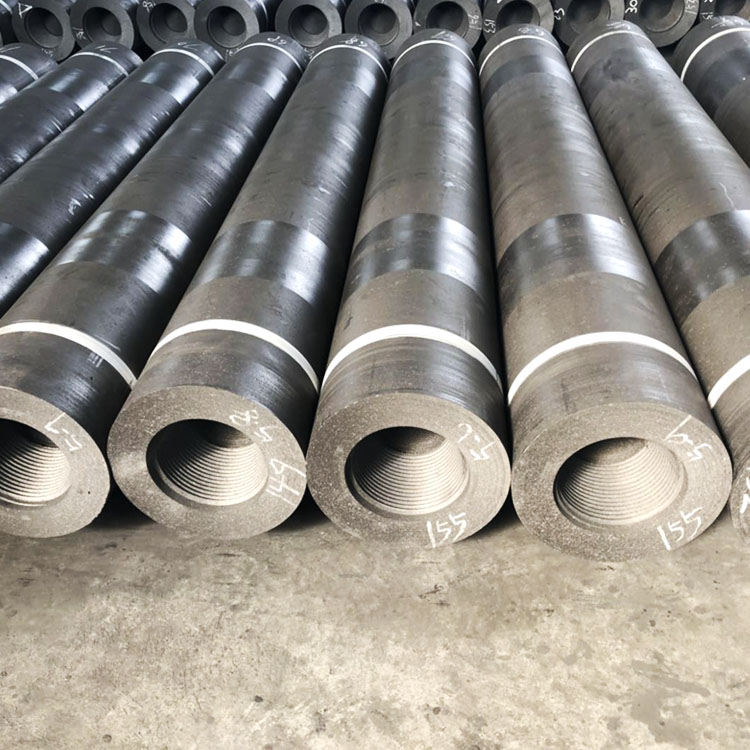
Off-the-shelf electrodes can’t capture the complexity of diverse melting demands. We recommend consulting suppliers who provide bespoke electrode design based on:
- Precise chemical composition of your steel batch
- Detailed furnace power and oxygen blowing profiles
- Historical electrode performance and wear data
Such collaboration enhances electrode life by up to 30%, reduces energy costs by 5-10%, and significantly cuts downtime risks.