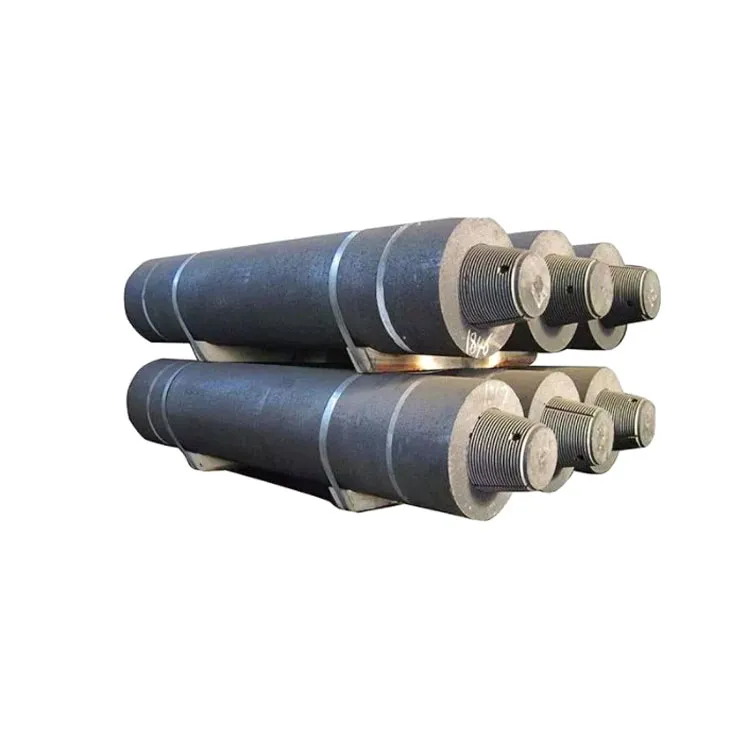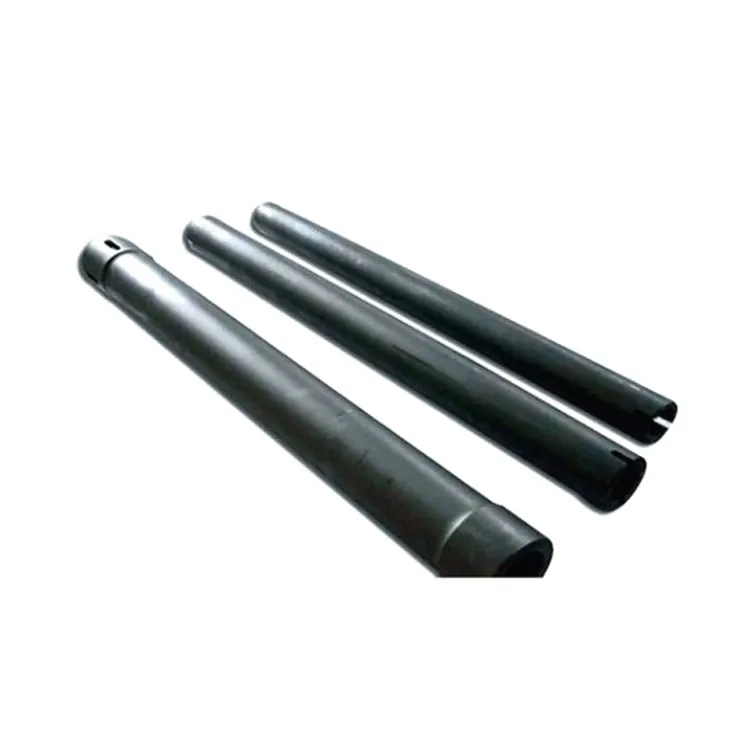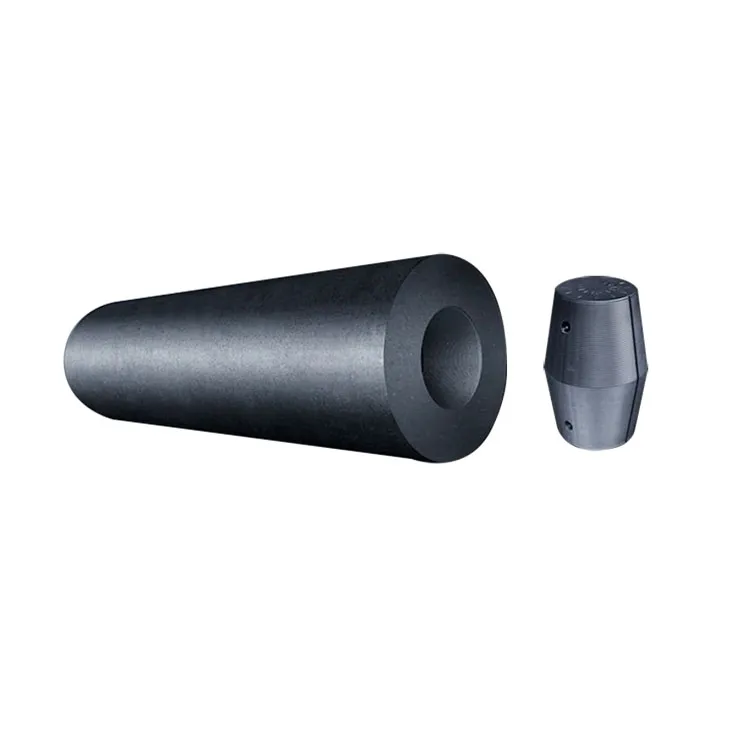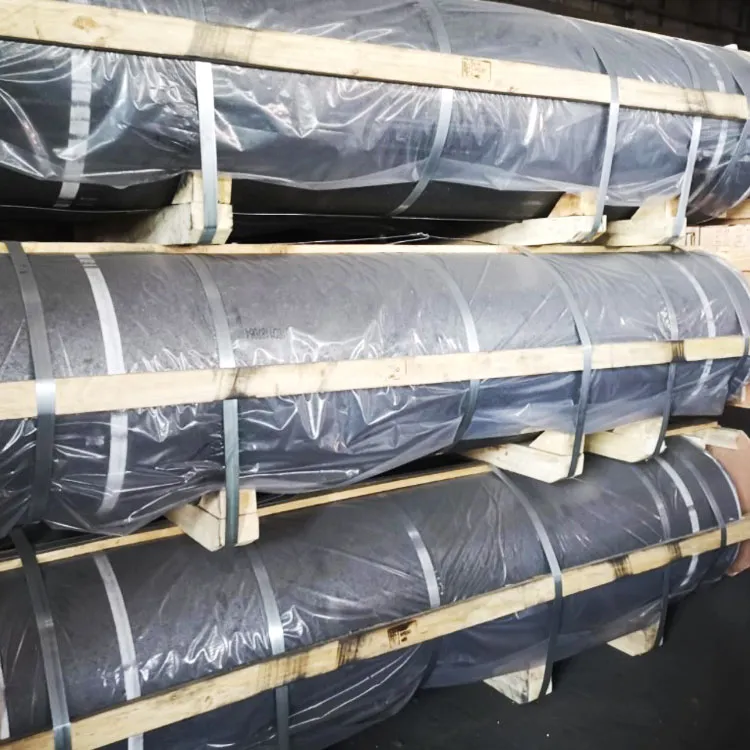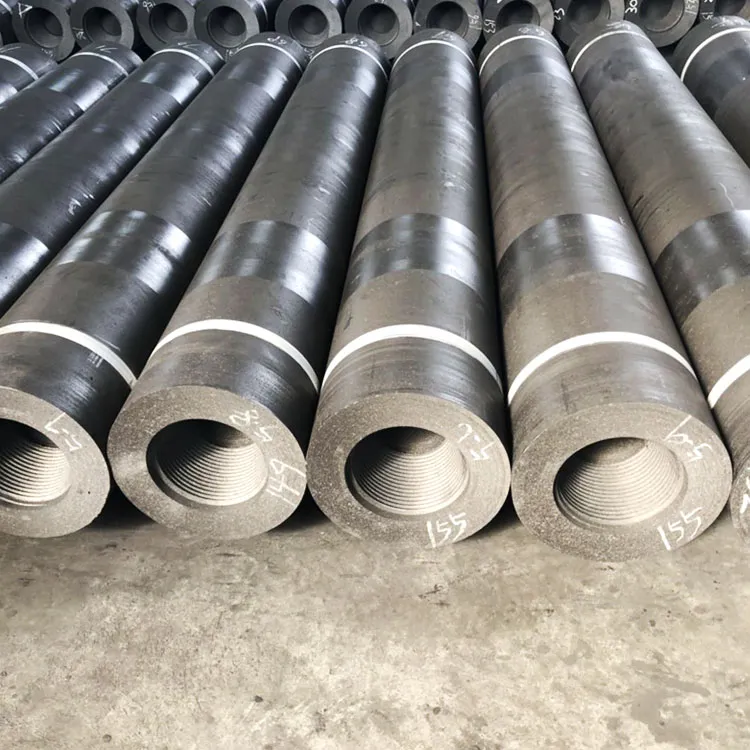
In the electric arc furnace (EAF) steelmaking industry, the lifespan and performance of high-power graphite electrodes profoundly impact operational efficiency and cost-effectiveness. This comprehensive guide unveils the critical factors influencing electrode longevity—from raw material selection and production techniques to real-world working conditions and maintenance practices. Leveraging empirical data and industry insights, this article equips metallurgical engineers and production managers with actionable knowledge for optimizing electrode utilization and enhancing furnace stability.
The foundation of a high-performance graphite electrode lies in its raw materials. Premium-grade petroleum coke from domestic sources, combined with imported needle coke, forms the optimal carbon blend. Needle coke’s needle-like crystalline structure delivers superior electrical conductivity and mechanical strength, critical for high-power grid conditions. Industry benchmarks suggest an optimal mixture ratio in the range of 70% petroleum coke to 30% needle coke by weight delivers balanced hardness and density.
Manufacturing stages such as precise forming, controlled high-temperature baking, and meticulous graphitization are pivotal. Controlled baking at 1200–1300°C removes volatiles and densifies the carbon matrix, while graphitization at temperatures exceeding 2800°C transforms carbon into a graphite crystal lattice, enhancing electrical and thermal conductivity. Studies show that electrodes baked and graphitized with strict temperature uniformity feature porosity levels below 5%, significantly extending electrode life by reducing thermal shock and erosion.
Real-time furnace parameters such as temperature fluctuations up to 3500°C, current density variability (ranging between 20–40 A/cm²), and operator handling critically affect electrode degradation rates. Electrical contact resistance and arc stability are sensitive to surface micro-structure and porosity. Avoiding sudden current spikes and minimizing arc instability through optimized power input profiles can reduce electrode consumption by approximately 15%.
Empirical data from multiple steel plants indicate electrode consumption rates vary between 1.5 to 3.0 kg per ton of steel, strongly influenced by production parameters and maintenance quality. Analysis of typical wear morphology reveals oxidation pits, thermal cracking, and mechanical abrasion as main degradation modes. For instance, electrodes operating with poor cooling regimes showed a 20% higher rate of thermal cracks, leading to premature failures.
Proactive maintenance is instrumental. Recommendations include refining current application curves to avoid abrupt power surges, periodic non-destructive testing (NDT) of electrode porosity and hot shock resistance, and regular cleaning to remove slag build-up. Implementing a scheduled inspection every 100 operational hours can reduce unexpected downtime by up to 25%. Monitoring real-time thermal behavior via embedded sensors is an emerging best practice.
Leveraging advancements in metallurgy and digital monitoring facilitates informed decision-making. Predictive analytics models, calibrated with historical electrode wear data, can forecast lifespan within a ±10% margin. Cross-functional management adopting standardized electrode handling protocols enhances reproducibility in performance, thus stabilizing furnace output and cost management.
Utilizing graphs and tabular data that depict electrode consumption trends, wear types, and maintenance impacts aids in knowledge transfer across teams. For example, a comparative wear rate chart classified by coke blend ratios can effectively communicate raw material impacts to procurement teams and plant operators.
This article forms part of a comprehensive educational series designed to equip readers from basic concepts to advanced operational techniques related to high-power graphite electrodes, bringing clarity and actionable insights to your steel production challenges.