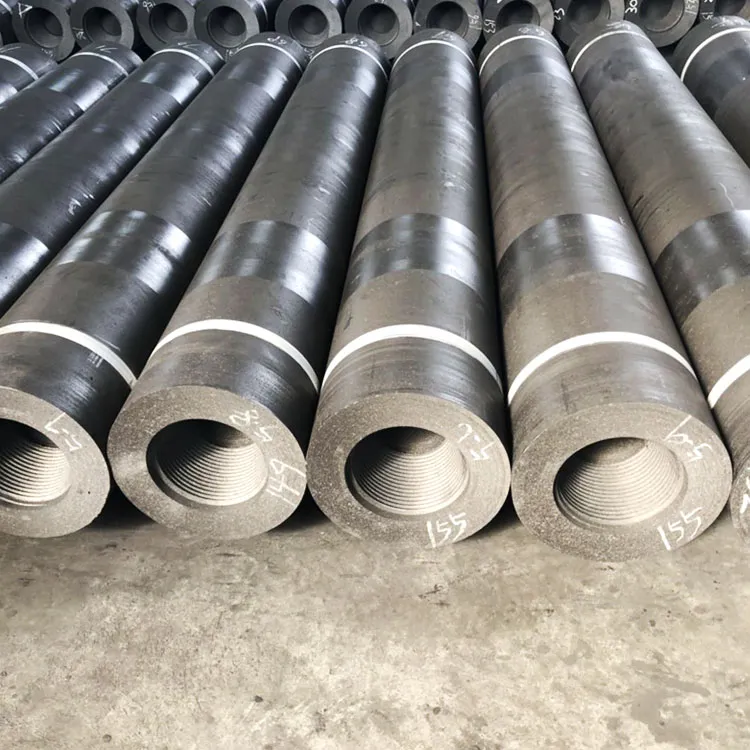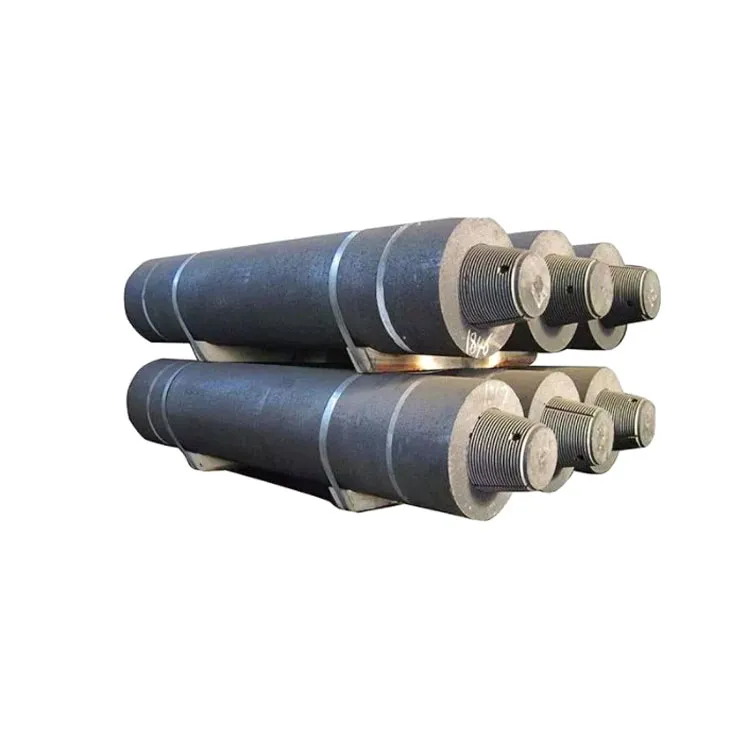
As an arc furnace steel mill technician or purchasing decision-maker, you understand the crucial role that high-power graphite electrodes play in your melting process. The right selection can significantly enhance your production efficiency, while the wrong one may lead to decreased efficiency and even safety hazards.
Different steel grades, such as stainless steel and alloy steel, have distinct requirements for electrode performance. For instance, stainless steel typically requires electrodes with high oxidation resistance due to its relatively high melting temperature, often around 1400 - 1500°C. The slag composition in stainless steel melting also contains more chromium and nickel compounds, which can accelerate electrode oxidation. On the other hand, alloy steel may demand electrodes with better thermal shock resistance because the alloying elements can cause uneven heat distribution during the melting process.
The melting temperature range, slag composition, and oxygen blowing intensity all have a profound impact on electrode performance. Higher melting temperatures increase the rate of electrode oxidation, while complex slag compositions can react with the electrode surface, affecting its integrity. Intensive oxygen blowing can also exacerbate electrode consumption.
Thermal conductivity reflects how well an electrode can transfer heat. In a high-temperature arc furnace environment, electrodes with good thermal conductivity can effectively dissipate heat, reducing the risk of local overheating and electrode damage. A typical high-power graphite electrode usually has a thermal conductivity of around 80 - 120 W/(m·K).
Oxidation resistance is vital as the electrode is constantly exposed to high temperatures and oxygen during melting. Electrodes with excellent oxidation resistance can have a longer service life. Our tests show that high-quality electrodes can reduce oxidation loss by up to 30% compared to ordinary ones.
During the heating and cooling cycles in the arc furnace, the electrode must withstand rapid temperature changes. Good thermal shock resistance prevents the electrode from cracking or breaking. Our electrodes have been tested to withstand temperature changes of up to 500°C without significant damage.
Resistivity affects the electrical energy conversion efficiency in the electrode. Lower resistivity means less energy is wasted as heat. Our high-power graphite electrodes typically have a resistivity of 5 - 10 μΩ·m.
Many steel mills have encountered issues due to improper electrode selection. For example, using regular power electrodes for high-carbon steel melting can lead to frequent power outages. The high current density required for high-carbon steel melting can cause the regular electrode to overheat and break, resulting in production delays and increased costs.
To prevent such problems, you need to carefully analyze the specific requirements of your steel grade and choose the appropriate electrode accordingly. Our team has compiled a list of common misuse scenarios and corresponding prevention measures, which you can refer to during your electrode selection process.
In one of our export cases, a steel mill in Europe reduced their electrode consumption by 25% after switching to our recommended electrodes based on their specific steel grade.
We have developed a scientific and practical selection flowchart to help you choose the right electrode. This flowchart takes into account all the key factors, including steel grade, melting process parameters, and electrode technical parameters. Additionally, we provide a simple on - site testing method that allows you to quickly evaluate the performance of the electrode in your actual production environment.
Your steel mill may have encountered similar electrode selection problems. Are you still struggling to find the most suitable electrode for your production? Don't worry. We have a wealth of experience and data from global metallurgical industries to support your decision - making.