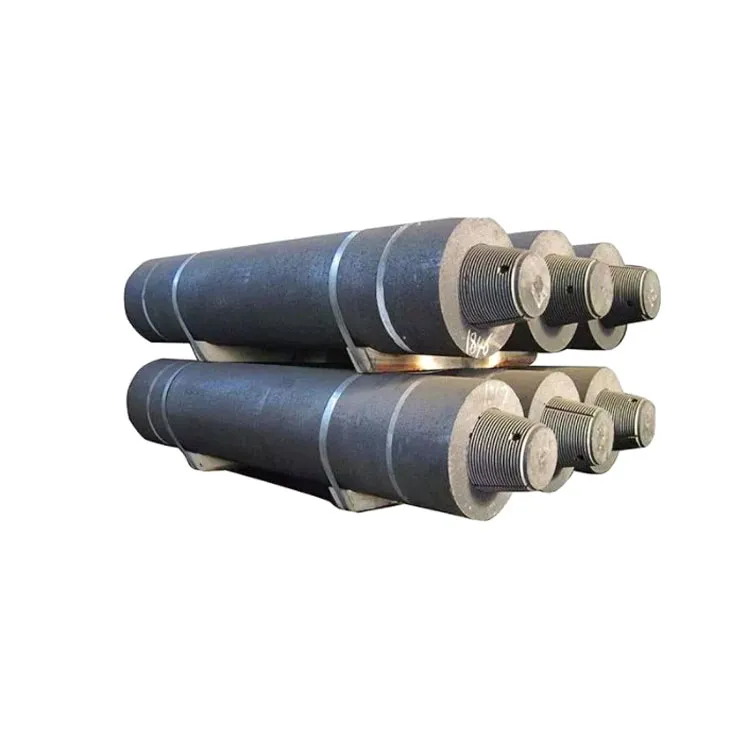
In modern electric arc furnace (EAF) steelmaking, the right graphite electrode selection isn’t just about performance—it’s a direct lever for reducing energy costs and improving operational stability. For engineers and procurement managers in the steel industry, choosing the wrong electrode can lead to unplanned downtime, increased maintenance, and higher per-ton electricity consumption.
The foundation of any high-power electrode lies in its raw material. Needle coke—derived from coal tar pitch—offers superior electrical conductivity (typically 12–15% higher than petroleum coke) and better thermal shock resistance due to its highly oriented crystalline structure. In contrast, standard petroleum coke electrodes may degrade faster under repeated heating cycles, especially when operating at currents exceeding 80 kA.
| Property | Needle Coke Electrode | Petroleum Coke Electrode |
|---|---|---|
| Electrical Conductivity (μΩ·cm) | 70–90 | 100–120 |
| Thermal Shock Resistance (°C) | ≥800 | ≤500 |
| Average Life per Batch (hours) | 45–55 | 30–40 |
Even with top-tier materials, poor machining tolerances can cause premature failure. For example, a deviation of more than ±0.1 mm in cylindrical accuracy or thread misalignment beyond ±0.05 mm increases mechanical stress at connections—leading to arcing, overheating, and potential breakage during operation. Leading manufacturers now use CNC-controlled finishing processes to ensure consistent dimensional control across batches.
A mid-sized EAF plant in Jiangsu Province replaced their conventional electrodes with needle coke-based ones optimized for 90 kA current density. Within three months, they reported:
When evaluating new suppliers, ask for third-party lab reports on thermal conductivity, flexural strength, and impurity levels—not just marketing claims. These metrics directly impact long-term cost efficiency.
To help you apply these principles daily, we’ve created a simple but powerful checklist for monitoring electrode condition and preventing failures before they occur. It includes key inspection points like surface cracks, connection torque values, and visual signs of over-heating.
Download Your Electrode Maintenance Checklist Now