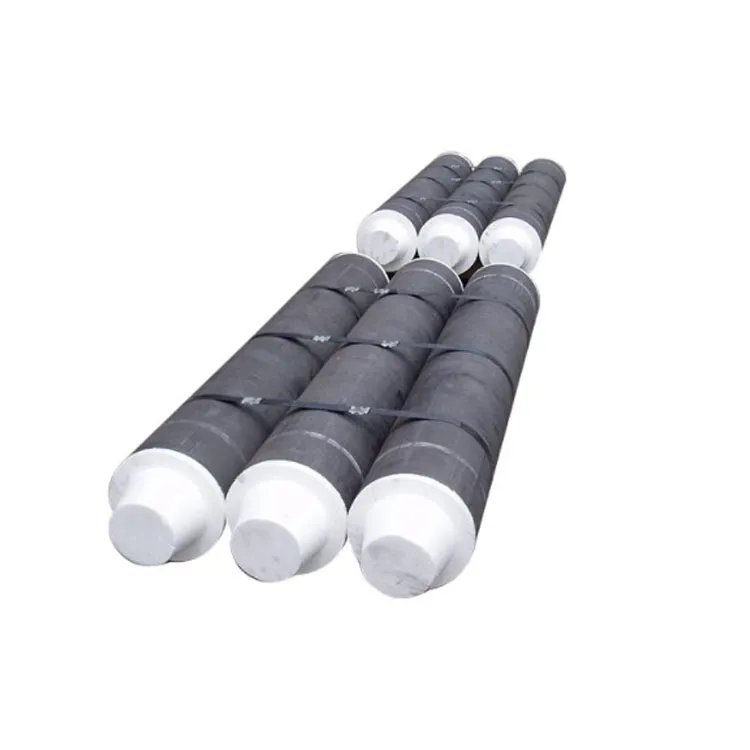
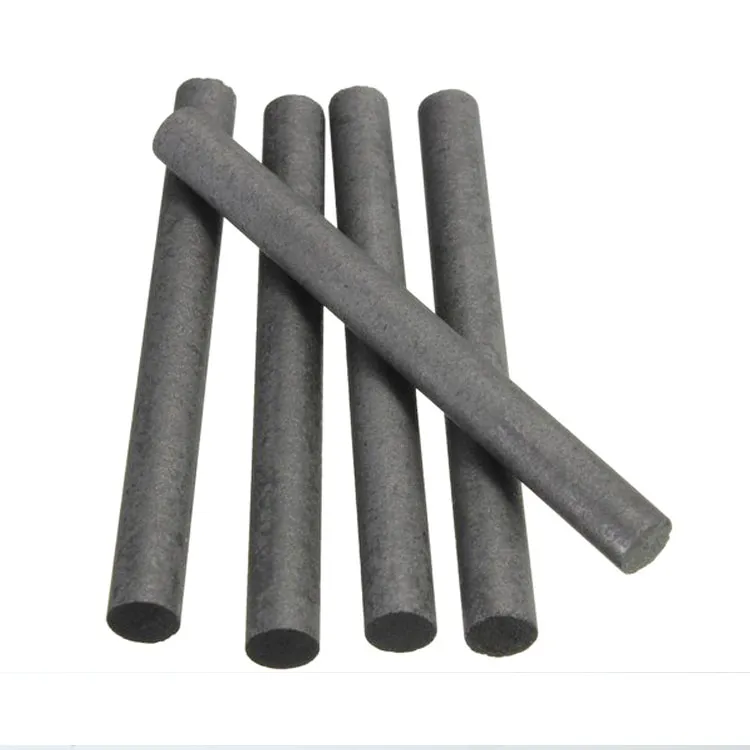
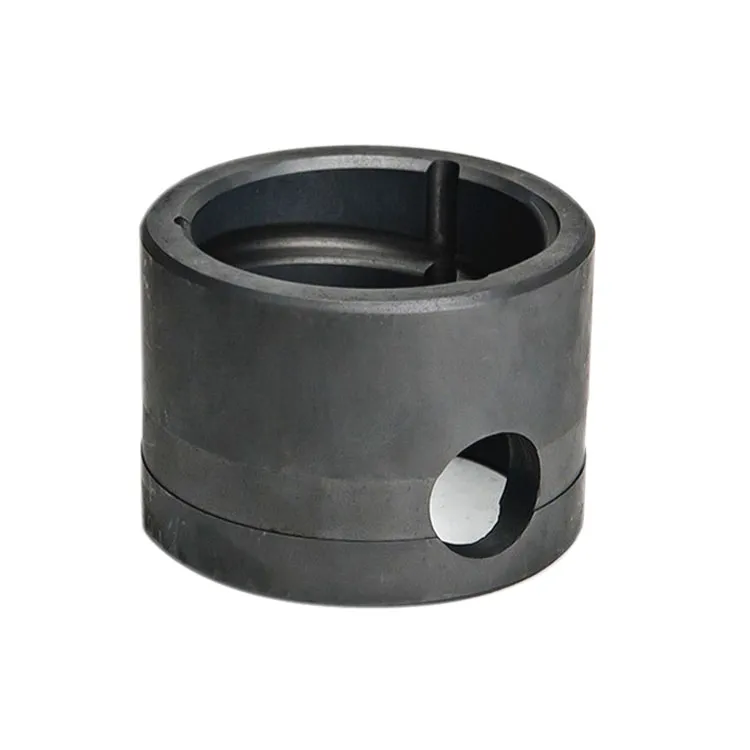
Steel producers around the globe continually face a perplexing challenge: why do high-power graphite electrodes of the same model exhibit markedly different lifespans when utilized in various electric arc furnace (EAF) environments? This article dissects the core scientific principles influencing electrode durability and translates them into actionable guidelines, empowering technical engineers and plant managers to reduce unexpected electrode wear and enhance operational efficiency.
The foundation of a high-performance graphite electrode lies in its raw materials. The blend ratio between domestic petroleum coke and imported needle coke dramatically affects purity, electrical conductivity, and thermal shock resistance. Needle coke, with its lower impurity levels and anisotropic microstructure, fosters superior graphitization, lowering resistivity to as low as 5 μΩ·m, compared to 7-8 μΩ·m typical in petroleum coke-rich formulations.
A carefully optimized blend—often between 20% and 40% needle coke—can enhance electrode density and reduce porosity below 10%, directly improving resistance against oxidation and thermal cracking.
The manufacturing stages—particularly the high-temperature baking at 1100-1300°C and subsequent graphitization at 2600-3000°C—are crucial in defining the microstructure. Precise temperature control during these stages refines the crystalline graphite size and pore distribution, which governs the electrode’s mechanical strength, often reaching flexural strengths of 30-50 MPa.
Minor deviations ±50°C during baking or graphitization can increase micro-porosity by 5%-8%, a significant factor contributing to premature electrode cracking under thermal shock.
Furnace parameters greatly influence electrode longevity. Frequent furnace temperature fluctuations exceeding ±100°C induce thermal cycling stresses that exacerbate microcrack propagation. Additionally, uneven current density distribution—often ranging between 40-100 A/cm² along the electrode length—localized "hot spots" accelerate erosion rates.
Case studies demonstrate that electrodes operated under unstable thermal conditions and irregular current flow show up to 25% higher consumption rates within the first 100 operational hours compared to stable, optimized settings.
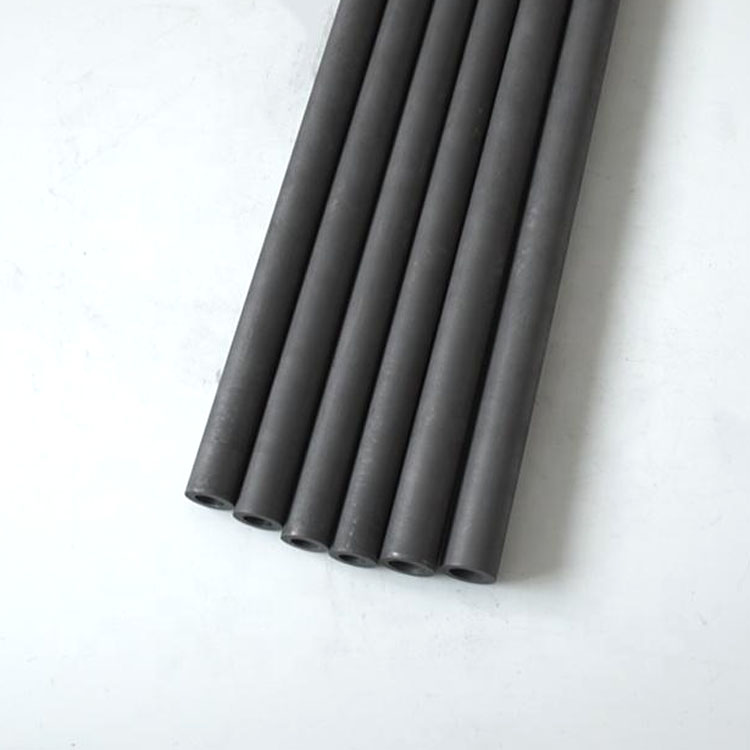
Beyond materials and furnace parameters, operator decisions significantly affect electrode durability. Proper replacement intervals—commonly every 2000-3000 operating hours—combined with optimized preheating profiles that gently ramp current over 20-30 minutes reduce thermal shock risks.
Furthermore, routine inspection focusing on porosity and thermal shock resistance via non-destructive testing techniques, such as ultrasonic pulse velocity measurements, can detect early degradation signs, enabling proactive maintenance before catastrophic failures occur.
Using real-time monitoring data significantly improves electrode lifespan management. Recommended key metrics include:
Implementing these strategies can extend electrode life by 15-25% and reduce unplanned downtime, translating to substantial cost savings.