Real Steel Mill Case Study: Risks and Prevention of Misusing High-Power Graphite Electrodes

07 01,2026
Sunrise
Customer Cases
This article explores critical technical considerations for selecting high-power graphite electrodes in electric arc furnace steelmaking. It provides an in-depth analysis of core performance parameters such as thermal conductivity, oxidation resistance, thermal shock resistance, and electrical resistivity, and how these relate to different steel grades including stainless and alloy steels as well as diverse smelting conditions. Drawing on real steel mill case studies, it highlights the increased consumption and power interruption risks caused by improper use of high-power electrodes. A systematic selection evaluation process and practical on-site testing methods are outlined to assist users in accurately assessing electrode suitability. Implementing these strategies effectively mitigates misuse risks, optimizes smelting efficiency and quality, and enhances production stability and economic benefits. This professional and practical content is tailored for technical specialists and purchasing decision-makers.
high-power-graphite-electrode-2.jpg

Real Steel Plant Case Study: Risks and Prevention in High-Power Graphite Electrode Misapplication

In the demanding environment of electric arc furnace (EAF) steelmaking, selecting the right graphite electrode is paramount. This article delves deep into the critical technical parameters governing high-power graphite electrodes and their suitability across steel types such as stainless and alloy steel. Drawing from real-world steel plant cases, we illuminate the hidden risks of misusing high-power electrodes and provide a systematic evaluation and testing framework to ensure optimal performance, enhanced operational stability, and economic gains.

Understanding Core Electrode Performance Metrics

High-power graphite electrodes are engineered to endure extreme electrical and thermal stresses during EAF operations. Four key performance indicators define their suitability:

  • Thermal Conductivity: High values (typically 120–140 W/m·K) enable effective heat dissipation, reducing thermal gradients.
  • Oxidation Resistance: Superior anti-oxidation coatings or treatments mitigate degradation when exposed to furnace atmospheres at temperatures exceeding 2300°C.
  • Thermal Shock Resistance: Capacity to withstand rapid temperature fluctuations prevents cracking during irregular operations.
  • Electrical Resistivity: Optimized low resistivity (~6–7 µΩ·m) ensures efficient current transfer and minimizes energy loss.

Matching these parameters with the specific steel grade and melting conditions is essential to prevent accelerated electrode wear and unplanned downtime.

Influence of Furnace Conditions on Electrode Performance

Various furnace environments pose distinct challenges to graphite electrodes:

Furnace Type Key Operating Factors Impact on Electrode
Electric Arc Furnace (EAF) High melting temperatures (1600–1800°C), intense electrical load, variable slag chemistries Requires electrodes with high oxidation resistance and thermal shock endurance
Refining Furnace Moderate thermal load, fluctuating blowing oxygen intensity Electrode selection balances resistivity and mechanical strength
Submerged Arc Furnace Lower surface wear, but high electrical conductivity needs Focuses on electrodes with stable electrical properties

Case Analysis: Consequences of High-Power Electrode Misuse

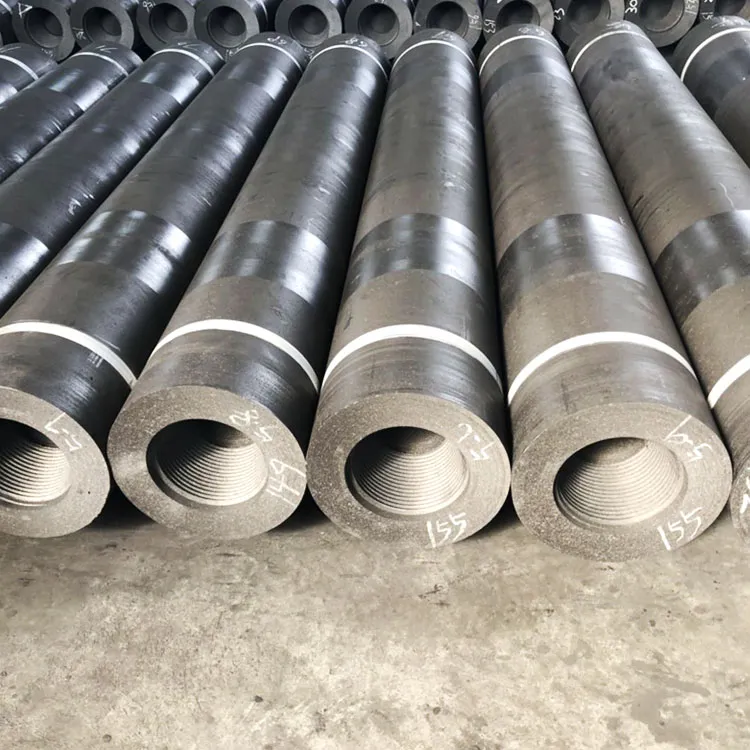
Consider a stainless steel plant where high-power graphite electrodes with insufficient oxidation protection were applied for alloy steel melting. Over six months, electrode consumption exceeded projections by 30%, with frequent unexpected breakages causing production halts averaging four hours weekly. Investigation revealed that the thermal shock resistance was below the furnace’s abrupt power fluctuation spectrum, leading to internal cracks and premature failure.

Data comparisons demonstrated a 15% rise in specific electrical energy consumption, translating into substantial cost inefficiencies. Moreover, contaminated electrode fragments elevated refractory wear rates, compounding maintenance expenses.

Systematic Electrode Selection Workflow

To mitigate such risks, steel plants can adopt the following selection process:

  1. Define steel grade and melting parameters precisely, including temperature ranges and slag characteristics.
  2. Assess electrode performance data sheets focusing on conductivity, oxidation resistance, and mechanical integrity.
  3. Conduct pilot tests under controlled furnace conditions, monitoring wear rates and electrical parameters.
  4. Implement real-time electrode condition monitoring using infrared thermography and current density sensors.
  5. Adjust electrode procurement specifications based on collected empirical data.

Such a structured evaluation enhances decision-making robustness and aligns electrode performance with operational demands.

Practical On-Site Testing Techniques

On-site verification ensures that electrode batches meet anticipated performance before large-scale deployment. Recommended methods include:

  • Thermal Shock Testing: Subjecting samples to rapid temperature cycling between ambient and 1000°C; acceptance if no visible cracks after 10 cycles.
  • Oxidation Weight Loss Assays: Measuring mass loss after furnace exposure at 2500°C for 20 hours; less than 2% loss indicates superior oxidation resistance.
  • Electrical Resistivity Measurement: Using four-point probe technique to verify conductivity complies with 6–7 µΩ·m standard.

Executing these tests on each batch can dramatically reduce the likelihood of performance-related failures.
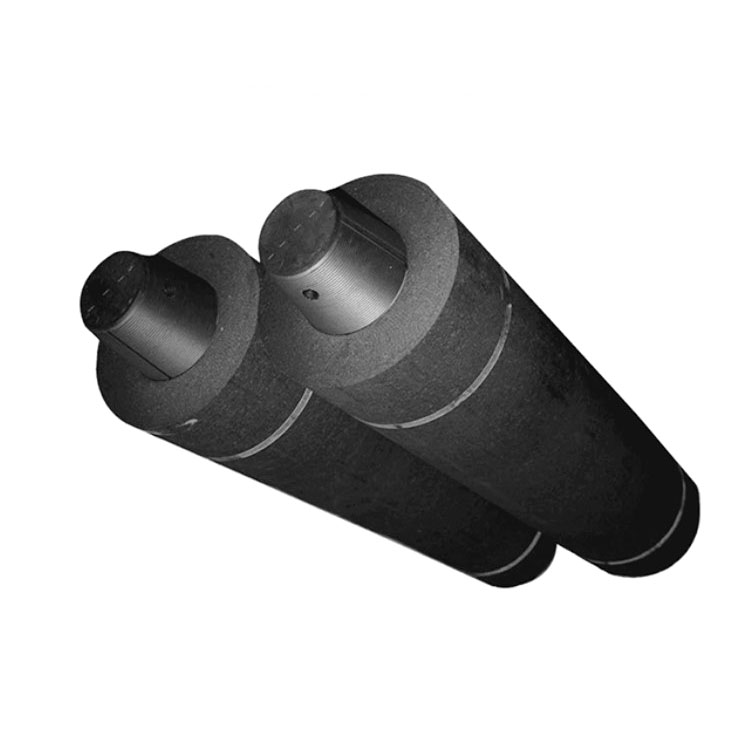
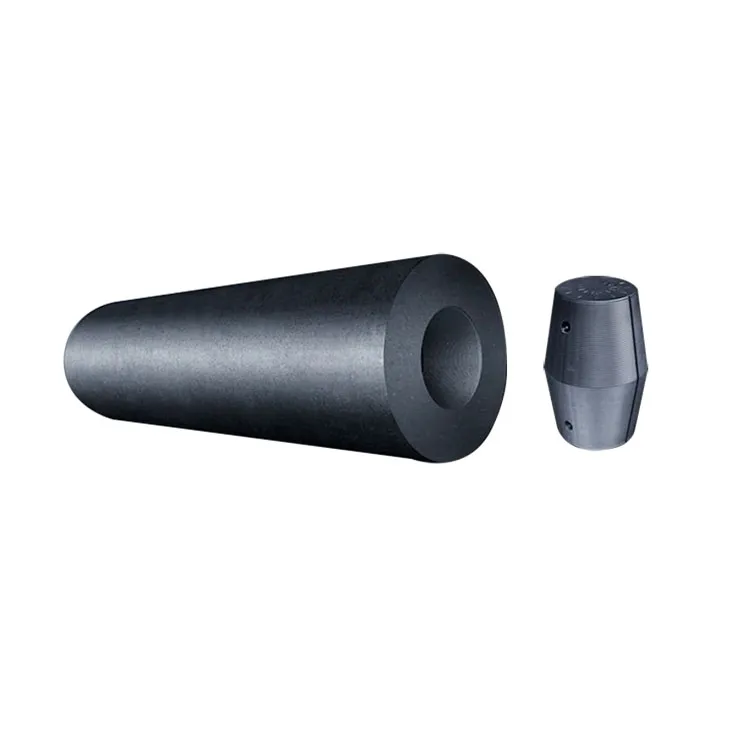
Graphite electrode structure and heat flow diagram

Driving User Awareness and Technical Alignment

Users often overlook critical matching criteria between electrode attributes and steel melting nuances. The real-world examples highlight the costly consequences of such oversight, emphasizing the need for data-driven selection and proactive risk management.

Steel producers should integrate these practices into procurement and operational protocols to realize measurable improvements in electrode lifespan, process efficiency, and product quality stability.
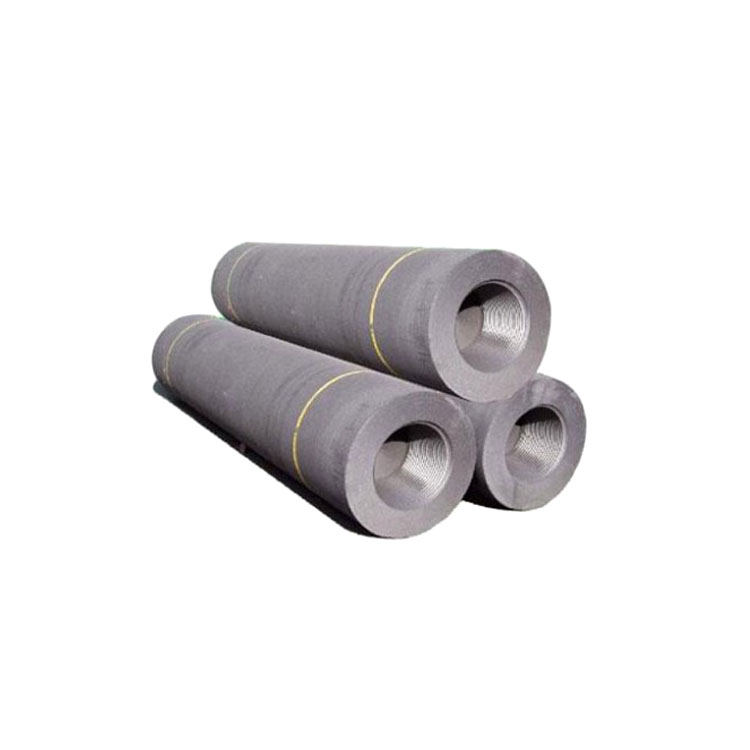
Flowchart illustrating systematic graphite electrode selection process in steel manufacturing

Technical Consulting Tailored to Your Steel Plant Needs

Every steel plant operates under unique conditions requiring bespoke graphite electrode solutions. Consulting with experts who understand the interplay of electrode properties and steel grades can safeguard your investment and elevate production stability.
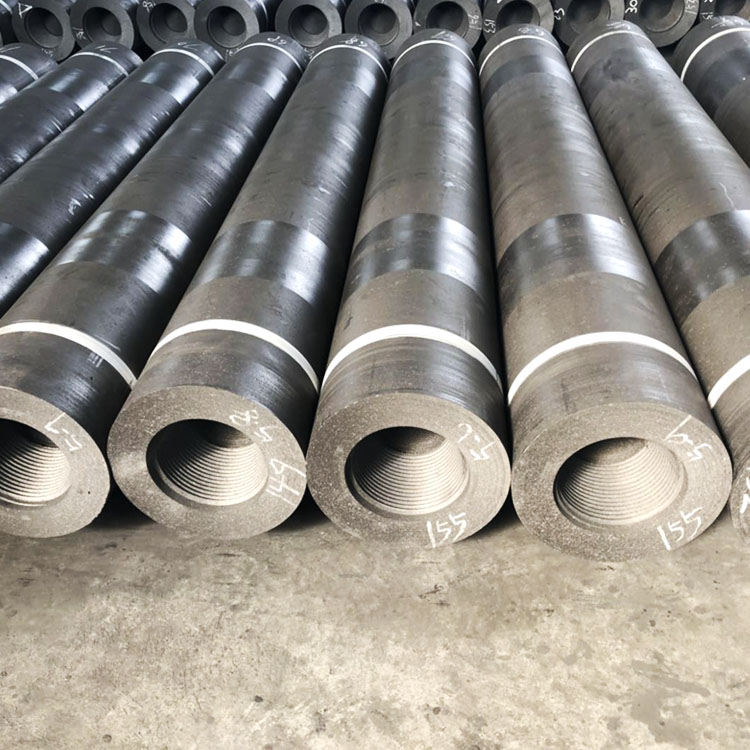
Technical staff performing on-site graphite electrode testing in steel plant environment
Name *
Email *
Message*

Recommended Products

Popular articles
Recommended Reading

Related Reading

Contact us
Contact us
https://shmuker.oss-cn-hangzhou.aliyuncs.com/tmp/temporary/60ec5bd7f8d5a86c84ef79f2/60ec5bdcf8d5a86c84ef7a9a/thumb-prev.png