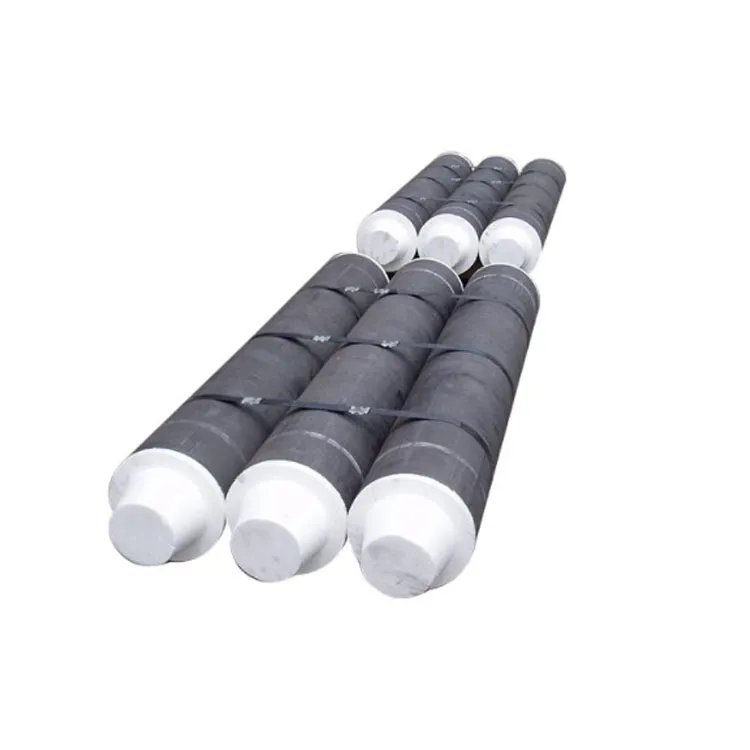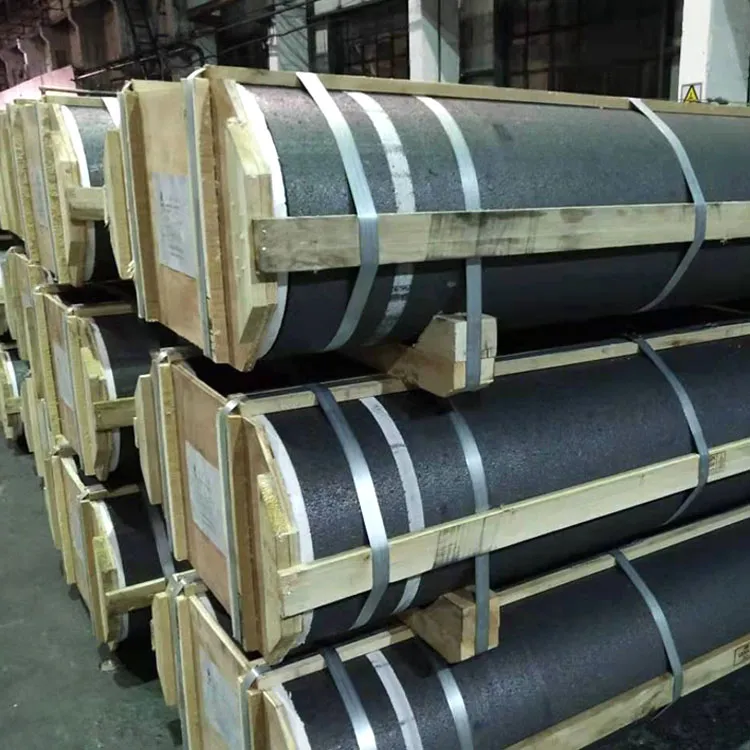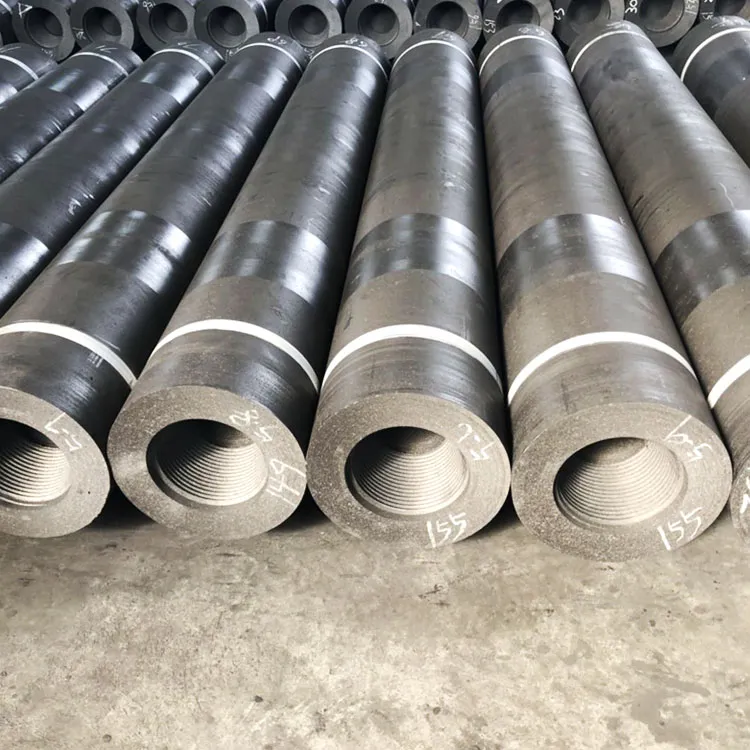
For steelmakers utilizing electric arc furnaces (EAF), the durability of high-power graphite electrodes directly impacts production efficiency and cost control. Despite their crucial role, many operators face challenges with unexpectedly short electrode lifespans, resulting in unplanned downtime and increased maintenance expenses. This article dissects the five key factors affecting graphite electrode life in arc furnace conditions and offers actionable optimization solutions grounded in real data and industrial case studies.
High-purity raw materials are essential for manufacturing electrodes that resist oxidation and mechanical wear during intense arc furnace operations. Impurities such as ash content above 0.5% or volatile matter exceeding 1.5% can drastically reduce electrode strength and increase consumption rates by up to 20%. Industry standards recommend total ash below 0.4% and volatile matter below 1.0% to ensure optimal performance.
The electrode’s microstructure and mechanical properties depend heavily on precise baking and graphitization cycles. Inadequate baking temperature control (less than 1,200°C) can leave pores and cracks, reducing thermal shock resistance. Graphitization above 2,700°C optimizes electrical conductivity and mechanical strength, improving lifespan by approximately 15%. Process stability and real-time monitoring are therefore critical.
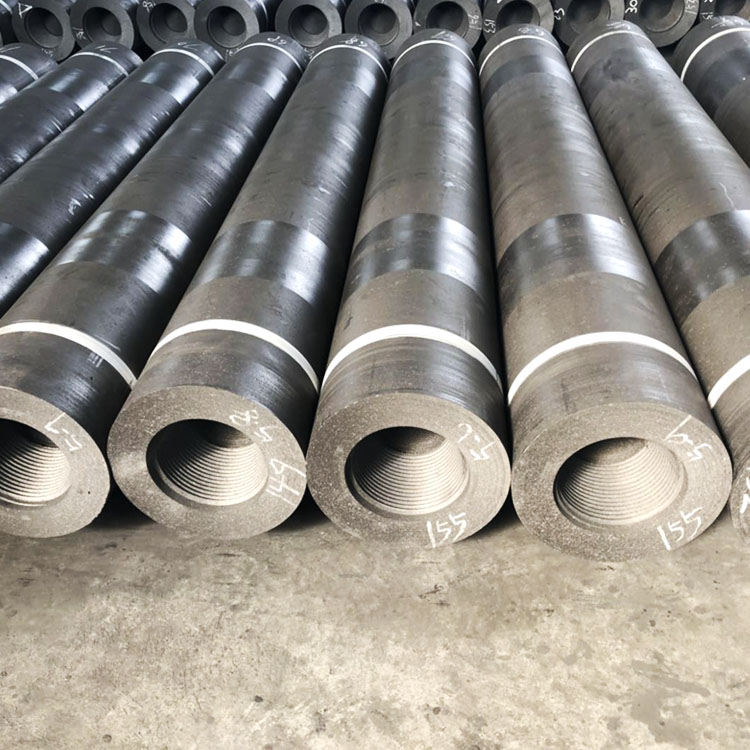
Thermal stability inside the furnace is a pivotal factor. Rapid temperature swings, often exceeding 1,200°C variations within minutes, cause cracking and accelerated electrode burnout. Data analysis shows that maintaining temperature fluctuations within ±100°C can reduce electrode consumption by 12%. Implementing advanced furnace control systems and predictive thermal modeling significantly mitigates this risk.
Uneven current distribution leads to localized overheating and mechanical stress. Typical unevenness causing more than ±15% current density deviation shortens electrode life by up to 18%. Solutions like electrode taper optimization, precise alignment, and current monitoring sensors contribute to balanced current flow and longer electrode life.
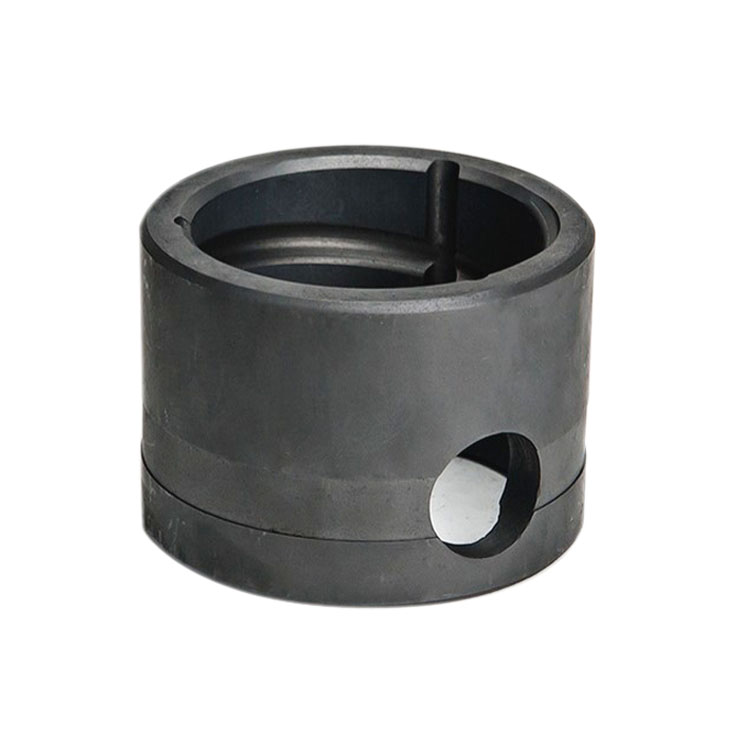
Proper operational protocols such as optimized energization curves, routine porosity inspections using ultrasound techniques, and thermal shock resistance monitoring extend electrode lifespan significantly. Regular training of furnace operators and maintenance teams on handling, positioning, and cleaning electrodes correlates with a 10-15% reduction in electrode wear.
Adopting integrated management systems for electrode condition and furnace parameters enables predictive maintenance, reducing unplanned outages by nearly 25% in leading steel plants.
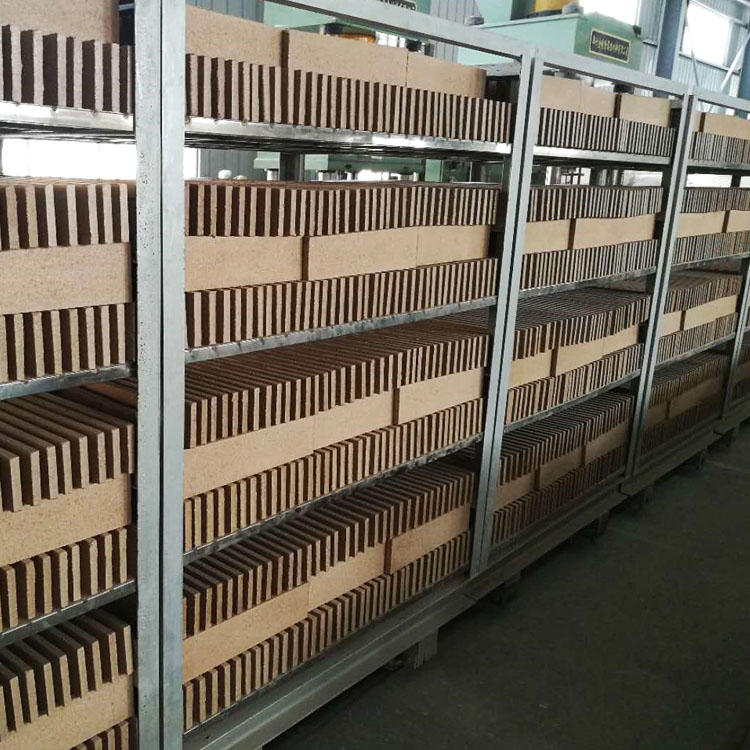
Unlock longer electrode service life and stable furnace operation by partnering with industry-leading high-power graphite electrode manufacturers who prioritize material purity, cutting-edge manufacturing, and tailored operation support. Explore advanced graphite solutions designed to maximize uptime and minimize costs in your EAF processes.
Discover High-Power Graphite Electrodes — Boost Your EAF Performance Today