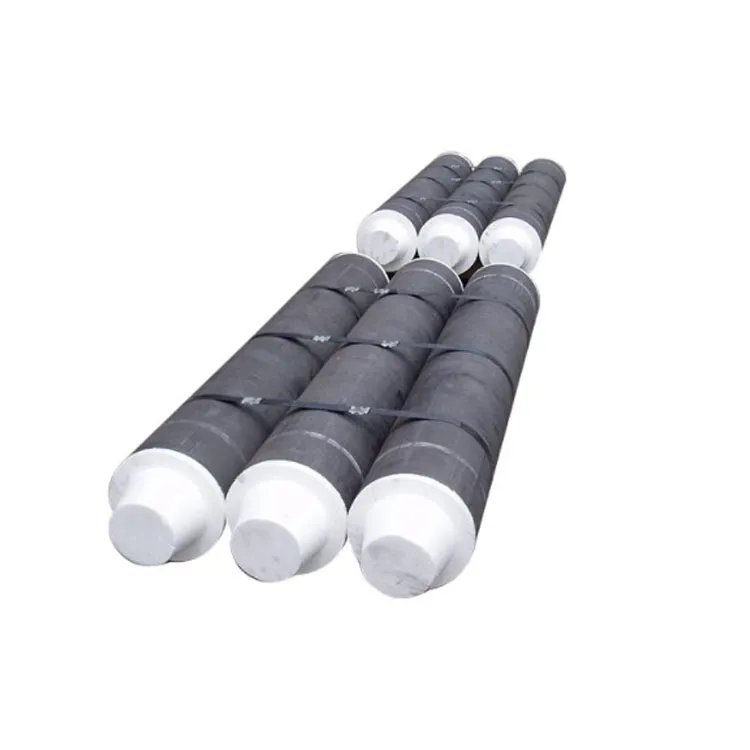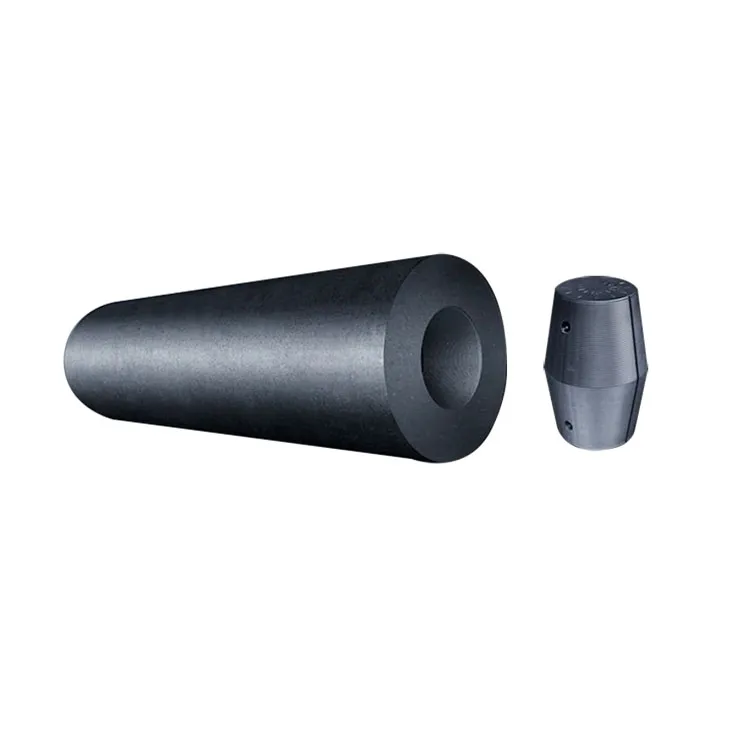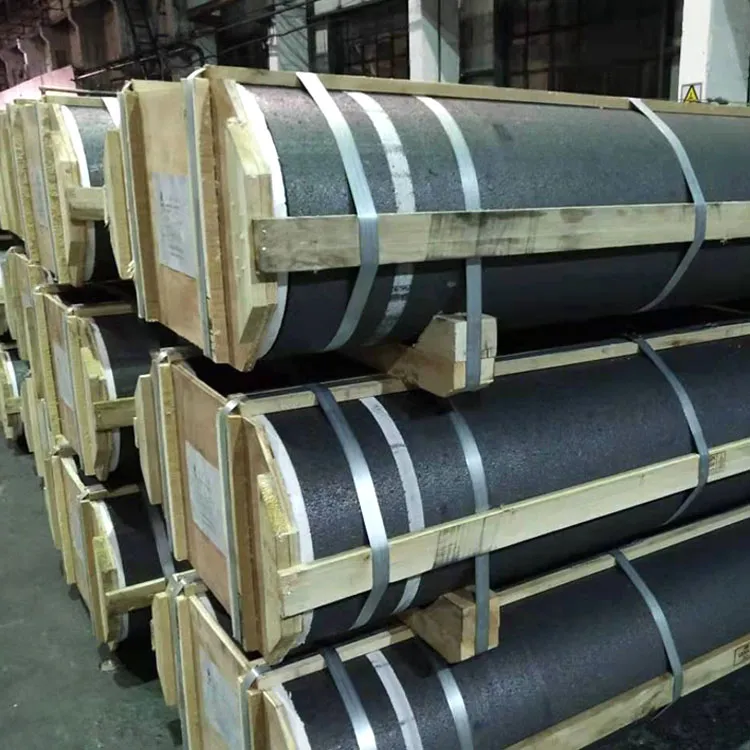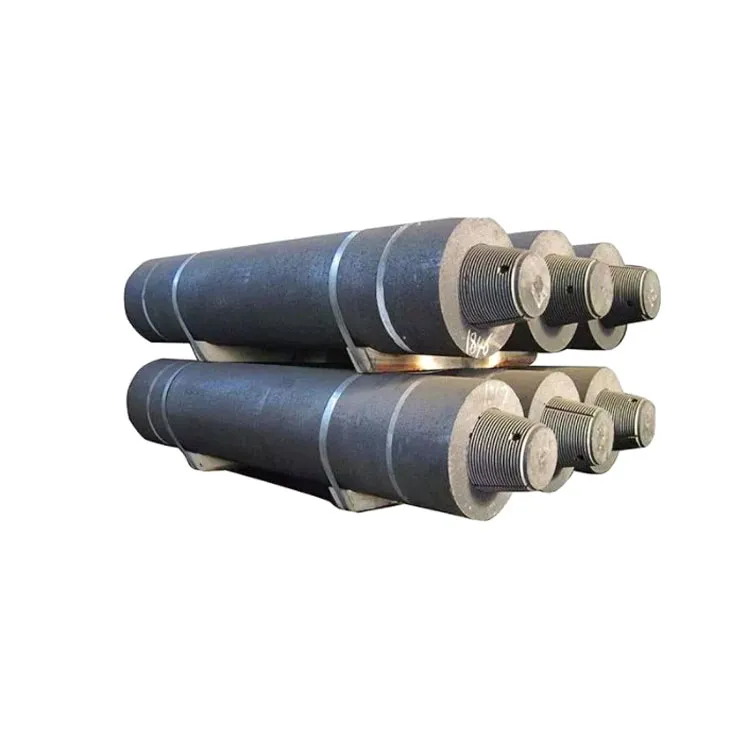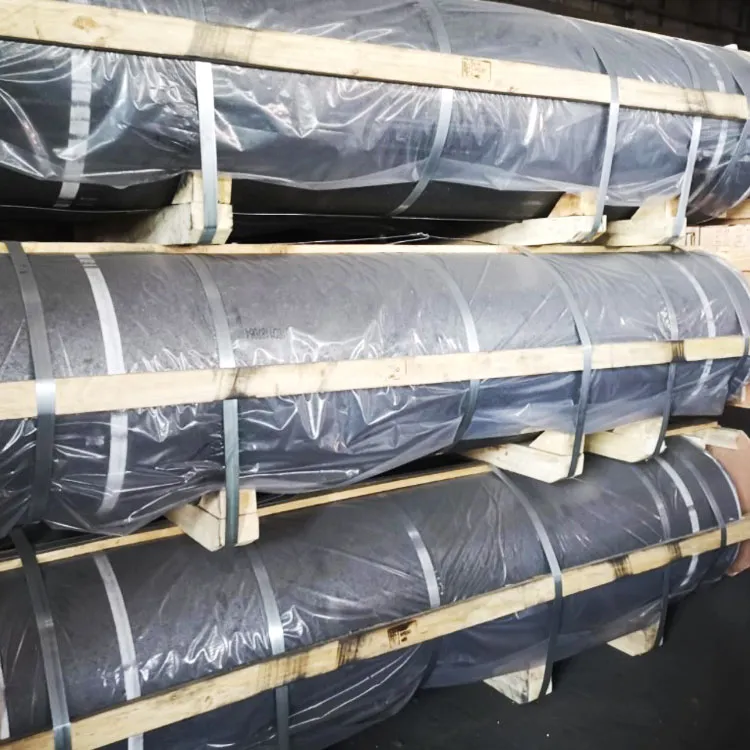
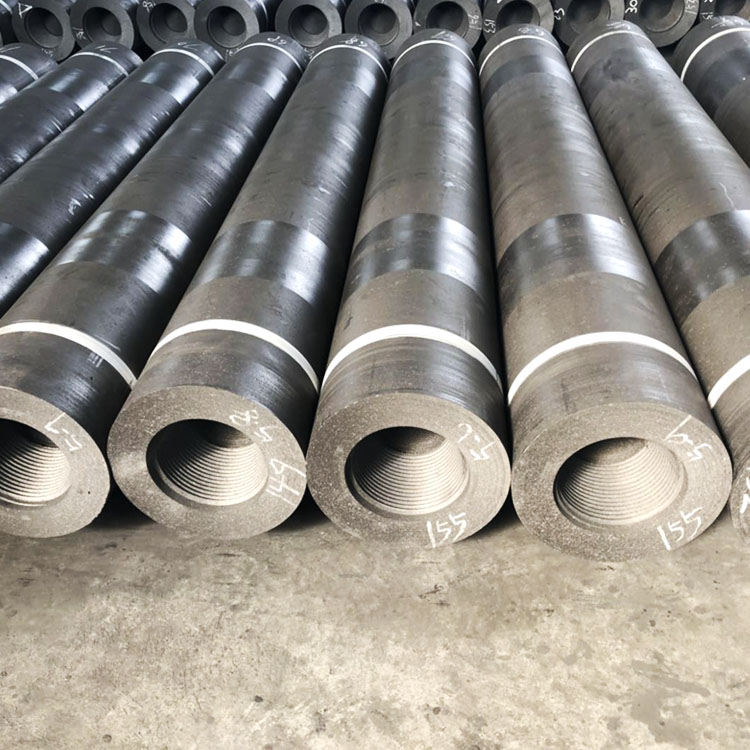
High-power graphite electrodes are critical to efficient electric arc furnace (EAF) steel production. Yet, many steel plants face the persistent challenge of electrode lifespan falling short of expectations. Understanding the key drivers behind rapid graphite electrode consumption is vital for optimizing productivity and lowering operational costs. This article reveals five often overlooked factors that significantly influence electrode life, backed by industrial data and practical recommendations that can help engineering teams mitigate losses effectively.
The purity of raw materials and precise formulation is paramount. Electrodes made from graphite with impurities such as residual ash, silica, or metallic inclusions typically suffer from microstructural defects that accelerate wear and oxidation. Studies indicate that electrodes containing >99.8% carbon purity can improve lifespan by 15–20% compared to standard grades with 99.5% purity. Additionally, the choice of binder pitch and additives impacts the density and pore structure, directly affecting the electrode's resistance to thermal shock.
The manufacturing steps of baking and graphitization require strict temperature control and timing to achieve uniform crystallographic structure. Deviations can lead to uneven pore formation, increasing susceptibility to thermal fractures. For example, a deviation of ±10°C during graphitization can induce a 10–15% rise in porosity, making electrodes less resistant to high thermal gradients experienced during furnace operation.
Electrodes are highly sensitive to furnace thermal dynamics. Rapid or frequent temperature fluctuations deteriorate the mechanical integrity of electrodes by triggering micro-cracks. Furthermore, uneven current density distribution on the electrode surface causes localized hotspots that escalate wear in specific zones. Data from operational furnaces shows that reducing temperature variance below 5°C and balancing current density can extend electrode life by up to 25%.
Beyond material and process quality, routine monitoring and optimal operation significantly influence electrode longevity. Regular inspections of electrode porosity via ultrasonic measurement and maintaining consistent power supply schedules help prevent premature failures. Operators trained to detect abnormal voltage or arc stability issues can adjust furnace parameters timely, avoiding accelerated electrode consumption. Industry benchmarks recommend maintenance cycles every 100 operational hours to maximize service life.
Integrating real-time data monitoring for furnace temperature, electric current distribution, and electrode wear parameters enables predictive maintenance. Advanced analytics can flag risk levels before catastrophic failures occur, allowing preemptive adjustments. Case studies reveal a 15% reduction in electrode replacement frequency after deploying such systems, positively impacting both production continuity and cost efficiency.
“Optimizing graphite electrode performance is a multifaceted process that demands attention to material science, process control, and operational diligence. Strategic monitoring combined with high-quality electrodes translates directly into prolonged service life and furnace stability.” — Senior Metallurgical Engineer, Global Steel Corporation
In an industry where continual improvement is key, adopting best practices that address these five critical factors can significantly curb graphite electrode consumption. Embracing robust quality control, precise process engineering, and vigilant operational monitoring forms the backbone of high-performance furnace electrode management.