Key Factors Affecting High-Power Graphite Electrode Life in Electric Arc Furnaces and Practical Maintenance Guide
30 12,2025
Tutorial Guide
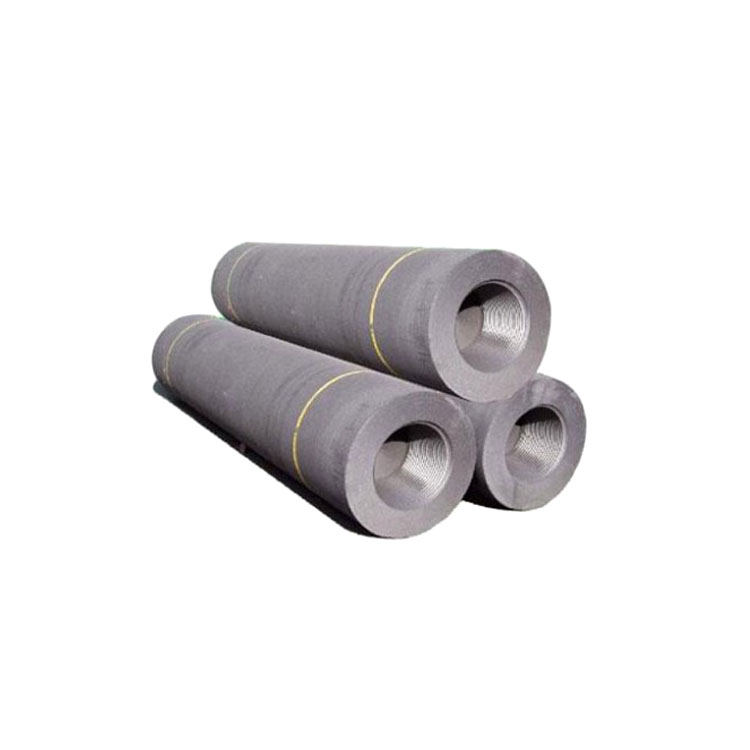
The lifespan of high-power graphite electrodes in electric arc furnaces is influenced by multiple critical factors, including material purity, precision in baking and graphitization processes, furnace temperature fluctuations, current density distribution, and operational maintenance practices. This article provides an in-depth analysis of how these variables contribute to electrode wear, supported by real-world operating data and failure mode case studies such as cracking, oxidation, and breakage. Furthermore, it offers actionable preventive maintenance recommendations—such as optimizing power-on curves and regularly monitoring porosity and thermal shock resistance—to help steel producers enhance electrode durability, reduce production costs, and improve equipment stability. Designed as a practical guide for engineers and plant managers, this resource emphasizes systematic management for improved metallurgical efficiency.
Factors Affecting High-Power Graphite Electrode Lifespan in Electric Arc Furnaces and Practical Maintenance Guide
In the steelmaking industry, the performance and durability of high-power graphite electrodes significantly influence operational efficiency and cost control in electric arc furnaces (EAF). Despite the use of identical electrode models, steel plants often experience considerable lifespan discrepancies. This tutorial explores the critical factors governing electrode longevity, supported by empirical data, and outlines actionable maintenance strategies tailored for metallurgical engineers and plant managers.
1. Understanding the Lifespan Variability in Identical Graphite Electrodes
The lifespan difference between electrodes of the same specification can often exceed 20%. These variations stem from multiple intertwined factors spanning from raw material quality to in-furnace operating conditions. Without addressing these variables holistically, steel producers risk accelerated electrode wear, production downtime, and elevated operational expenses.
2. Core Factors Influencing High-Power Graphite Electrode Durability
The electrode performance depends heavily on both intrinsic material properties and external operational parameters:
- Raw Material Purity: Higher carbon content (≥ 99.9%) and minimal ash impurities improve oxidation resistance.
- Baking & Graphitization Precision: Uniform heat treatment at 2800–3000°C reduces porosity and enhances mechanical strength.
- Furnace Temperature Stability: Fluctuations beyond ±50°C accelerate thermal stress and oxidation damage.
- Current Density Distribution: Non-uniform current loads can cause localized overheating and premature cracking.
- Operational Practices: Frequent abrupt current changes and improper handling contribute significantly to electrode fracture and wear.
3. Common Electrode Failure Modes and Their Causes
Metallurgical plants commonly encounter three principal failure modes among graphite electrodes:
- Cracking: Induced primarily by thermal shock due to rapid temperature changes and uneven temperature gradients.
- Oxidation: Surface corrosion triggered by exposure to oxygen at elevated temperatures, exacerbated by impurities.
- Fracture: Mechanical breakage resulting from handling damage or improper clamping in furnace setups.
Understanding these failure patterns aids in pinpointing root causes and engineering targeted preventative measures.
4. Data-Driven Insights on Electrode Consumption Trends
Industry average data indicates that optimal thermal management and precision manufacturing can reduce electrode consumption by up to 18%. Specifically, electrodes operated under stable current density and minimal thermal oscillations exhibit a consumption rate averaging 1.2 kg per ton of steel produced, compared to 1.5 kg/ton for plants with poor temperature regulation. Regular monitoring of porosity levels (target <8%) and thermal shock resistance (critical values above ISO 3340 standards) correlates strongly with prolonged electrode life.
5. Preventive Maintenance Best Practices for Prolonged Electrode Use
Implementing a scientific maintenance regime centered on these principles can yield significant improvements:
- Optimized Current Profiles: Smoothing the start-up and shut-down power ramp minimizes thermal stress.
- Scheduled Porosity & Thermal Shock Testing: Using non-destructive testing tools quarterly to track degradation milestones.
- Standardized Handling Procedures: Training operators on correct electrode installation and transport protocols.
- Environmental Controls: Reducing furnace oxygen ingress to below 1.5% through better sealing and gas purging.
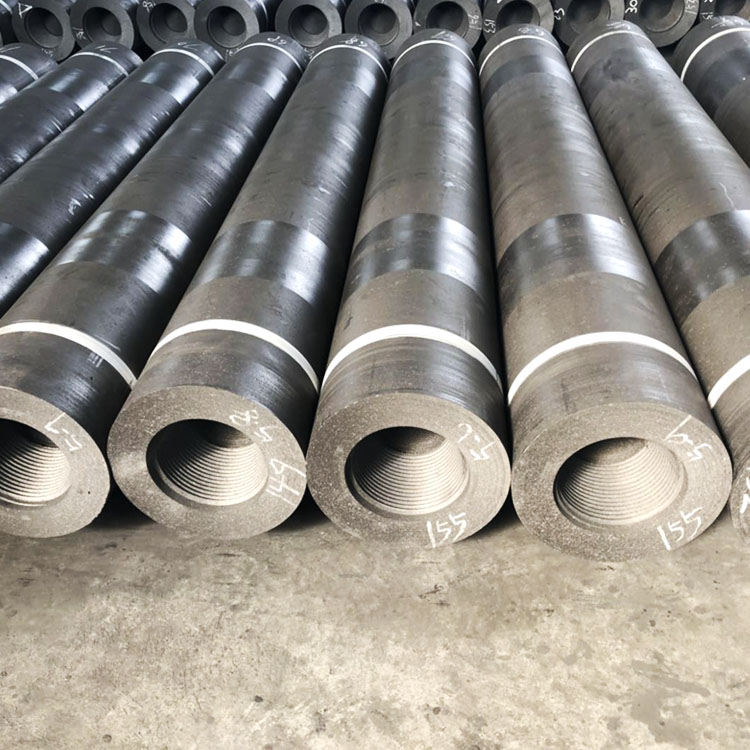
6. Real-World Success Story: Extending Electrode Life by 15%
A leading steel producer implemented a comprehensive maintenance optimization plan combining precise baking controls, in-situ porosity inspections, and operator upskilling. Over a 12-month period, electrode lifespan extended by 15%, translating into a cost reduction of $120,000 annually and markedly enhanced furnace uptime.
Industry Standard Reference: Compliance with
ISO 3340:2019 - Graphite electrodes for electric arc furnaces — Specifications is critical to ensure electrode quality and performance benchmarks.
Your Experience Matters
Have you encountered unusual graphite electrode wear or unexpected breakdowns? Share your observations and maintenance tips below to foster knowledge exchange within our technical community.