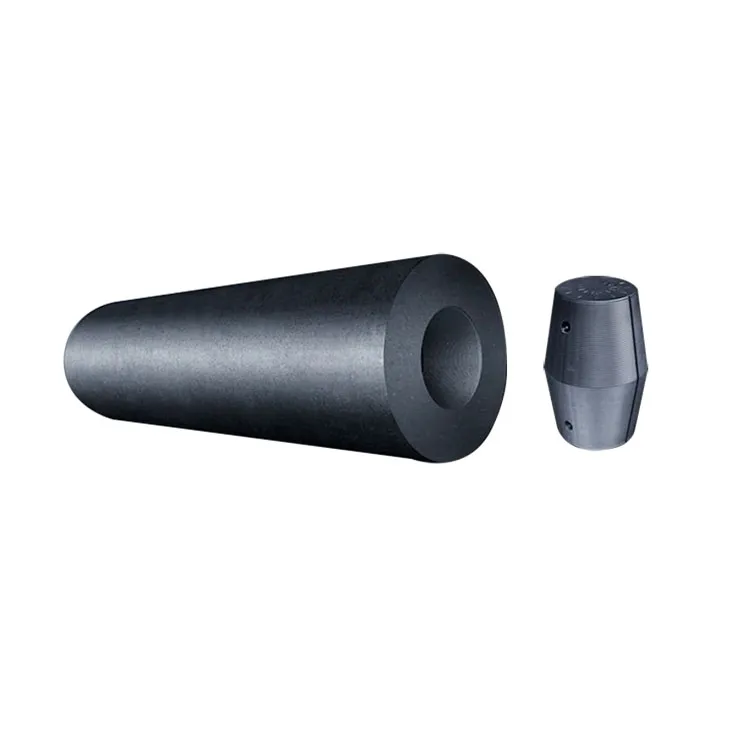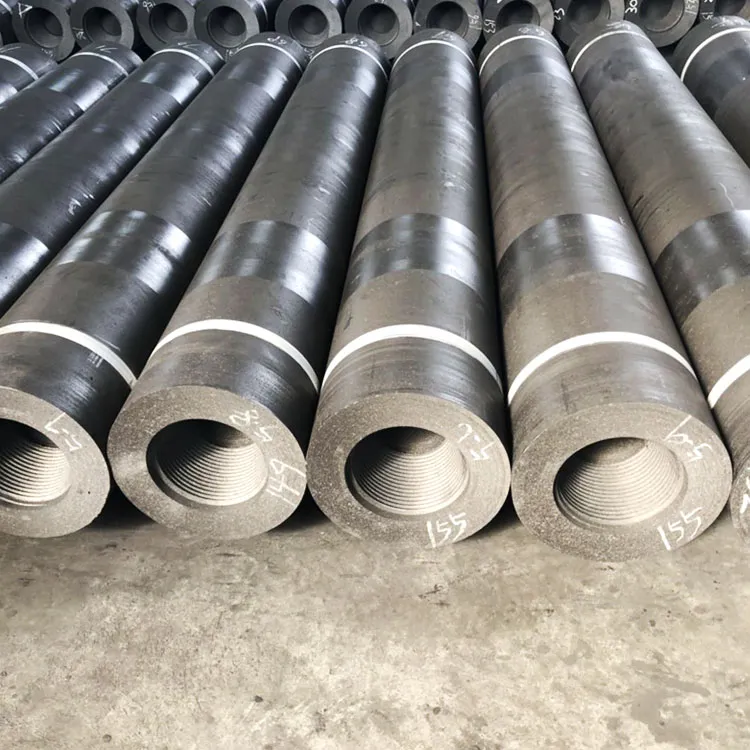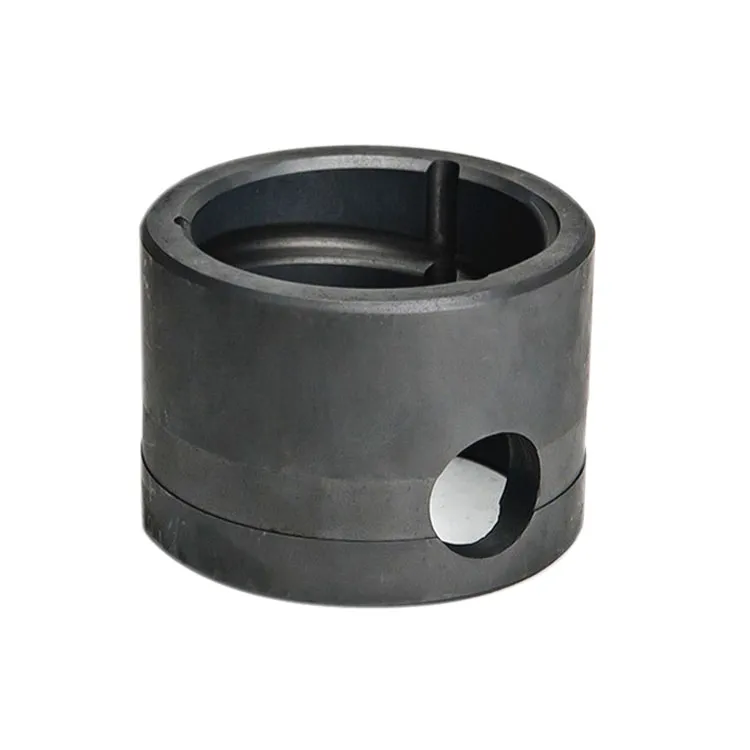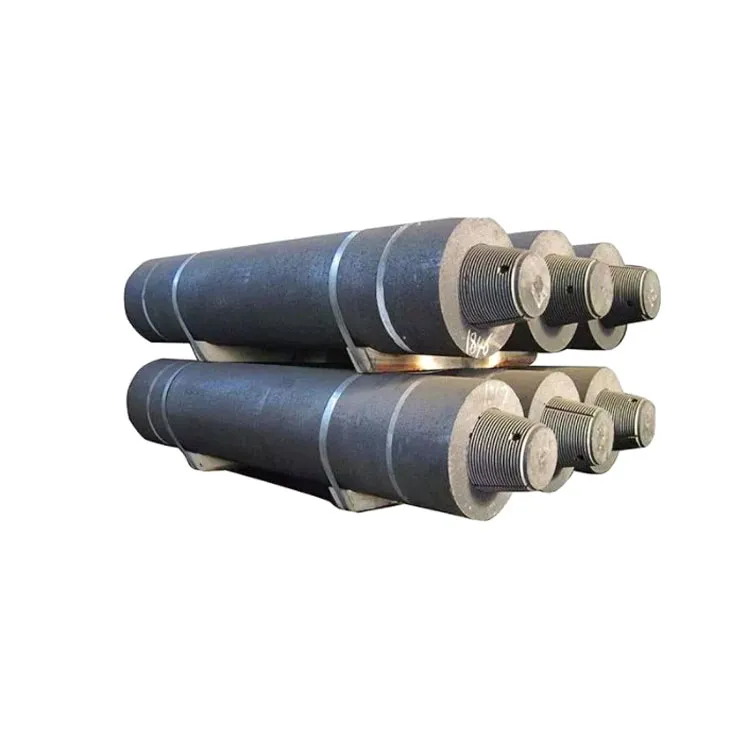
In the demanding environment of electric arc furnace (EAF) steelmaking, high power graphite electrodes play a critical role in maintaining operational efficiency and productivity. However, industry data shows that unexpected electrode failures account for approximately 18-22% of unplanned downtime in EAF operations, resulting in average production losses of $50,000 to $120,000 per incident depending on furnace size and market conditions. Understanding the root causes behind common failure modes is essential for steel producers aiming to optimize electrode performance and reduce operational costs.
Industry Insight:
A recent survey of 120 steel plants across Europe and North America revealed that 63% of electrode-related incidents could be attributed to preventable operational factors rather than material defects, highlighting the importance of proper handling and maintenance protocols.
High power graphite electrodes typically face three primary failure mechanisms during EAF operations, each presenting distinct challenges and warning signs:
End spalling manifests as the progressive chipping or flaking of the electrode tip, often resulting from thermal shock during rapid temperature changes. This phenomenon can reduce electrode length by 15-30% prematurely, significantly increasing consumption rates. Microscopic analysis shows that spalling initiates at internal defects where thermal stress exceeds the material's tensile strength (typically 8-12 MPa for high power grades).
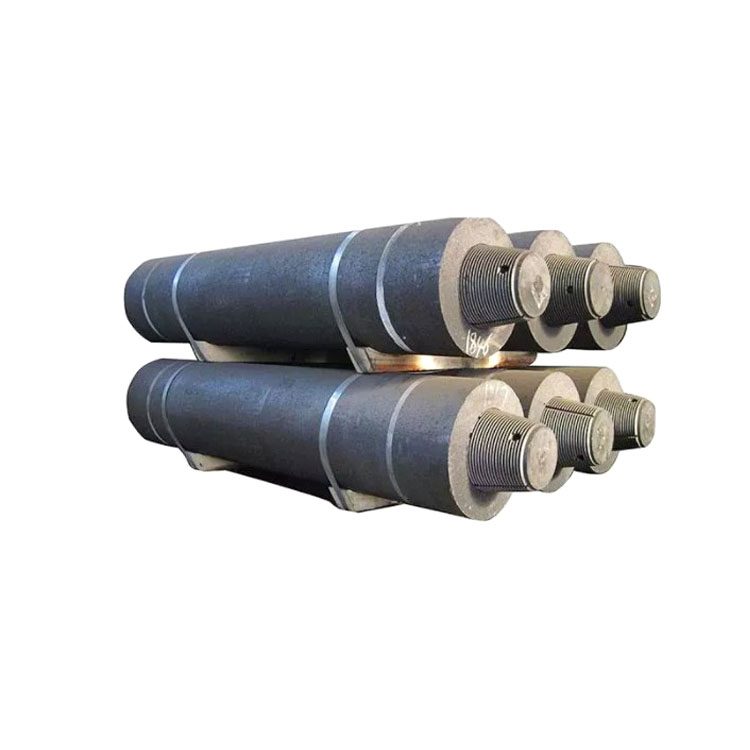
Sidewall cracks represent a more severe failure mode, often leading to catastrophic electrode breakage. These cracks typically propagate parallel to the electrode axis and can develop within 4-8 heat cycles if not detected early. Stress analysis indicates that circumferential cracks often form at the electrode clamping area, where mechanical stress combines with thermal gradients to create stress concentrations up to 35% higher than in other regions.
Loosened electrode joints account for approximately 28% of all electrode failures, yet their impact is often underestimated. When joint connections lose tension (typically below 250 Nm torque for standard M30 threads), electrical resistance increases by 30-40%, leading to localized overheating and accelerated oxidation. This creates a vicious cycle where increased resistance causes further heating and more rapid joint degradation.
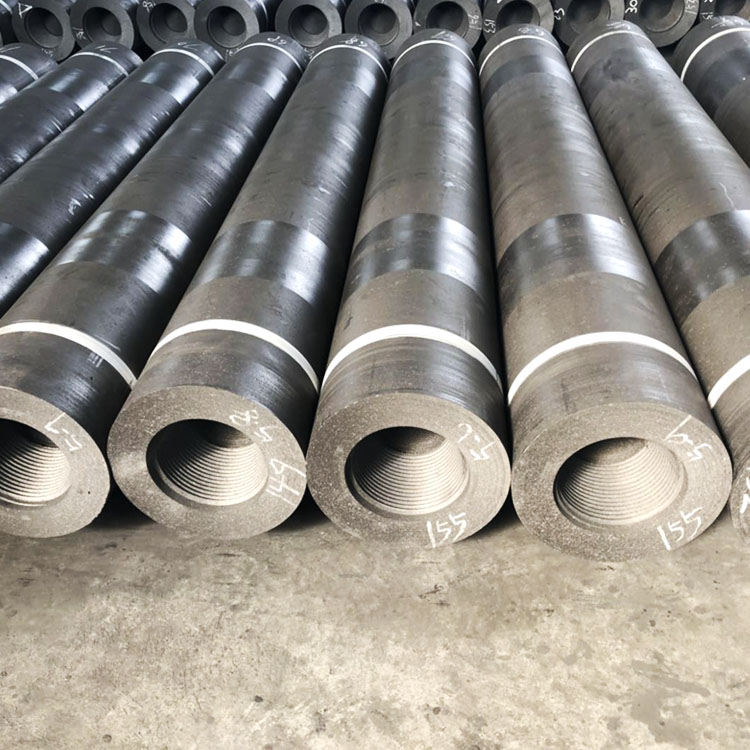
The three primary failure modes stem from interconnected physical mechanisms that often act in combination:
Rapid temperature changes (greater than 150°C/min) create thermal gradients exceeding 200°C across the electrode cross-section. This generates internal stresses up to 14 MPa, approaching the material's fracture strength. Continuous thermal cycling leads to fatigue damage accumulation at a rate of approximately 0.7% per heat cycle.
At temperatures above 700°C, graphite oxidizes at a rate of 0.02-0.05 mm/hour, depending on oxygen partial pressure. This process can reduce electrode diameter by 3-5 mm over a typical campaign, weakening structural integrity and increasing electrical resistance by 12-18%.
Furnace charge impacts generate transient forces up to 50 kN, creating bending moments that exceed design limits. Analysis of failed electrodes shows that 41% exhibit impact-related damage patterns, particularly in operations with irregular scrap feeding practices.
Based on field data from over 80 steel plants implementing best practices, the following strategies have demonstrated significant improvements in electrode performance:
Controlling heating rates to below 100°C/min during startup and maintaining stable arc conditions can reduce thermal stress by 40-50%. Installing advanced temperature monitoring systems allows operators to detect abnormal thermal gradients before they cause damage. Plants implementing such systems have reported 22-28% reduction in end spalling incidents.
Implementing torque-controlled joint make-up (280-320 Nm for standard connections) and establishing regular re-torquing schedules can reduce joint-related failures by 65%. The Sunrise electrode installation guide recommends a three-step torque verification process that has proven effective in extending joint life by an average of 35% in independent trials.
Real-time monitoring systems utilizing acoustic emission and infrared thermography can detect incipient failures up to 8 hours before catastrophic failure occurs. This provides valuable time for planned intervention, reducing unplanned downtime by an average of 70% according to industry case studies.
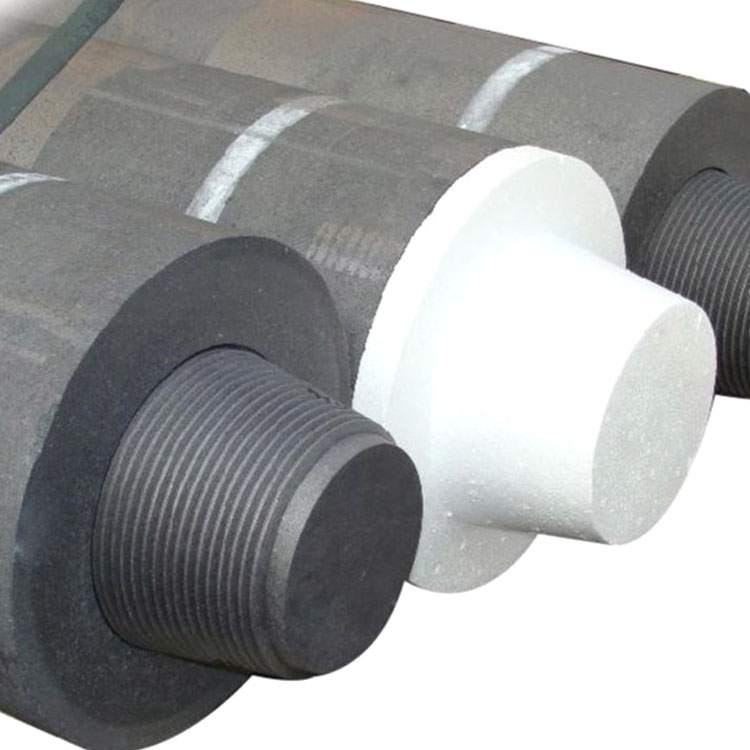
Discover how Sunrise high power graphite electrodes, combined with our proprietary installation and maintenance protocols, can help your operation reduce costs and improve furnace availability.
Our team of metallurgical engineers will analyze your specific operating conditions and provide tailored recommendations for maximum electrode performance.
A major steel producer in the Midwest implemented a comprehensive electrode management program incorporating the strategies outlined above. Over a 12-month period, the results were impressive:
These results demonstrate the significant impact that proper electrode management can have on overall EAF performance and profitability. By addressing the root causes of common failure modes and implementing proactive maintenance strategies, steel producers can achieve substantial operational improvements.