"Graphite electrode failures account for up to 42% of unplanned downtime in electric arc furnace operations, resulting in an average production loss of $12,000 per hour, according to the International Steel Association's 2023 Metallurgical Equipment Reliability Report."
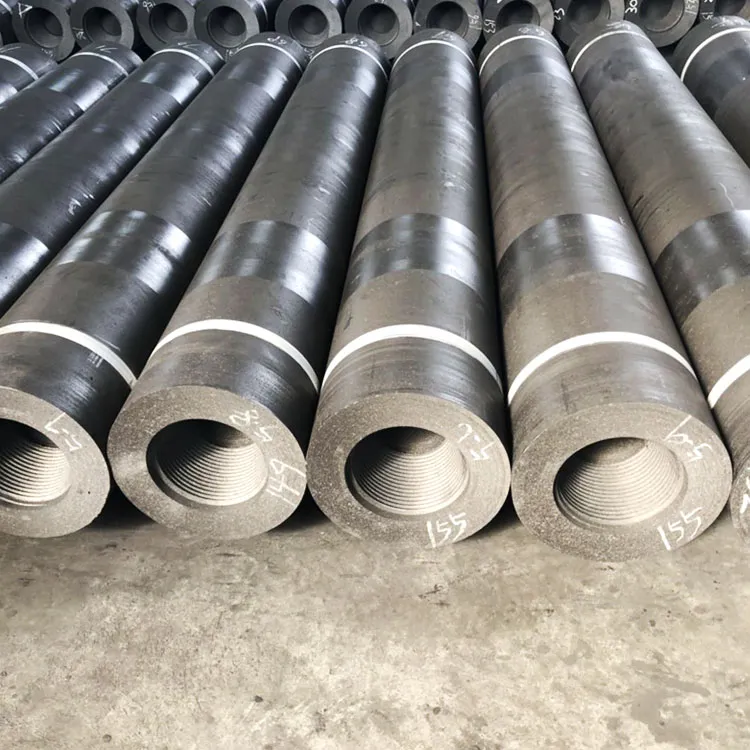
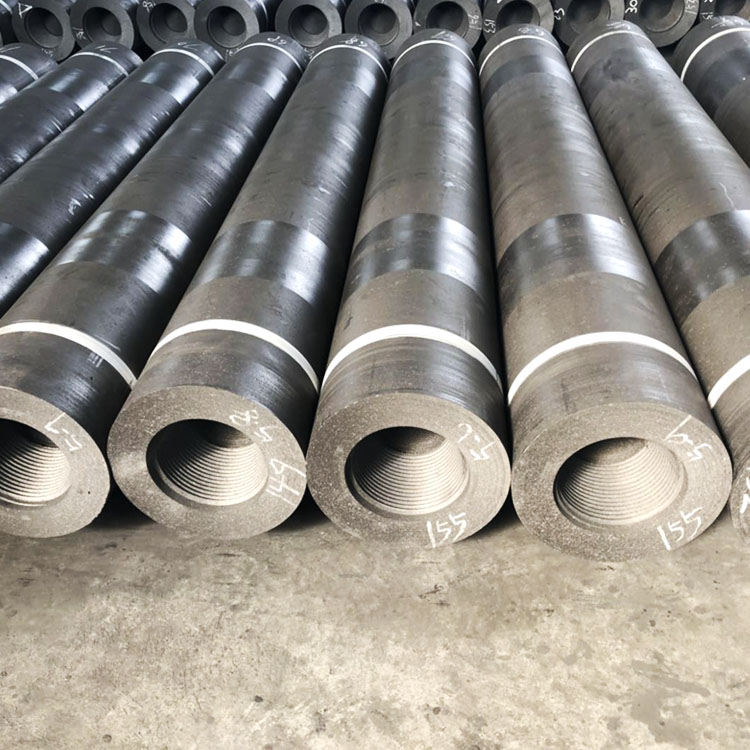
For steelmakers and foundry operators, high-power graphite electrodes represent both the heart of electric arc furnace (EAF) operations and a significant operational challenge. These critical components, operating at temperatures exceeding 3000°C, face relentless thermal stress, mechanical strain, and chemical attack that can lead to premature failure. Understanding the root causes behind common failure modes isn't just about equipment maintenance—it's about protecting your production schedule, controlling costs, and ensuring workplace safety.
Field data from over 500 EAF operations worldwide reveals three primary failure modes that account for 87% of graphite electrode replacements:
Characterized by flaking or chipping at the electrode tip, this failure typically occurs within the first 15% of electrode service life. Microstructural analysis shows that thermal shock during rapid temperature changes creates internal fractures that propagate under arc pressure.
Longitudinal or transverse cracks developing along the electrode body often result from uneven cooling or improper clamping. These defects can reduce electrode strength by up to 40% and frequently lead to catastrophic breakage during tapping operations.
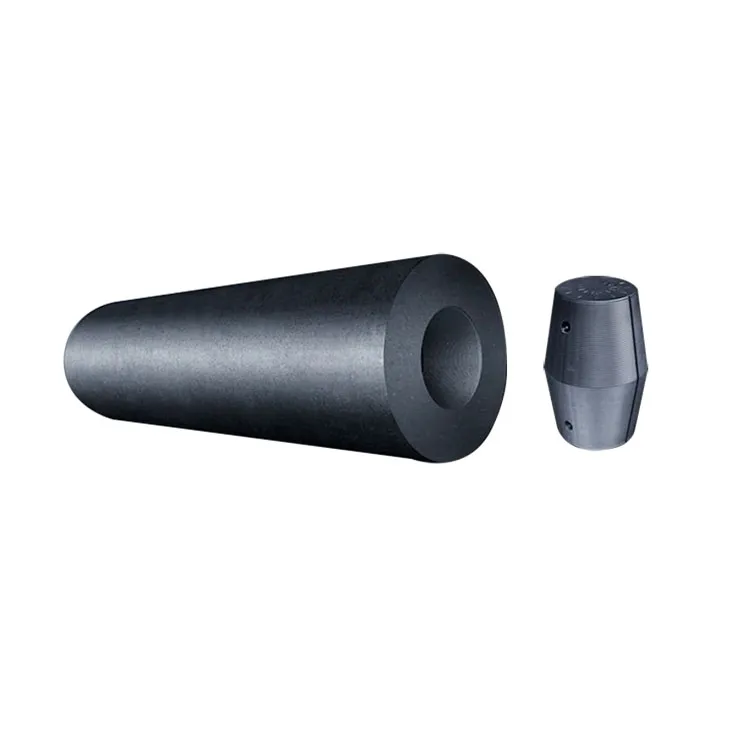
Accounting for 38% of all electrode-related downtime, connection failures occur when improper torque application or thermal expansion creates gaps between electrode segments, leading to arcing, overheating, and joint fracture.

To effectively prevent failures, we must first understand the physical mechanisms at work. Graphite electrodes face a triple threat during EAF operations:
Rapid heating rates (often exceeding 100°C per minute during furnace start-up) create extreme temperature gradients within the electrode structure. According to ASTM C749 standards, this thermal shock generates internal stresses exceeding 25 MPa—approaching the ultimate tensile strength of conventional graphite materials. The resulting micro-cracks provide pathways for oxidation and further degradation.
At temperatures above 700°C, graphite reacts with oxygen, carbon dioxide, and water vapor to form CO and CO₂. Laboratory tests show that unprotected graphite can lose up to 0.12 mm of surface material per hour under typical EAF conditions. This oxidation not only reduces electrode diameter but also weakens the structural integrity of the material.
Electrodes endure significant mechanical stress from arc pressure (reaching 15 kPa), electrode column weight (often exceeding 2 tons for large diameter electrodes), and vibration during charging and tapping. Over time, this cyclic loading leads to fatigue failure, particularly at stress concentration points like the connection threads.
Leading steel producers have implemented targeted solutions that have increased electrode service life by 35-50% while reducing failure-related downtime by up to 60%. These practical approaches address both operational practices and material selection:
Controlling heating rates is critical. A leading European steelmaker reduced end spalling by 47% by implementing a gradient heating program that limited initial temperature rise to 50°C per minute. Similarly, optimizing cooling water flow rates (maintaining 2-3 m/s velocity in cooling channels) has been shown to reduce sidewall cracking by up to 38% in medium-sized EAF operations.
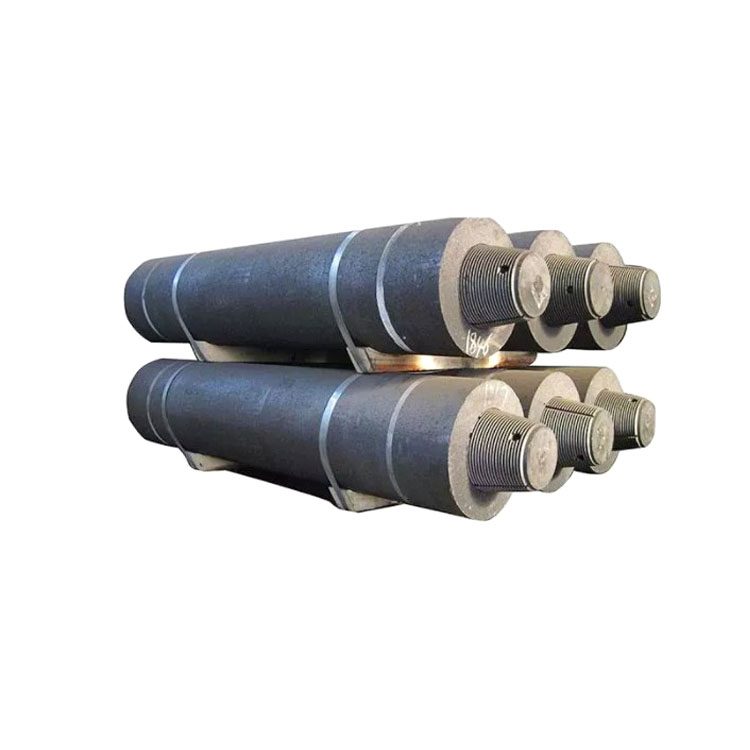
Not all graphite electrodes are created equal. Sunrise high-power graphite electrodes, featuring proprietary composite formulations and precision 2800°C graphitization, demonstrate 23% higher thermal shock resistance compared to standard industry products. The unique microstructure, developed through advanced processing techniques, provides superior resistance to both oxidation and mechanical fatigue.
Preventive maintenance shouldn't be a reactive process. Implementing a structured electrode health management system allows for early detection of potential issues before they lead to failures. Key components include:
Regular Inspection Protocol
Weekly visual and dimensional checks using calibrated tools to detect early signs of wear or damage
Performance Tracking
Recording electrode service life, failure modes, and operating conditions to identify improvement opportunities
Operator Training
Comprehensive training programs focusing on proper handling, installation, and early failure recognition
By combining these operational strategies with advanced electrode technology, forward-thinking metal producers have transformed their approach to electrode management from reactive replacement to proactive optimization. The results speak for themselves: reduced costs, improved productivity, and enhanced operational stability.
Discover how Sunrise advanced graphite electrode solutions can reduce your failure rates by up to 50% while extending service life.
Get Your Customized Electrode SolutionEvery steel producer faces unique challenges based on furnace design, operating practices, and production goals. The most successful operations recognize that electrode management is not just a maintenance issue but a strategic component of their overall production efficiency. By implementing the insights and strategies outlined here, you can turn electrode performance from a potential liability into a competitive advantage.