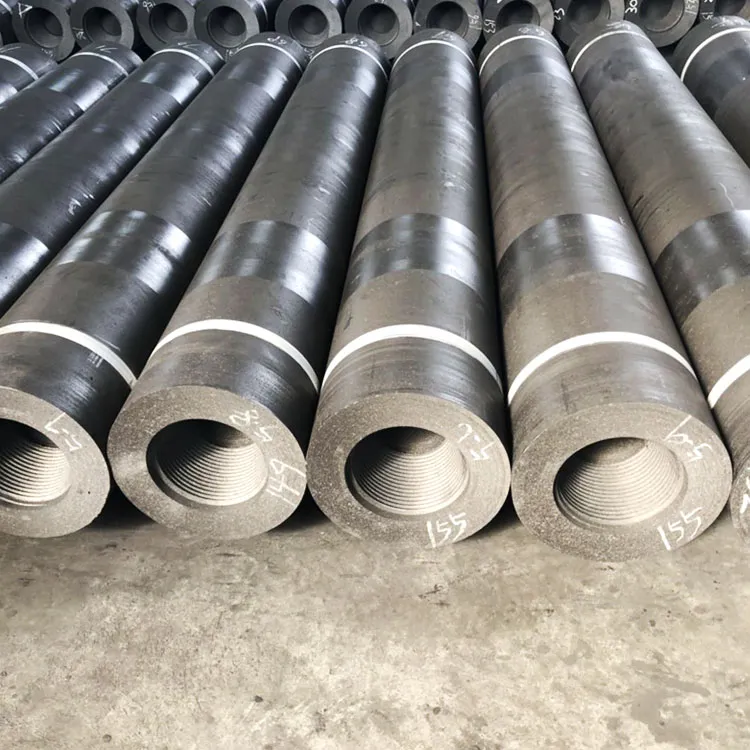
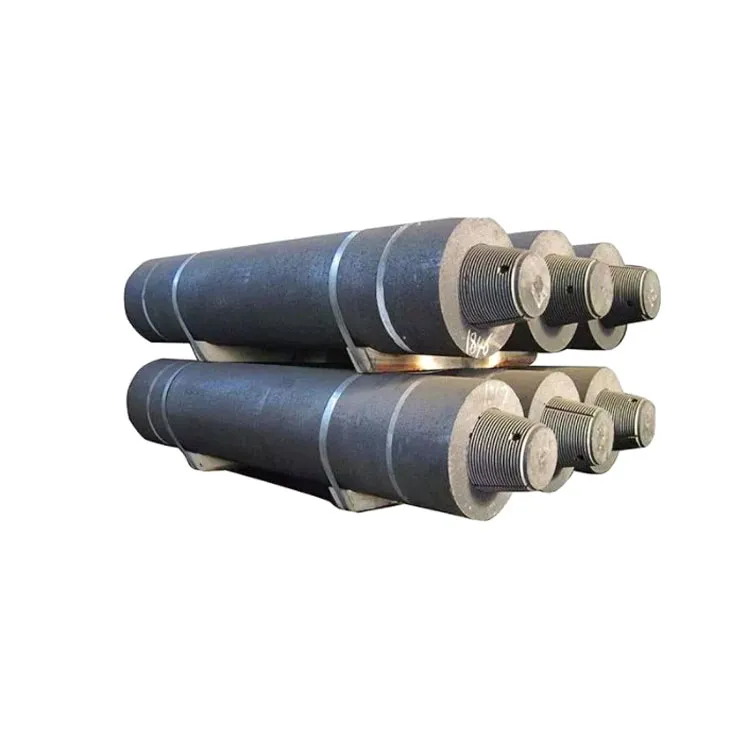
In the continuous operation of electric arc furnaces, high-power graphite electrodes are crucial components. However, they often encounter various failure problems, which have a significant impact on production efficiency and cost control. This article will comprehensively analyze these issues and propose corresponding improvement strategies.
Common failure phenomena of high-power graphite electrodes include end spalling, sidewall cracks, and joint loosening. These problems can disrupt the continuity of production. For example, end spalling can lead to unstable arcing, reducing the melting efficiency of the arc furnace. Sidewall cracks may cause the electrode to break during operation, resulting in unplanned shutdowns. Joint loosening can lead to poor electrical contact, increasing energy consumption. According to industry statistics, these failures can reduce production efficiency by up to 20% and increase production costs by 15%.
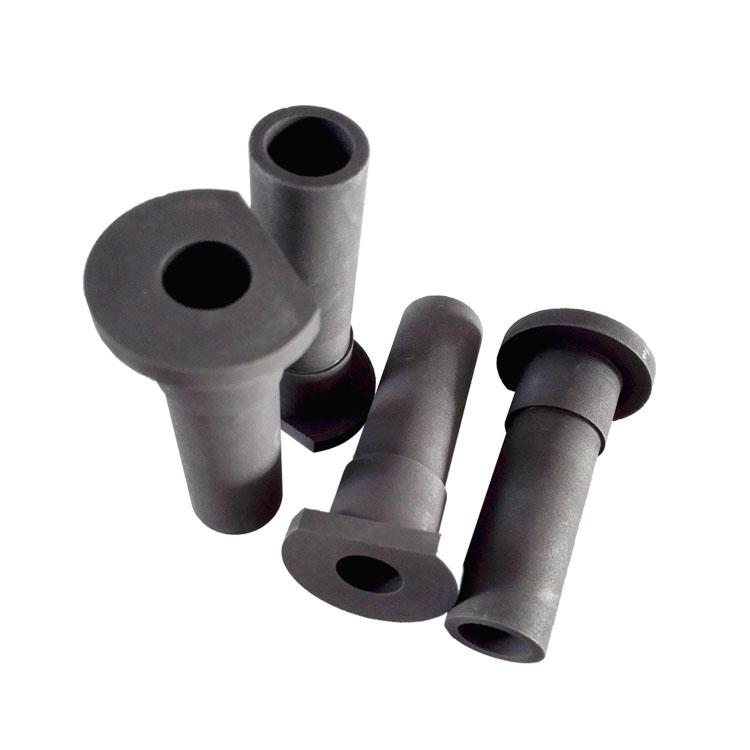
There are three core mechanisms behind these failures: thermal stress concentration, intensified oxidation corrosion, and mechanical impact damage. Thermal stress concentration occurs due to the rapid temperature changes during the operation of the arc furnace. The difference in thermal expansion coefficients between different parts of the electrode leads to internal stress, which can cause cracks. Oxidation corrosion is accelerated in high-temperature and oxygen-rich environments, gradually thinning the electrode and weakening its structure. Mechanical impact damage is mainly caused by the vibration and collision during the operation of the arc furnace, which can lead to joint loosening and end spalling.
Several key process factors contribute to these failures. Rapid heating can cause excessive thermal stress, leading to cracks. Uneven clamping force can cause local stress concentration, accelerating electrode wear. Insufficient cooling can increase the temperature of the electrode, promoting oxidation corrosion. Improper operating habits, such as rough handling during installation, can also cause mechanical damage to the electrode.
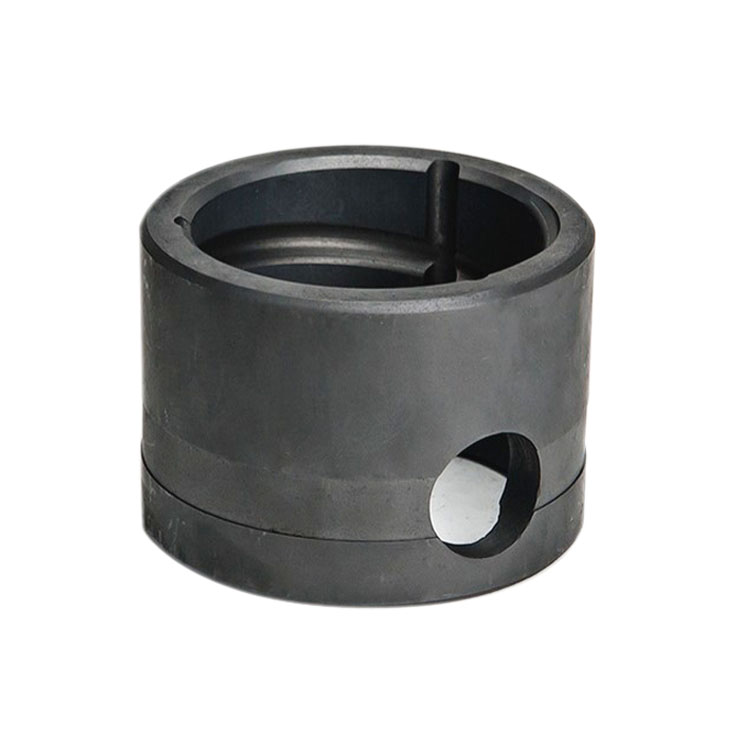
Improper operating parameters, such as rapid heating, uneven clamping force, insufficient cooling, and poor operating habits, are also important factors leading to electrode failure. For instance, if the heating rate is too fast, the internal stress of the electrode will increase significantly, increasing the risk of cracking. Uneven clamping force can cause local stress concentration, accelerating the wear of the electrode. Insufficient cooling will lead to an increase in electrode temperature, intensifying oxidation and corrosion. Poor operating habits, such as rough handling during installation, can also cause mechanical damage to the electrode.
had been experiencing frequent electrode failures. After a detailed analysis, it was found that the main reason was the rapid heating rate during the startup of the arc furnace. By adjusting the heating rate according to the recommended values in international standards, the electrode failure rate was reduced by 30% within three months.
To address these problems, several improvement strategies can be adopted. First, optimizing the heating rate can reduce thermal stress. Second, balanced management of clamping force can prevent local stress concentration. Third, strengthening the cooling system can lower the electrode temperature and reduce oxidation corrosion. Fourth, applying online monitoring technology can detect potential problems in time. According to practical applications, these measures can effectively improve the service life of electrodes. For example, by implementing a comprehensive improvement plan in a steel plant, the service life of graphite electrodes was increased by 25%, and the non - planned shutdown risk was reduced by 40%.
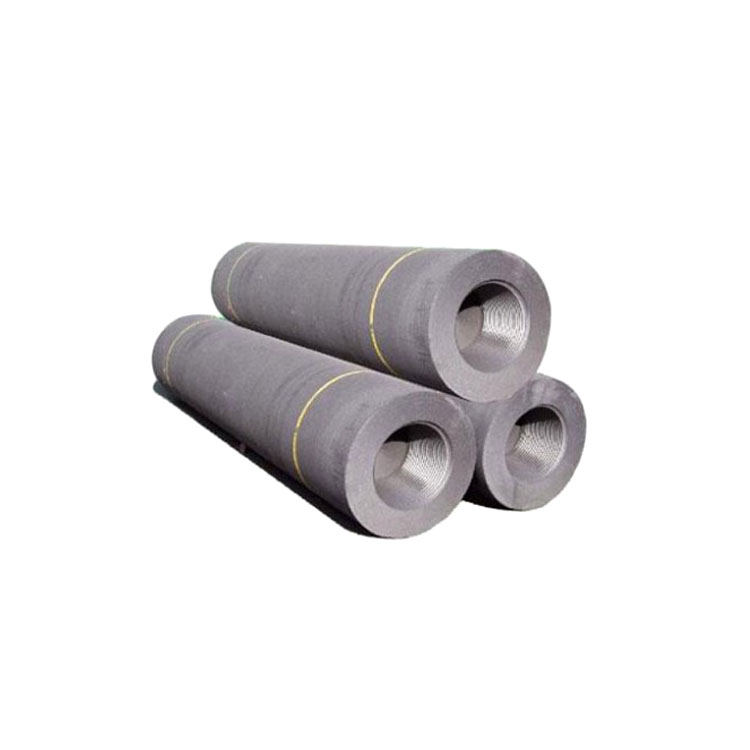
Establishing an electrode health assessment system is crucial for preventive maintenance. By monitoring parameters such as temperature, vibration, and electrical conductivity, the health status of the electrode can be evaluated in real - time. This allows for timely replacement or repair, reducing the risk of sudden failures. Combining international standards and actual production data, a scientific electrode health assessment model can be established to guide preventive maintenance work.
Data - driven decision - making is essential in electrode management. By collecting and analyzing data on electrode operation, such as temperature distribution, wear rate, and failure frequency, more accurate improvement strategies can be formulated. Using charts and microscopic images to present data can enhance the credibility of decision - making. For example, temperature distribution curves can clearly show the temperature changes of the electrode during operation, helping to identify potential problems.
We offer customized high - power graphite electrodes and professional technical support services. Our electrodes are designed to meet the specific needs of different customers, and our technical support team can provide on - site guidance and after - sales service. By choosing our products and services, customers can achieve stable and efficient smelting. To learn more about our customized solutions, please visit our electrode selection guide.