As an EAF operator or procurement decision-maker, you're constantly seeking ways to optimize efficiency while maintaining production quality. Did you know that the right graphite electrode can reduce your energy consumption by 5-8%? In today's competitive steel industry, this translates to hundreds of thousands of dollars in annual savings and a significant reduction in your carbon footprint.
"Energy costs account for 25-30% of total production expenses in electric arc furnace steelmaking. Optimizing electrode conductivity represents one of the most cost-effective ways to improve energy efficiency." — International Iron and Steel Institute, 2023
At the heart of energy efficiency in EAF operations lies a fundamental electrical principle: lower resistivity equals lower energy loss. When electricity passes through a graphite electrode, some energy converts to heat through resistance – this is unavoidable. However, high-quality graphite electrodes with optimized conductivity can minimize this waste.
Consider this: an electrode with 8 μΩ·m resistivity will lose significantly less energy than one with 12 μΩ·m resistivity under the same operating conditions. Over a typical 8-hour melting cycle, this difference can result in energy savings of 150-200 kWh per heat – adding up to thousands of dollars annually for a medium-sized EAF operation.
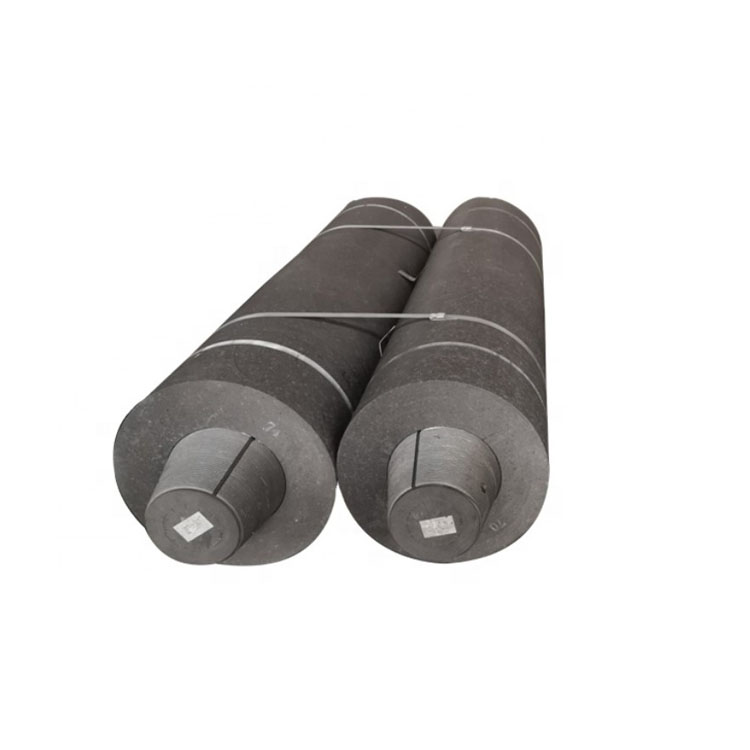
The journey to superior conductivity begins with raw material selection. Have you ever wondered why some electrodes perform consistently better than others in the same operating environment? The answer often lies in whether the manufacturer uses needle coke or petroleum coke as the primary raw material.
Needle coke, with its highly ordered crystalline structure, provides a more efficient path for electron flow compared to petroleum coke. This structural advantage results in resistivity values 15-20% lower than standard petroleum coke-based electrodes. While needle coke comes at a higher initial cost, the energy savings typically offset this investment within 3-6 months of operation.
| Electrode Type | Typical Resistivity (μΩ·m) | Relative Energy Efficiency |
|---|---|---|
| Standard Petroleum Coke | 11-13 | Base (100%) |
| Premium Petroleum Coke | 9-11 | 108-115% |
| Needle Coke | 7-9 | 120-135% |
Beyond raw materials, manufacturing processes play a crucial role in electrode performance. Two key processes stand out as game-changers for conductivity optimization:
Graphitization – the process of heating coke to extremely high temperatures – rearranges carbon atoms into a more ordered structure. While most manufacturers graphitize at 2800-3000°C, precise control of temperature ramp rates and hold times can further improve crystalline alignment. Modern facilities utilizing computer-controlled graphitization furnaces can achieve 5-8% better conductivity than conventional processes.
Premium electrodes undergo multiple impregnation cycles where pitch is forced into the electrode's internal pores under high pressure and temperature. This process reduces porosity by up to 40%, creating a more continuous path for electron flow. The result? Resistivity decreases by an additional 10-12% compared to non-impregnated electrodes.
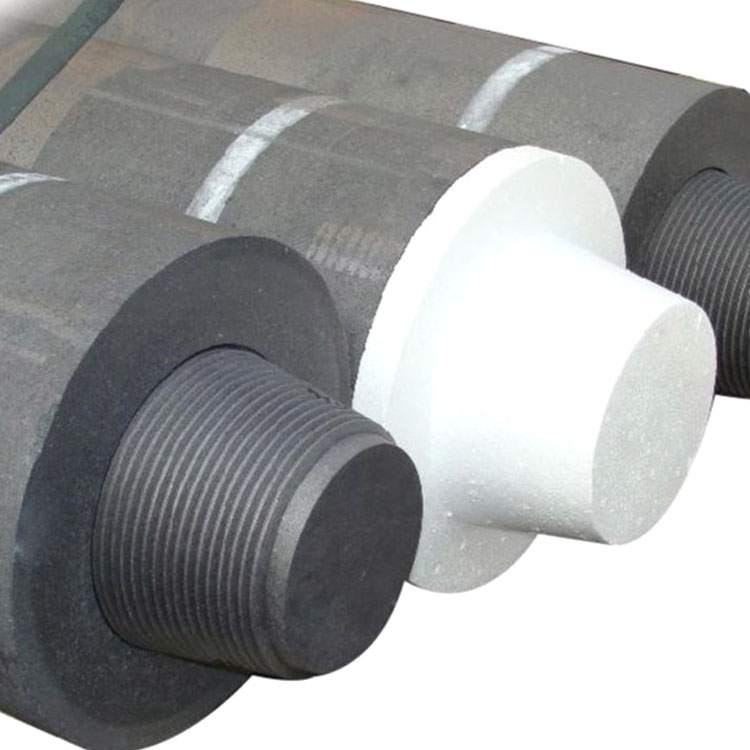
Consider the experience of a European steel producer operating a 150-ton EAF. Facing rising energy costs, they switched from standard petroleum coke electrodes to Sunrise high-conductivity needle coke electrodes. Within the first three months:
Perhaps most notably, the mill reported fewer electrode breakages and reduced downtime, further enhancing overall productivity. Have you experienced similar challenges with electrode performance in your operations?
Choosing the optimal electrode involves balancing several factors specific to your operation:
Larger furnaces (100+ tons) typically benefit more from premium high-conductivity electrodes due to higher energy throughput.
Operations running at >70% of maximum amperage should prioritize lower resistivity to minimize energy loss.
Longer smelting cycles increase the cumulative energy savings from high-conductivity electrodes.
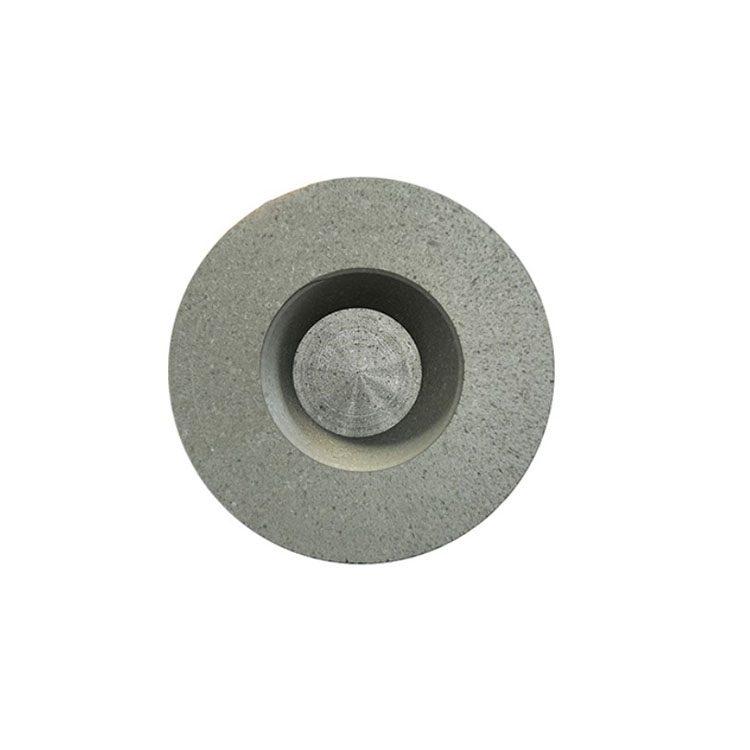
Sunrise high-conductivity graphite electrodes have been validated in steel mills across 30+ countries, delivering consistent energy savings and performance improvements.
Get Your Custom Energy-Saving AnalysisOur technical team will evaluate your specific EAF parameters and provide a detailed projection of potential savings
As energy costs continue to fluctuate and environmental regulations tighten, optimizing every aspect of your EAF operation becomes increasingly critical. The graphite electrode – often overlooked as a passive component – represents a significant opportunity for efficiency gains and cost reduction. By prioritizing conductivity in your electrode selection, you're not just purchasing a component; you're investing in a more sustainable, profitable operation.