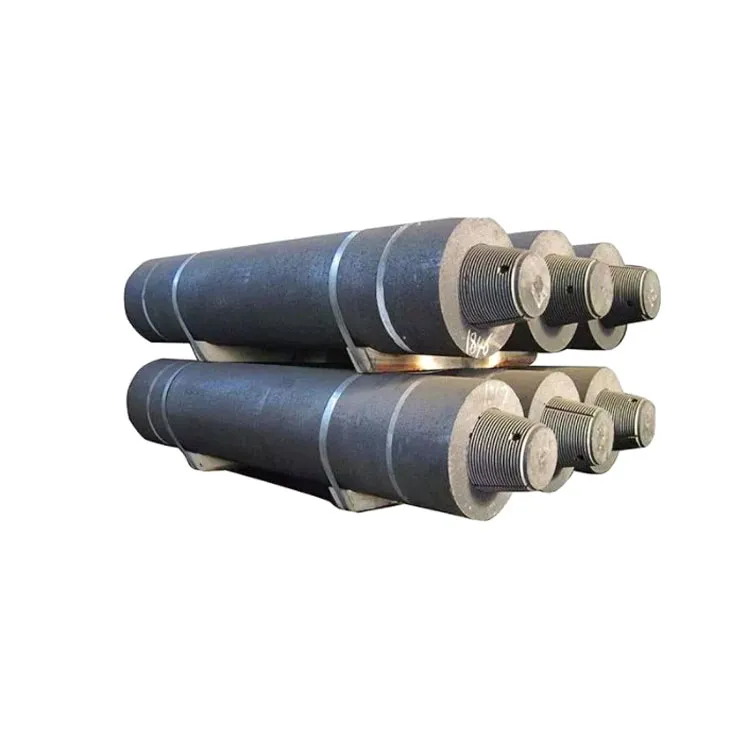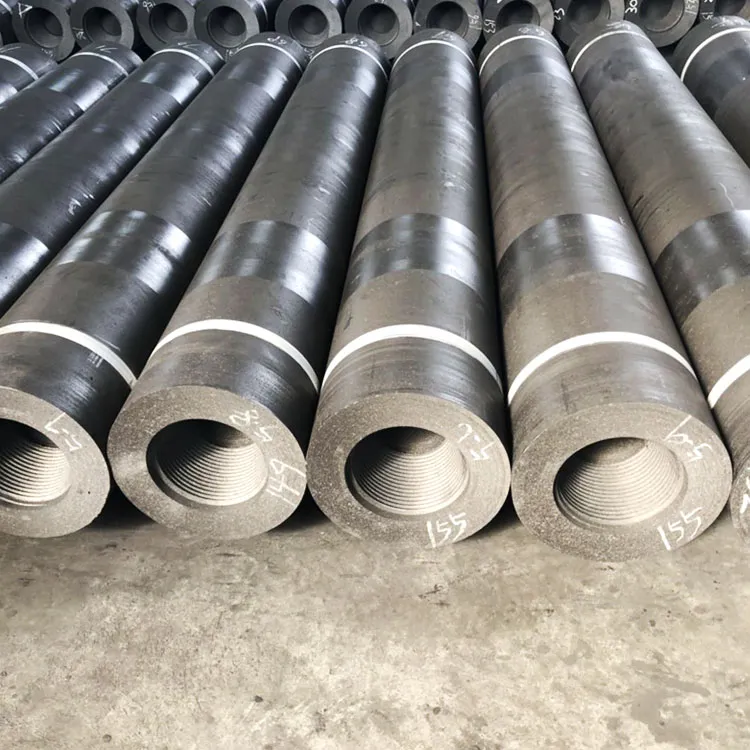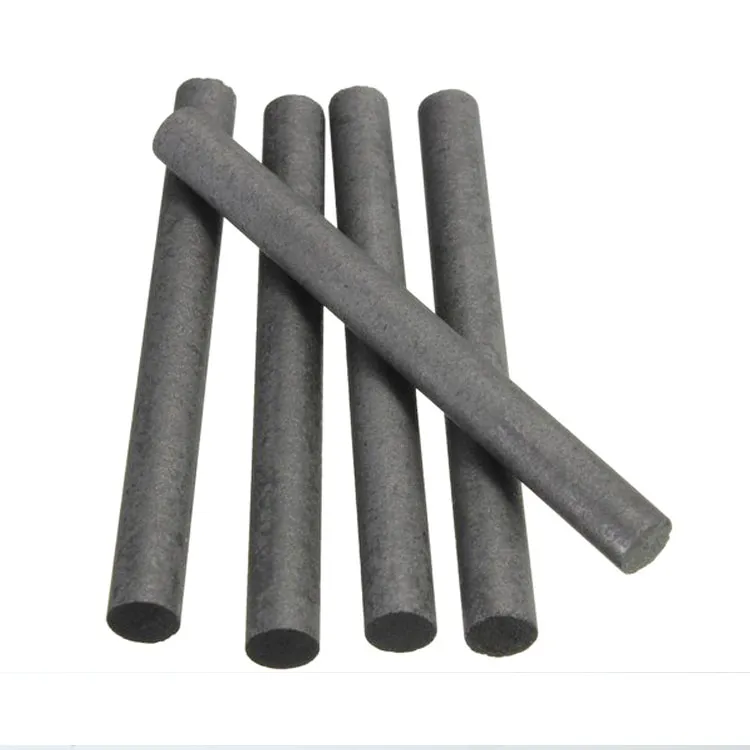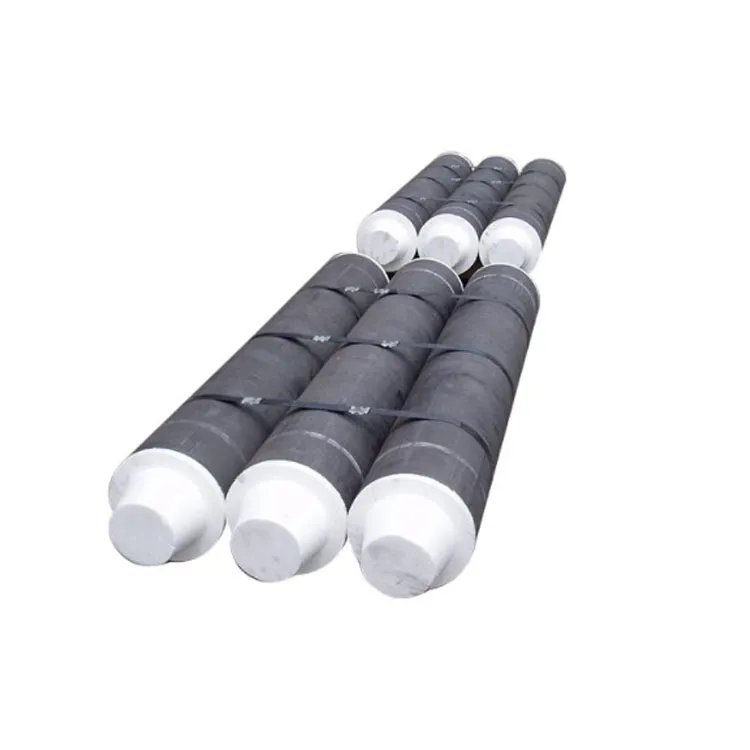
In today's competitive steel industry, energy efficiency has become a defining factor for operational success and environmental compliance. Electric Arc Furnace (EAF) operators worldwide are continuously seeking ways to reduce specific energy consumption while maintaining productivity. One often overlooked yet crucial component in this equation is the graphite electrode—specifically, its electrical conductivity properties. Recent industry studies indicate that upgrading to high conductivity graphite electrodes can reduce energy consumption by 5-8% per ton of steel produced, translating to significant cost savings and carbon footprint reduction.
"The relationship between electrode conductivity and energy efficiency is direct and measurable. For every 10% reduction in electrode resistivity, EAF operators typically see a 3-4% decrease in electrical energy consumption." — International Iron and Steel Institute, 2023
The fundamental principle linking graphite electrode conductivity to energy efficiency lies in Ohm's Law. When electrical current passes through an electrode with higher resistivity, more energy is converted into waste heat rather than contributing to the melting process. High conductivity electrodes, characterized by lower resistivity values (typically 8-12 μΩ·m for premium grades), minimize this energy loss pathway.
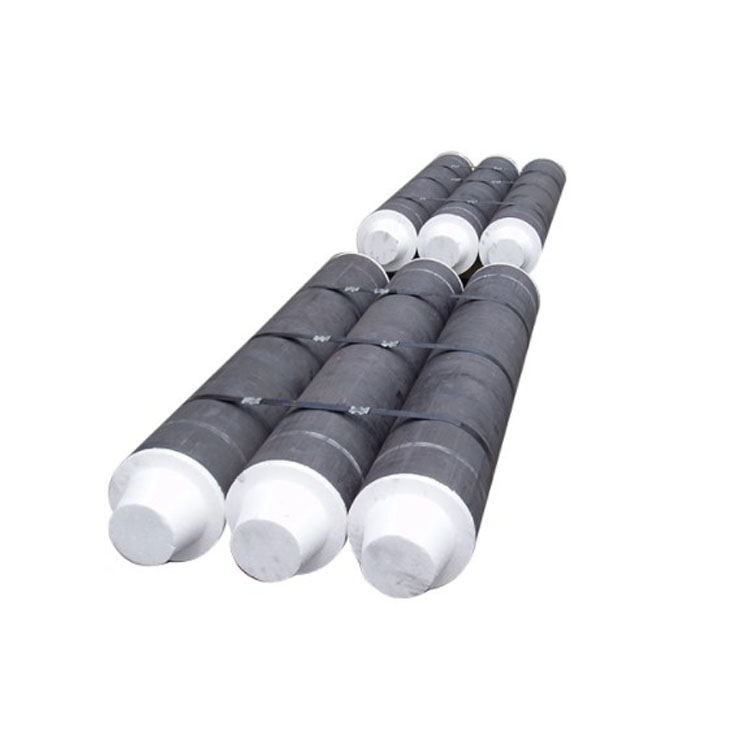
This heat loss manifests in two primary ways: joule heating within the electrode itself and inefficient arc formation. Both phenomena not only waste energy but also contribute to premature electrode wear and potential process disruptions. Modern EAF operations with advanced power supply systems are particularly sensitive to electrode conductivity, as they operate at higher currents and power levels.
The conductive properties of graphite electrodes begin with raw material selection. Needle coke and petroleum coke represent the two primary feedstocks, each offering distinct performance characteristics:
The selection between these materials involves balancing performance requirements with cost considerations. For high-power EAF operations (above 100 MVA), the efficiency gains from needle coke electrodes typically offset the higher initial investment within 3-6 months of operation.
Beyond raw materials, manufacturing processes play a critical role in developing maximum conductivity. Two key processes stand out:
The graphitization process, where carbon atoms are rearranged into a crystalline structure, is temperature-dependent. Operating at temperatures between 2800-3200°C promotes the growth of larger graphite crystals, reducing resistivity. Modern facilities utilize computer-controlled graphitization furnaces to maintain precise temperature profiles, ensuring consistent conductivity across electrode batches.
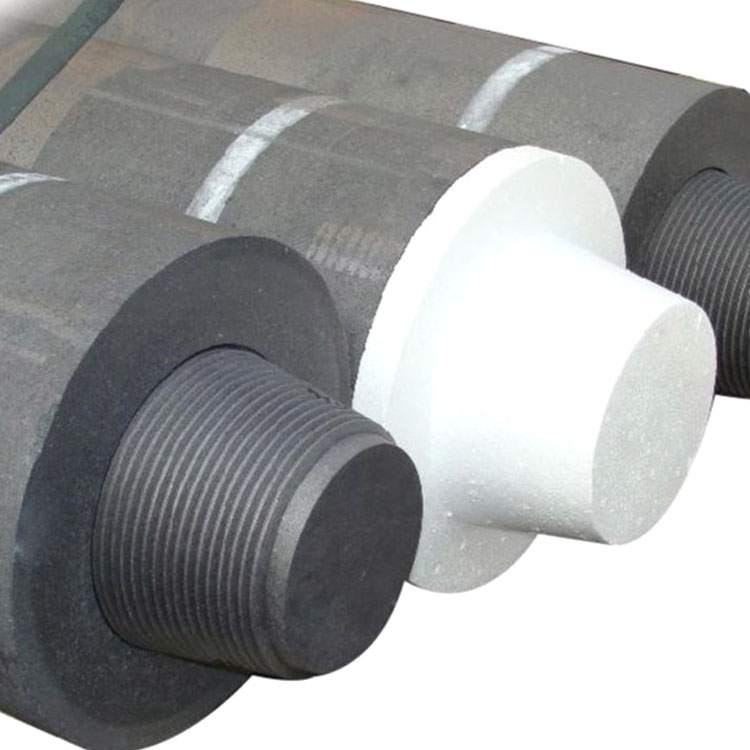
High-quality graphite electrodes often undergo multiple impregnation cycles with coal tar pitch, followed by secondary baking. This process fills internal pores, increasing density and reducing electrical resistance. Premium electrodes may include up to three impregnation cycles, resulting in density values exceeding 1.75 g/cm³ and improved mechanical strength.
Selecting the optimal graphite electrode requires careful evaluation of specific EAF parameters and production goals. Consider the following factors:
A leading European steel producer recently documented their experience after switching to high-conductivity electrodes. By upgrading from standard petroleum coke electrodes to premium needle coke-based products, they achieved a 6.2% reduction in specific energy consumption and extended electrode life by 18%, resulting in annual savings of approximately €420,000 for a single 150-ton EAF.
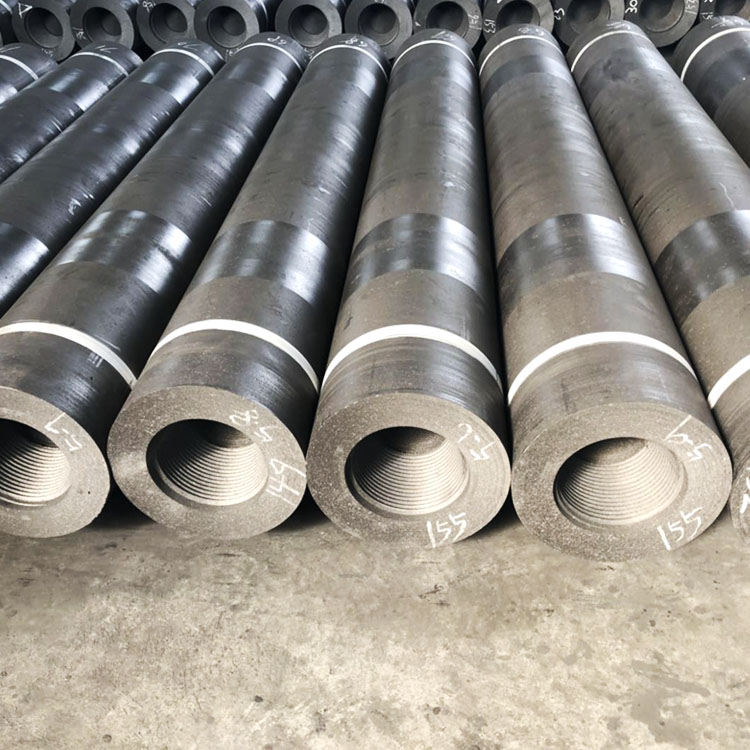
While energy efficiency is often the primary motivation for upgrading graphite electrodes, additional operational benefits frequently follow: improved arc stability reduces process fluctuations, leading to more consistent steel quality; reduced electrode consumption lowers handling requirements and associated labor costs; and decreased heat loss creates a more comfortable working environment around the EAF.
For over two decades, Sunrise has been at the forefront of graphite electrode technology, providing steel producers worldwide with solutions that balance performance, reliability, and cost-effectiveness. Our engineering team works closely with each customer to analyze their specific operational parameters and recommend the optimal electrode solution for their unique requirements.
Download our comprehensive Graphite Electrode Selection Guide and discover how the right electrode choice can reduce your energy costs while improving productivity.
Get Your Free Guide NowThe decision to invest in high-conductivity graphite electrodes represents more than a component upgrade—it's a strategic choice that impacts your bottom line, environmental performance, and competitive position in the global steel market. By understanding the critical relationship between electrode properties and EAF efficiency, you can make informed decisions that deliver sustainable value for years to come.