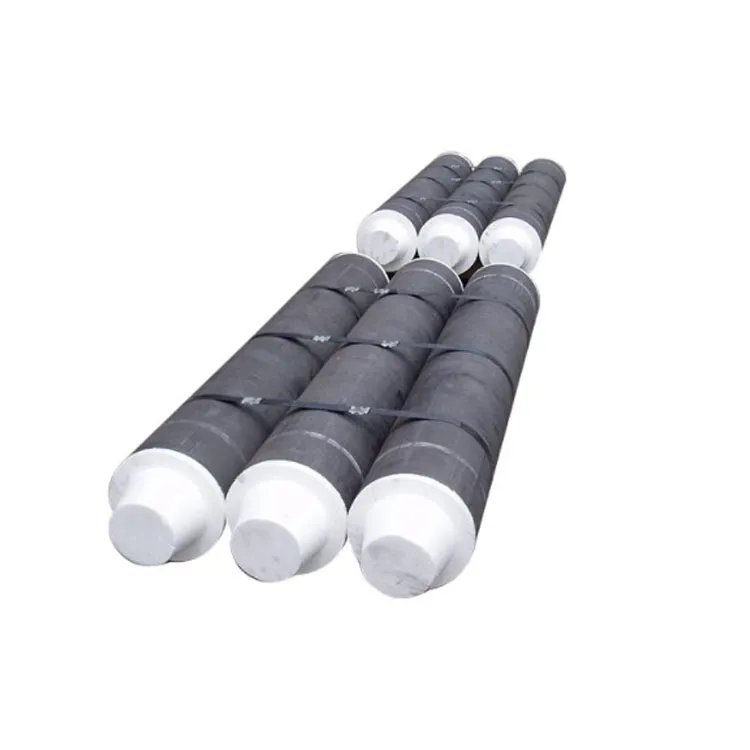
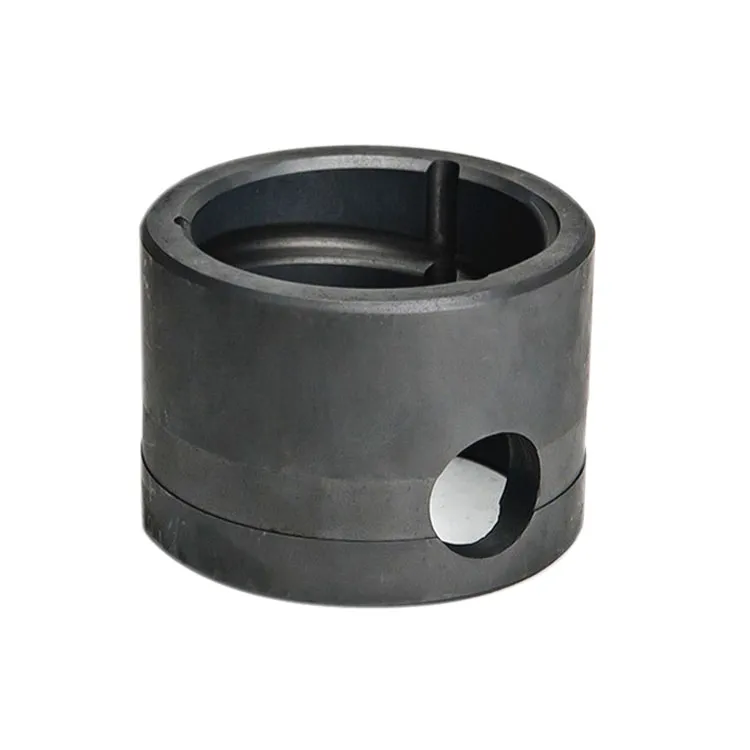
In the realm of spectral analysis, where precision can make or break research outcomes and industrial quality control, every component matters. Among these, the graphite roller core stands as a critical yet often overlooked element that directly impacts measurement accuracy and equipment longevity. This comprehensive guide explores the intricate process of selecting the right graphite roller core for your spectrometer, drawing on industry best practices and real-world applications.
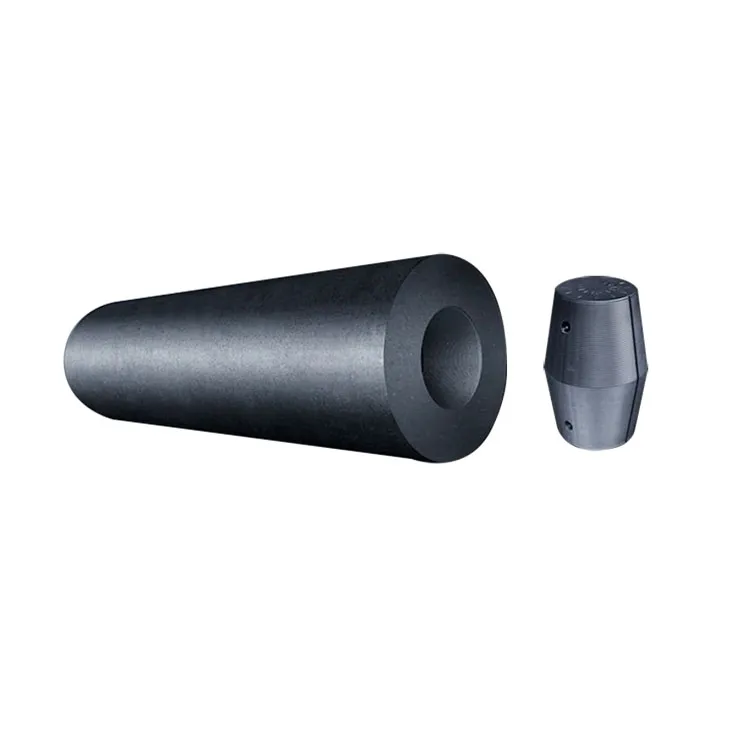
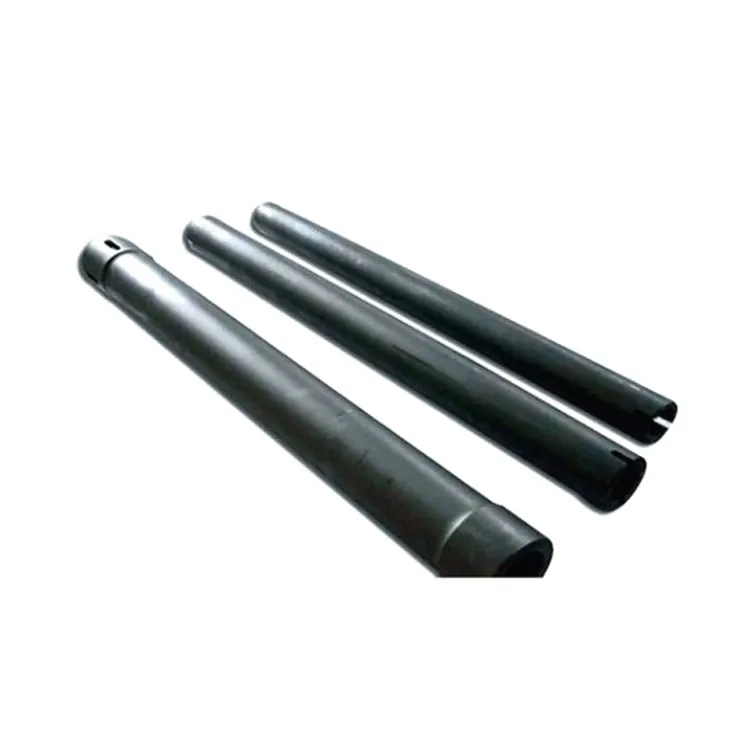
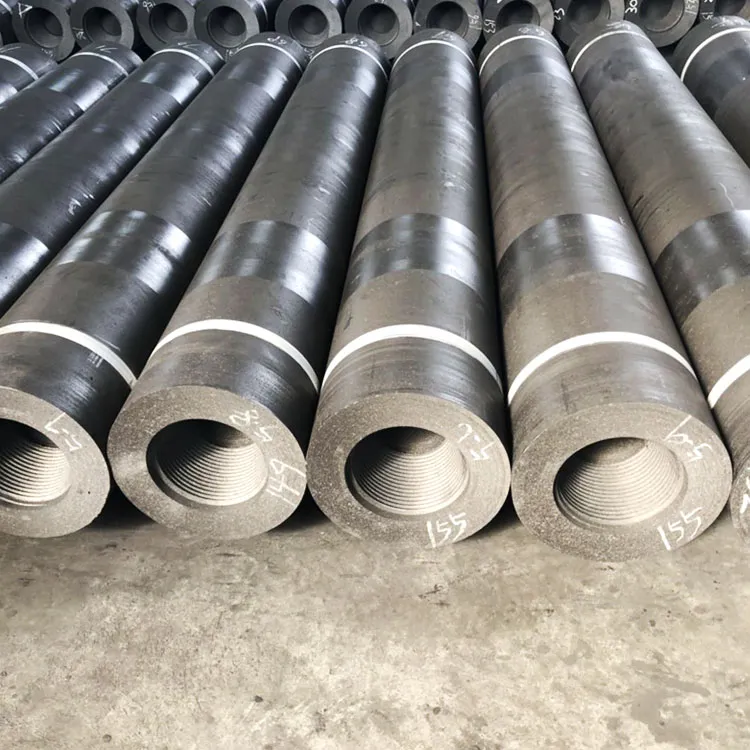
Graphite roller cores serve as the backbone for sample handling in modern spectrometers, providing the stability and precision required for consistent measurements. The unique properties of graphite—including thermal stability up to 3,000°C, low thermal expansion coefficient (approximately 4.5×10⁻⁶/°C), and excellent chemical resistance—make it ideal for this critical application. According to a 2023 industry survey, over 82% of high-precision spectrometers utilize graphite components for their sample handling mechanisms, a testament to the material's reliability in demanding analytical environments.
"The precision of spectral analysis begins with the mechanical stability of the sample positioning system. A suboptimal roller core can introduce measurement errors as small as 0.02nm, which, in critical applications, translates to significant analytical discrepancies." — Dr. Michael Chen, Materials Science Researcher at MIT
When evaluating graphite roller cores, three critical parameters demand attention:
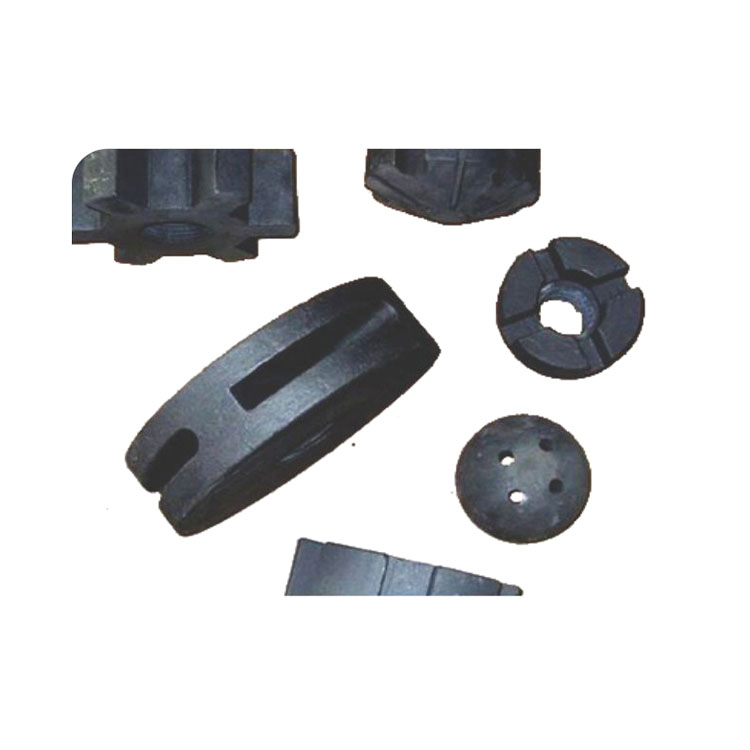
Different spectrometer manufacturers implement distinct sample handling mechanisms, each with unique requirements for roller core specifications. The following framework provides guidance for matching roller cores to popular spectrometer models:
| Spectrometer Brand | Recommended Core Diameter | Optimal Coating Type | Maximum Operating Temperature |
|---|---|---|---|
| Thermo Fisher Scientific | 12.7mm ±0.005mm | Pyrolytic Carbon | 450°C |
| PerkinElmer | 15.0mm ±0.005mm | Silicon Carbide | 500°C |
| Shimadzu | 10.0mm ±0.005mm | Nitride Coating | 400°C |
For custom or less common spectrometer models, Sunrise offers specialized graphite roller core solutions tailored to unique mechanical specifications. Their engineering team can reverse-engineer replacement components even when original equipment manufacturer specifications are unavailable, maintaining the critical tolerances required for precision spectral analysis.
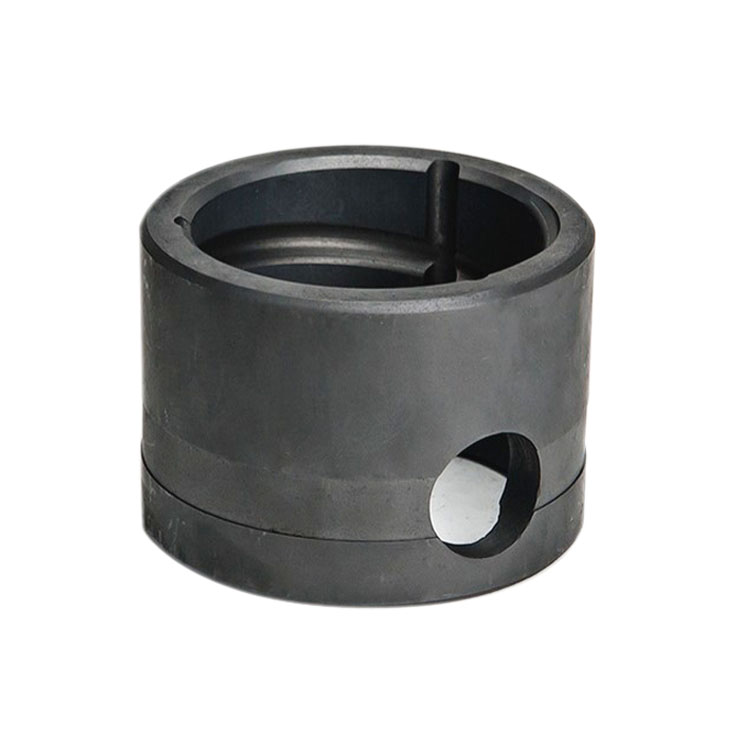
Laboratory environments present unique challenges to graphite roller core performance. Research indicates that relative humidity above 65% can accelerate oxidation of uncoated graphite surfaces by up to 300%. Similarly, temperature fluctuations greater than ±5°C within an hour can cause dimensional instability, potentially introducing measurement errors. Environmental control thus becomes paramount for maintaining optimal performance.
Proper maintenance can extend graphite roller core lifespan by 200-300% compared to neglected components. The following maintenance schedule has been validated through industrial case studies:
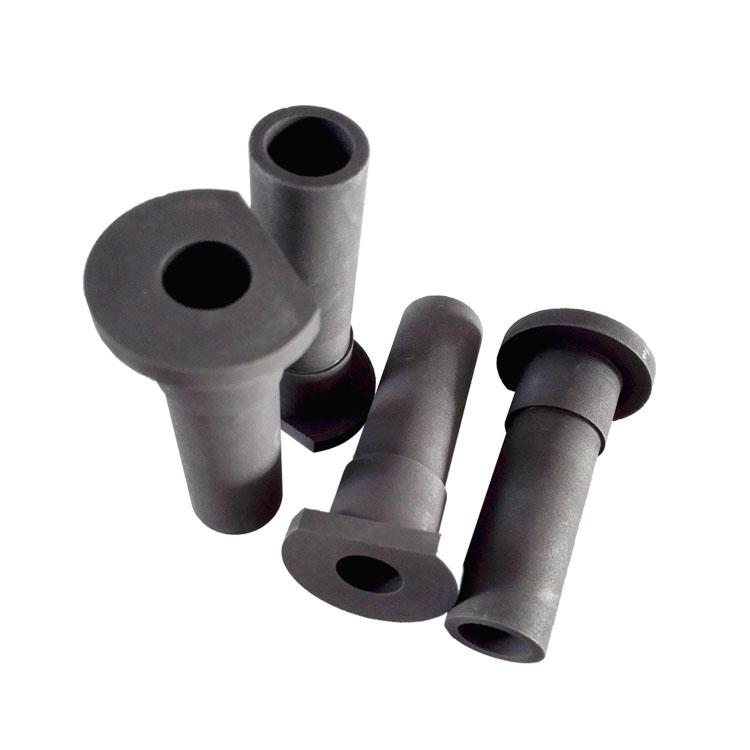
A leading pharmaceutical quality control laboratory recently upgraded their roller cores to Sunrise's precision graphite components, resulting in a 17% reduction in measurement variability and a 40% extension in maintenance intervals. Their experience mirrors industry data showing that proper roller core selection correlates directly with analytical consistency.
In another application, an automotive manufacturing plant struggling with frequent spectrometer downtime implemented a customized roller core solution, reducing unplanned maintenance by 65% and improving overall equipment effectiveness (OEE) from 68% to 89% within three months.
Discover how Sunrise's precision graphite roller cores can enhance your spectral analysis accuracy and equipment reliability. Our engineering team provides personalized recommendations based on your specific spectrometer model and application requirements.
Explore Custom Graphite Roller Core SolutionsSelecting the right graphite roller core represents an investment in analytical quality and operational efficiency. By understanding material properties, matching specifications to spectrometer requirements, implementing proper maintenance, and controlling environmental factors, laboratories and industrial facilities can achieve consistent, reliable spectral analysis results while minimizing downtime and replacement costs.
Each component in your analytical system plays a vital role in the quality of your results. The graphite roller core, though small in size, exerts a significant impact on the precision and reliability of your spectral measurements. Making informed selection decisions based on scientific principles and real-world performance data ensures that your investment in analytical equipment delivers maximum returns in data quality and operational efficiency.