In the realm of laboratory and industrial spectroscopy, precision is everything. Every component within your spectroscopy equipment plays a critical role in delivering accurate, reliable results—none more so than the graphite roller cores that ensure smooth sample movement and optimal instrument performance. With over 30% of spectroscopy equipment downtime attributed to roller-related issues according to industry studies, selecting the right graphite roller core becomes not just a technical decision, but a strategic one for maintaining operational efficiency.
Technical professionals must evaluate three critical factors: material stability under thermal stress, dimensional precision matching equipment specifications, and coating uniformity for consistent sample contact. Overlooking these factors can lead to a 15-20% decrease in measurement accuracy, according to research published in the Journal of Analytical Instrumentation.
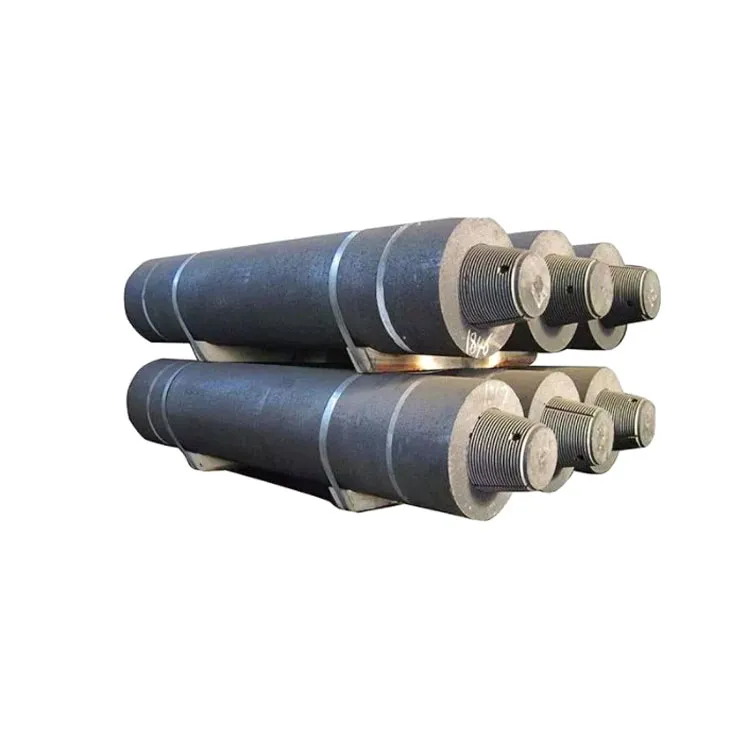
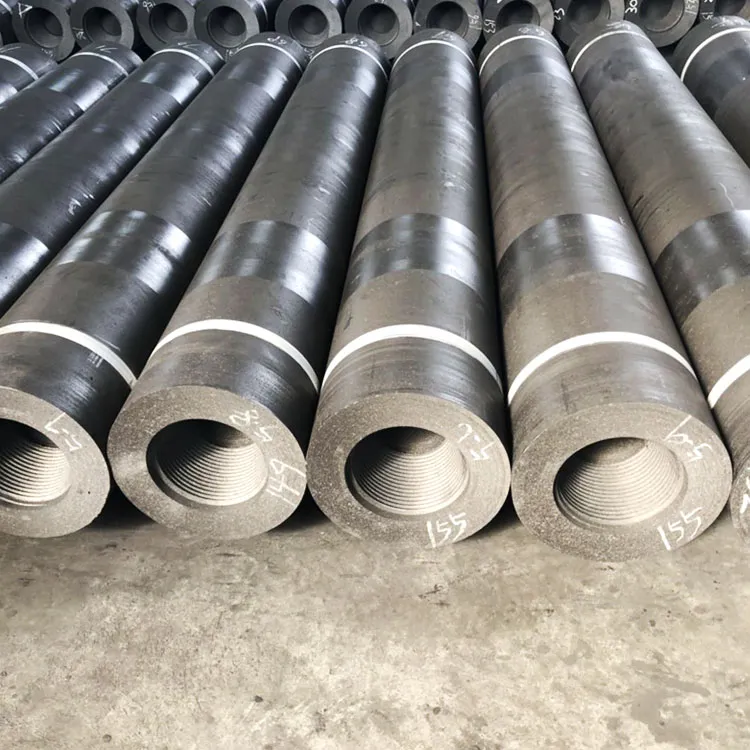
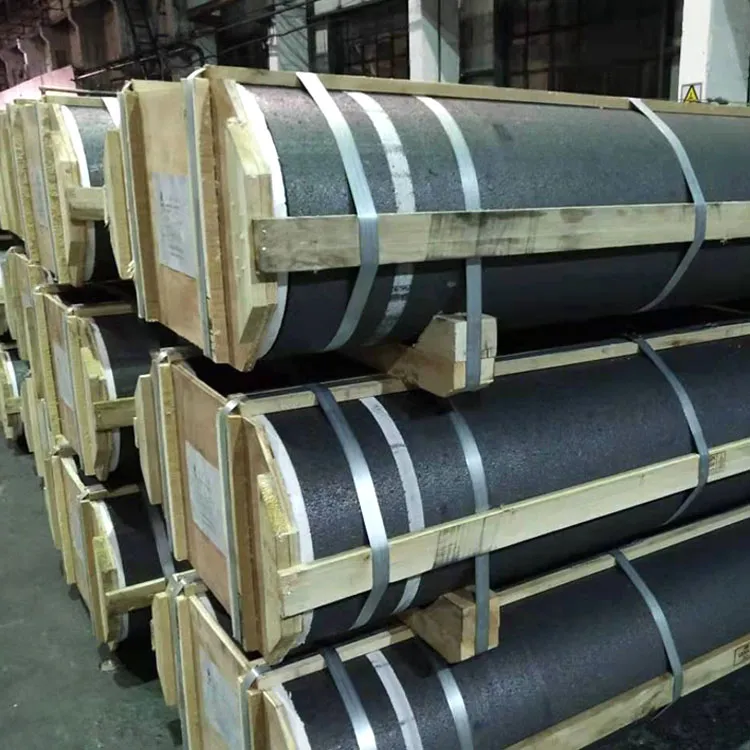
Graphite roller cores are not created equal. The material composition directly impacts performance metrics such as thermal conductivity, wear resistance, and mechanical stability. High-purity graphite (99.9% carbon content) offers superior thermal shock resistance, maintaining dimensional stability even when exposed to the temperature fluctuations common in spectroscopy applications.
Sunrise graphite roller cores utilize a proprietary formulation that balances hardness (85 Shore D) with sufficient flexural strength (45 MPa), ensuring minimal particle generation during operation—critical for maintaining clean optical paths in sensitive spectroscopy equipment. This careful material selection reduces maintenance requirements by up to 40% compared to standard graphite rollers, based on customer case studies.
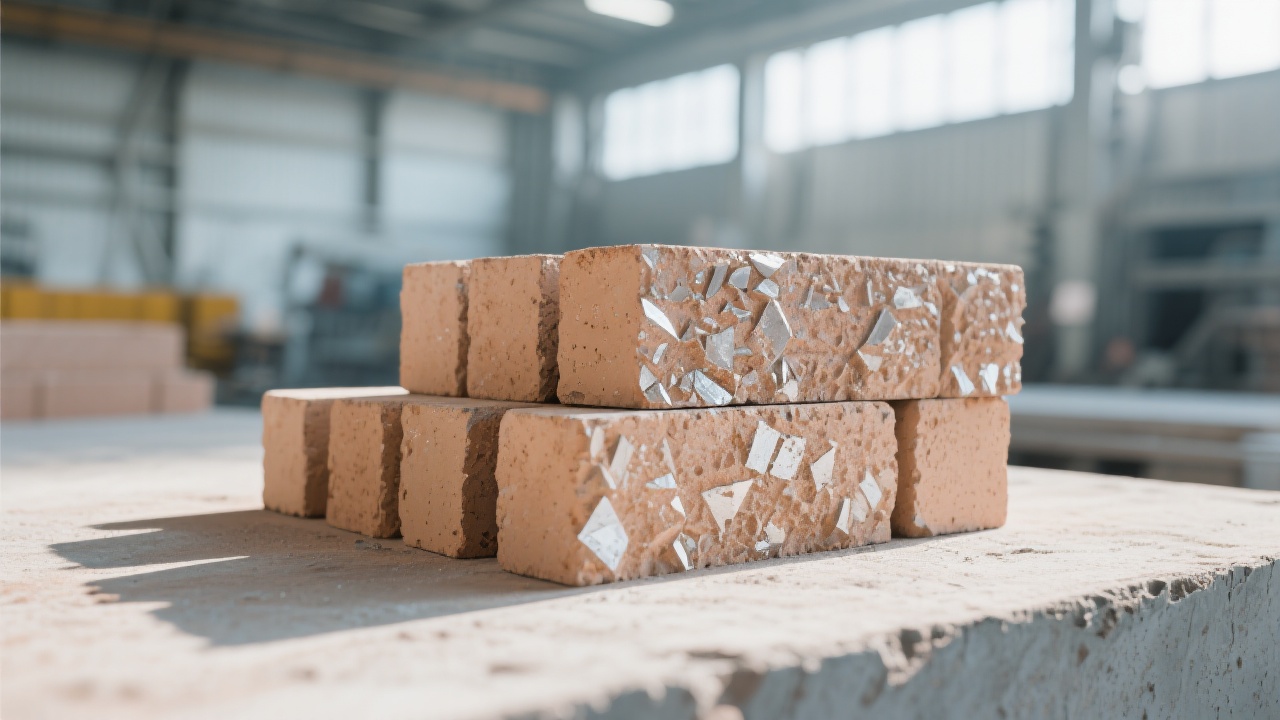
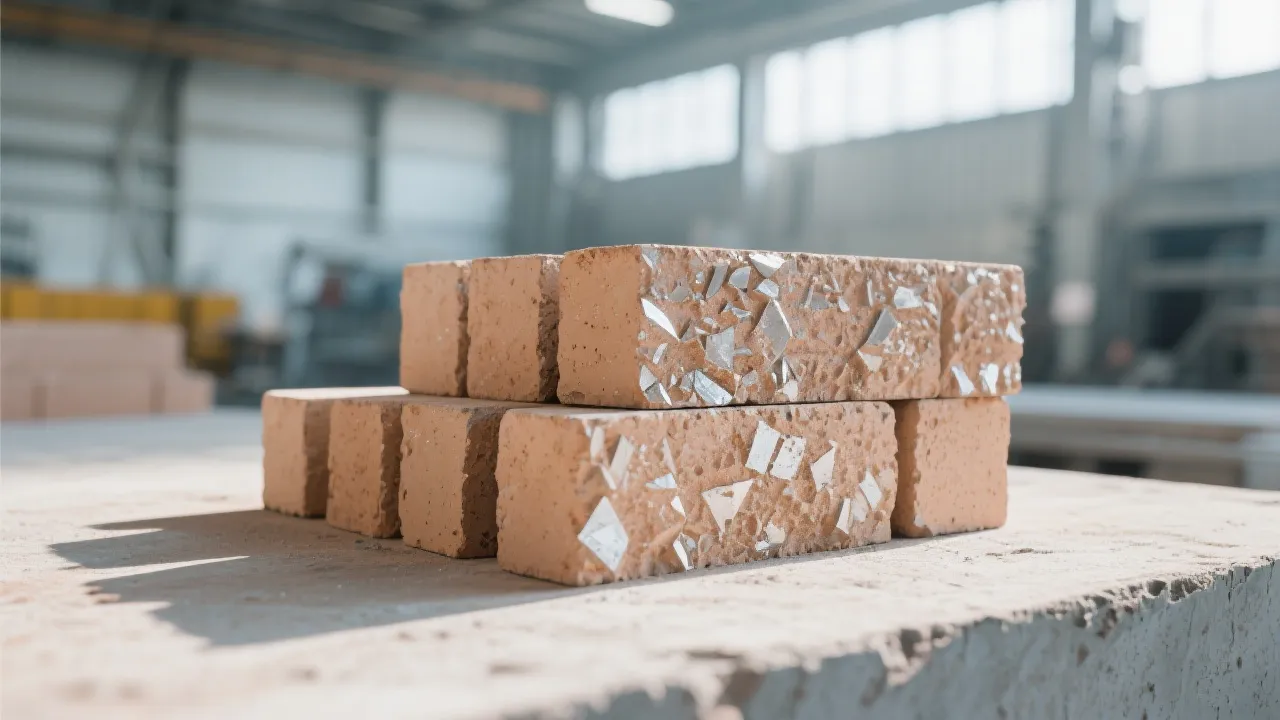
Precision in roller core dimensions directly influences measurement repeatability. The tolerance range for diameter (typically ±0.02mm) and runout (≤0.015mm) must align with original equipment manufacturer specifications to prevent sample misalignment and subsequent data errors.
| Spectroscopy Application | Optimal Roller Diameter Range | Recommended Hardness |
|---|---|---|
| X-ray Fluorescence (XRF) | 12-25mm | 75-80 Shore D |
| Atomic Absorption (AAS) | 8-15mm | 80-85 Shore D |
| Inductively Coupled Plasma (ICP) | 15-30mm | 70-75 Shore D |
A leading materials testing laboratory recently reported a 28% reduction in measurement variance after upgrading to precision-machined Sunrise graphite roller cores, directly attributable to tighter dimensional tolerances and consistent surface finish.
Proper installation and maintenance are equally important as material selection. Even the highest quality roller core will underperform without correct handling. During installation, apply a uniform mounting torque of 3.5-4.5 Nm to prevent both under-tightening (which causes slippage) and over-tightening (which risks core deformation).

Laboratory environment significantly impacts graphite roller performance. Temperature fluctuations beyond ±5°C can cause dimensional changes, while humidity levels above 65% increase the risk of oxidation. In controlled environments maintaining 20-24°C and 40-50% humidity, roller core lifespan typically extends by 35% compared to uncontrolled environments.
A pharmaceutical quality control lab in Switzerland implemented environmental controls alongside Sunrise graphite roller cores, resulting in roller replacement intervals increasing from 3 months to over 8 months—a 167% improvement that dramatically reduced maintenance costs and unplanned downtime.
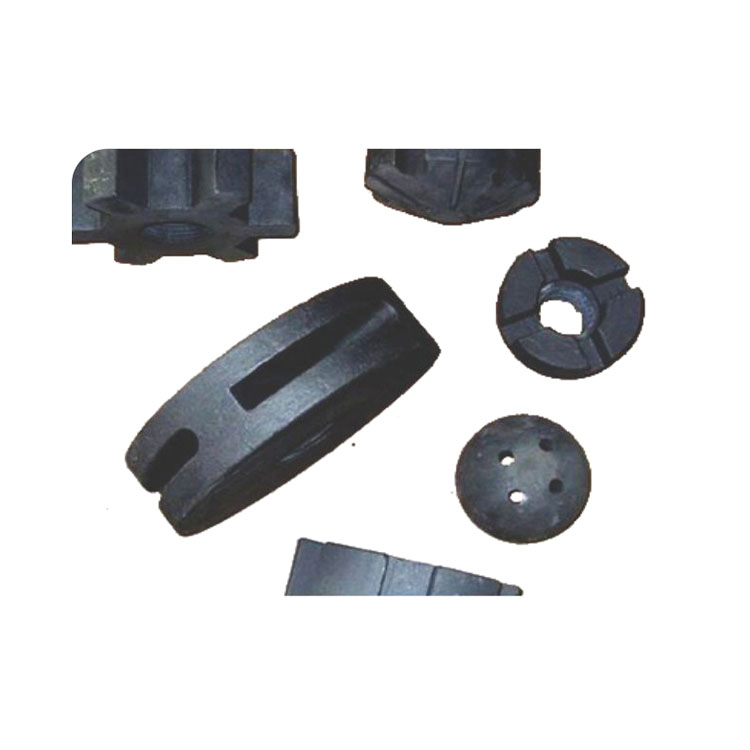
Discover how Sunrise graphite roller cores can enhance your spectroscopy equipment's performance, reduce maintenance costs, and improve data reliability.
Explore Custom Roller Solutions for Your Spectroscopy NeedsWhen selecting graphite roller cores, technical professionals must balance material properties, dimensional precision, and maintenance requirements against application-specific demands. The right selection not only improves immediate measurement accuracy but also contributes to long-term operational efficiency and cost control.
By understanding the critical role of graphite roller cores in spectroscopy systems and implementing proper selection and maintenance protocols, laboratories can achieve consistent, reliable results while minimizing equipment downtime and operational costs.