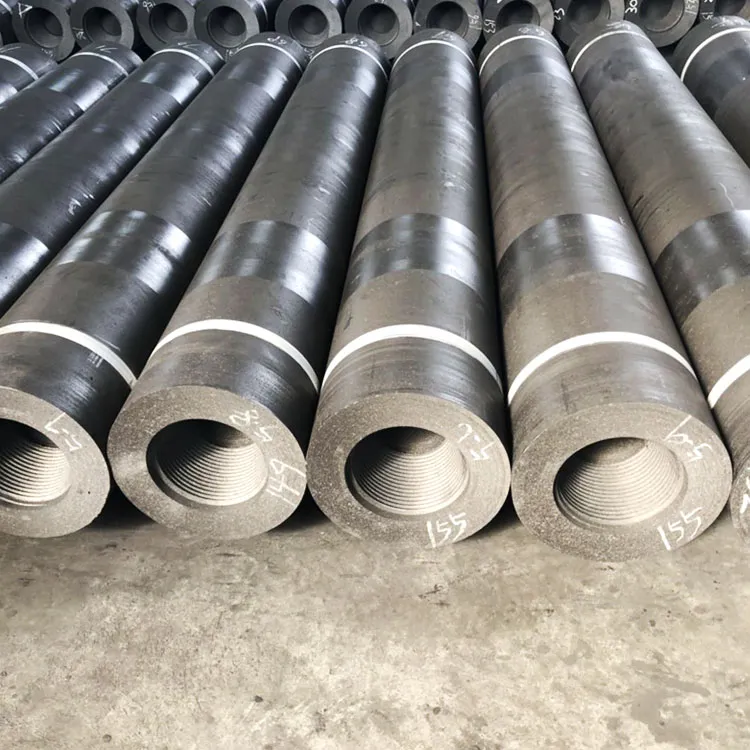
Unusual Graphite Electrode Wear in Electric Arc Furnaces? A Full-Chain Diagnostic Report from Material Purity to Operational Habits
21 01,2026
Industry Research
Is your electric arc furnace experiencing abnormal graphite electrode consumption? Don’t replace equipment yet—this industry research dives deep into the full chain of influencing factors, from raw material purity and manufacturing precision to real-world operating conditions. Backed by field data and case studies, it reveals the science behind why high-power graphite electrodes show such varied lifespans. Whether it’s pore structure inconsistency, baking process deviations, uneven current density, or maintenance gaps, we break down each factor clearly—and offer actionable preventive maintenance strategies for improved furnace efficiency and electrode life.
Why Are Your Arc Furnace Graphite Electrodes Wasting Faster Than Expected?
In the steel industry, unexpected electrode wear isn’t just a maintenance headache—it’s a direct hit to profitability. On average, arc furnace operators see 15–25% higher consumption when electrodes degrade prematurely due to overlooked factors like material purity or inconsistent operation. That means wasted raw materials, unplanned downtime, and missed production targets.
From Raw Material to Daily Practice: A Full-Chain Diagnosis
It’s tempting to blame equipment—especially if your furnace shows signs of instability—but the real culprits often lie deeper:
- Material purity: Even minor impurities (like sulfur or ash content above 0.5%) can increase thermal shock sensitivity by up to 40%, leading to micro-cracks during heating cycles.
- Baking & graphitization precision: Inconsistent heat treatment leads to uneven density—some sections may be 10–15% more porous than others, accelerating erosion at hot spots.
- Current density distribution: A poorly balanced current flow across electrodes can cause localized overheating—studies show this alone accounts for ~30% of premature failure in high-power furnaces.
Real-World Case: What’s Really Causing the Damage?
At a mid-sized mill in Turkey, engineers noticed rapid electrode degradation after switching suppliers without verifying batch consistency. Initial tests showed a 20% drop in thermal conductivity compared to previous batches—confirmed via X-ray diffraction analysis. The solution? Implementing a pre-delivery quality check protocol for every shipment, including pore structure mapping and flexural strength testing. Result: 35% longer electrode life within two months.
How to Build an Electrode Health Monitoring System
Don’t wait until the electrode fails—monitor proactively. Key metrics to track monthly include:
| Metric |
Recommended Frequency |
Action Threshold |
| Thermal Shock Resistance (ΔT) |
Monthly |
≤ 200°C → Alert |
| Average Pore Size |
Quarterly |
> 20 μm → Review Process |
| Surface Cracking Rate |
Per Shift |
> 3 cracks/shift → Investigate |
Preventive Measures That Work—No Guesswork Needed
The best practices aren’t theoretical—they’re proven on the ground:
- Optimize your power-on curve—avoid sudden current spikes (>50 kA/min) that induce stress fractures.
- Standardize electrode loading procedures—improper seating causes uneven contact resistance and accelerated wear.
- Train operators monthly on thermal management—simple habits like monitoring electrode temperature gradients make a huge difference.
Have you experienced unexpected electrode losses in your plant? Share your story below—we’re listening.
Get Your Customized High-Performance Graphite Electrode Solution Today
Let us analyze your specific operating conditions—from voltage profiles to scrap mix—to recommend the right electrode grade and maintenance plan. No generic solutions. Just tailored performance.
Request Free Technical Consultation