Unexpected Graphite Electrode Wear in Arc Furnaces? A Complete Analysis from Material Purity to Operational Habits
16 01,2026
Technical knowledge
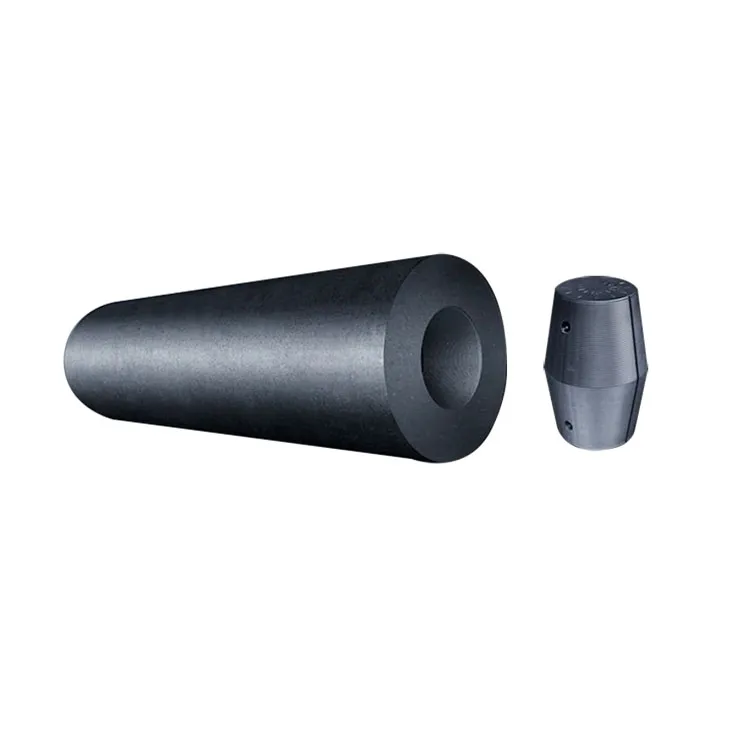
High-power graphite electrodes are critical to the stability and efficiency of electric arc furnace (EAF) steelmaking. This article explores the root causes of abnormal electrode wear, including material purity, baking and graphitization process control, furnace temperature fluctuations, current density distribution, and operator practices. Supported by real-world data, case studies, and visual comparisons of consumption rates and failure modes, it delivers actionable insights for engineers and plant managers. Learn how to optimize electrode life through preventive maintenance strategies—such as monitoring porosity, thermal shock resistance, and optimizing power curves—to reduce costs and boost productivity in EAF operations.

Why Are Your Arc Furnace Graphite Electrodes Wasting Faster Than Expected?
In the steelmaking industry, high-power graphite electrodes are not just consumables—they’re critical components that determine furnace stability, energy efficiency, and production continuity. Yet many plants report unexpected electrode wear rates—sometimes up to 30% higher than standard benchmarks.
The Real Culprits Behind Abnormal Electrode Consumption
While operational factors like current density and arc length often get blamed, the root causes usually lie deeper—in material quality, process control, and even technician behavior.
- Material Purity Matters: Impurities such as ash content above 0.5% can reduce thermal shock resistance by up to 40%. A case study from a Chinese mill showed that switching from Grade B to Grade A electrodes (with <0.3% ash) cut electrode consumption from 2.8 kg/ton to 1.9 kg/ton.
- Baking & Graphitization Quality: Inconsistent heating profiles during graphitization lead to uneven pore structure. Research indicates that electrodes with non-uniform microstructure experience 2–3x more cracking under thermal cycling.
- Operational Practices: Operators who frequently adjust power settings or fail to monitor electrode temperature can accelerate erosion. One European plant reduced electrode loss by 22% after implementing standardized “current ramp-up” procedures.
How to Diagnose and Prevent Premature Wear
Early detection is key. Monitor these indicators monthly:
| Parameter |
Normal Range |
Warning Sign |
| Electrode Porosity (%) |
12–15% |
>18% → Risk of Thermal Spalling |
| Thermal Shock Resistance (°C) |
≥ 800°C |
<600°C → High Crack Susceptibility |
| Current Density (A/cm²) |
≤ 17 A/cm² |
>20 A/cm² → Accelerated Erosion |
Proactive maintenance—not reactive fixes—is what separates top performers. Implement a quarterly inspection plan for electrode integrity, including visual checks for cracks, surface oxidation, and dimensional consistency.
Industry Insight: According to a 2023 Global Steel Report, mills using predictive maintenance tools saw an average 15% increase in electrode life—and a 12% reduction in unplanned downtime.
Ready to Optimize Your Electrode Performance?
We specialize in custom-engineered high-power graphite electrodes designed for harsh arc furnace environments. Whether you're facing rapid wear, inconsistent performance, or seeking long-term cost savings—we’ve got the data-driven solutions your team needs.
Get Your Free Electrode Life Assessment Today
Let our technical experts analyze your current usage patterns and recommend tailored improvements.
Schedule Your Consultation Now