Practical Guide to Graphite Electrode Maintenance and Performance Optimization in Steelmaking
01 11,2025
Tutorial Guide
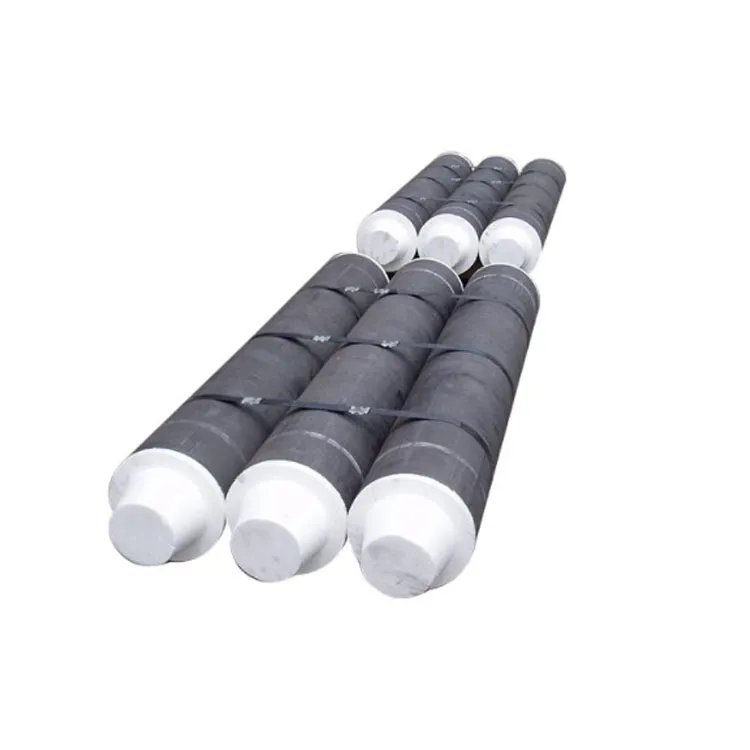
This comprehensive tutorial explores the selection criteria and performance optimization strategies for ultra-high-power graphite electrodes (diameter >500 mm) used in electric arc furnaces (EAF). It analyzes how high-quality needle coke enhances electrical conductivity and thermal stability, and demonstrates how precision machining and threaded end designs improve mechanical strength and connection reliability. Real-world case studies illustrate significant gains in furnace efficiency, energy savings, and operational cost reduction—highlighting both environmental and economic benefits. Practical maintenance tips and inspection checklists empower engineers and technicians to implement effective electrode management. Comparative analysis between conventional and ultra-high-power electrodes under thermal cycling conditions clarifies common misconceptions, supported by charts and flow diagrams for clarity. A must-read resource for advancing green and efficient steel production.

Optimizing High-Power Graphite Electrodes in EAF Steelmaking: A Practical Guide
In modern electric arc furnace (EAF) steel production, graphite electrodes are not just components—they’re the heartbeat of efficiency, cost control, and environmental performance. This guide dives into how material science, precision engineering, and real-world operational practices can transform your electrode management from routine maintenance to strategic optimization.
Why Material Matters: The Role of Premium Needle Coke
High-quality needle coke—typically with a carbon purity above 98%—offers superior electrical conductivity (~10−5 Ω·m) and thermal stability under repeated heating cycles. In contrast, lower-grade materials may show up to 15% higher resistance after 50 thermal cycles, leading to energy loss and premature failure. Studies from ArcelorMittal’s pilot plants confirm that switching to high-purity needle coke reduces electrode consumption by 7–10% per ton of steel produced.
| Electrode Type |
Avg. Consumption (kg/ton) |
Energy Efficiency Gain (%) |
| Standard Grade |
4.8 |
-2.5 |
| UHP Grade (High Needle Coke) |
4.1 |
+6.3 |
Precision Machining & Thread Design: More Than Just Fit
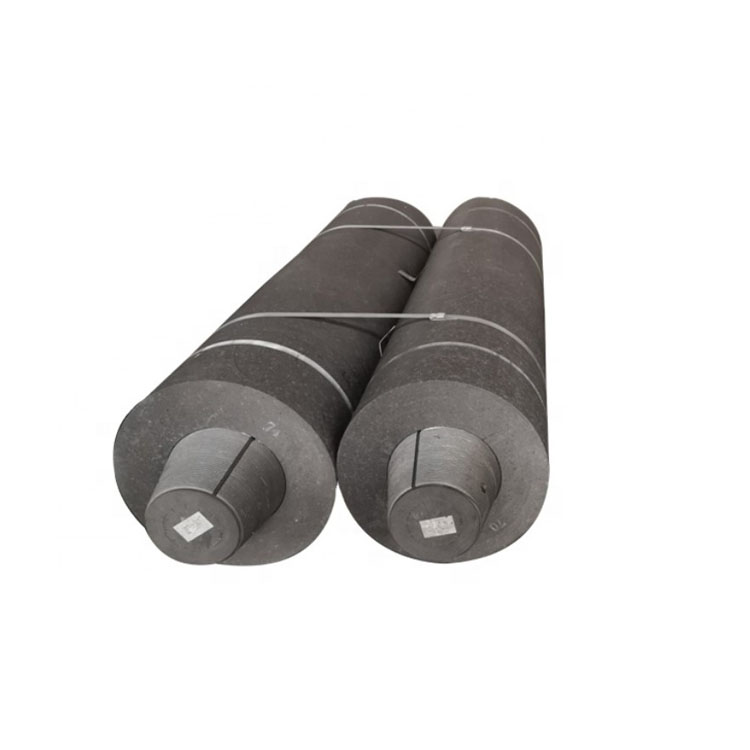
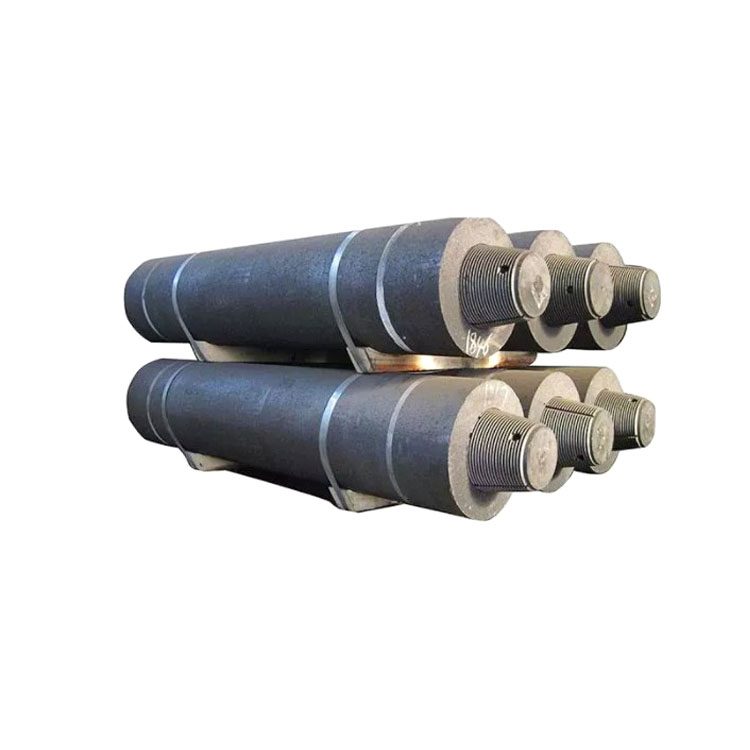
Modern UHP electrodes use CNC-machined threads with tolerances within ±0.1 mm—a critical detail often overlooked. Poor thread alignment increases contact resistance by up to 25%, causing localized overheating and cracking. One case study at a Turkish mill showed that adopting ISO-standardized threading reduced electrode breakage incidents by 40% over six months, directly improving uptime and safety.
Real Results: From Theory to Plant Floor
A mid-sized scrap-based steelmaker in South Africa implemented this optimization strategy across two furnaces. Within 90 days, they achieved:
- 12% reduction in specific energy use (kWh/ton)
- 9% drop in electrode replacement frequency
- Improved compliance with local emissions standards
Daily Maintenance Checklist: Don’t Wait for Failure
Preventive care is cheaper than repair. Implement these daily checks:
- Inspect electrode surface for cracks or oxidation (use UV light if available).
- Verify thread cleanliness before assembly—residue causes poor contact.
- Monitor voltage drop between electrodes—abrupt changes signal issues.
- Log operating hours per electrode batch to track wear patterns.
Ready to Boost Your EAF Performance?
Download our free Graphite Electrode Optimization Toolkit—including a quick assessment form, maintenance log template, and comparison matrix—to start applying these insights immediately.
Get the Free Toolkit Now