Optimizing Machining Processes to Enhance Graphite Electrode Connection Strength and Service Life

17 12,2025
Sunrise
Application Tutorial
This article explores how optimizing mechanical machining processes can significantly improve the connection strength and service life of ultra-high power graphite electrodes. By analyzing the critical impacts of precision cylindrical machining, thread end design, and dimensional tolerance control on electrode assembly stability and electrical conductivity, the study demonstrates practical process improvements through real-world application cases. These enhancements contribute to extended electrode lifespan and reduced furnace maintenance costs, supporting steel manufacturers in achieving greener and more efficient production. The content is tailored for procurement decision-makers, technical engineers, and industry researchers seeking actionable insights.
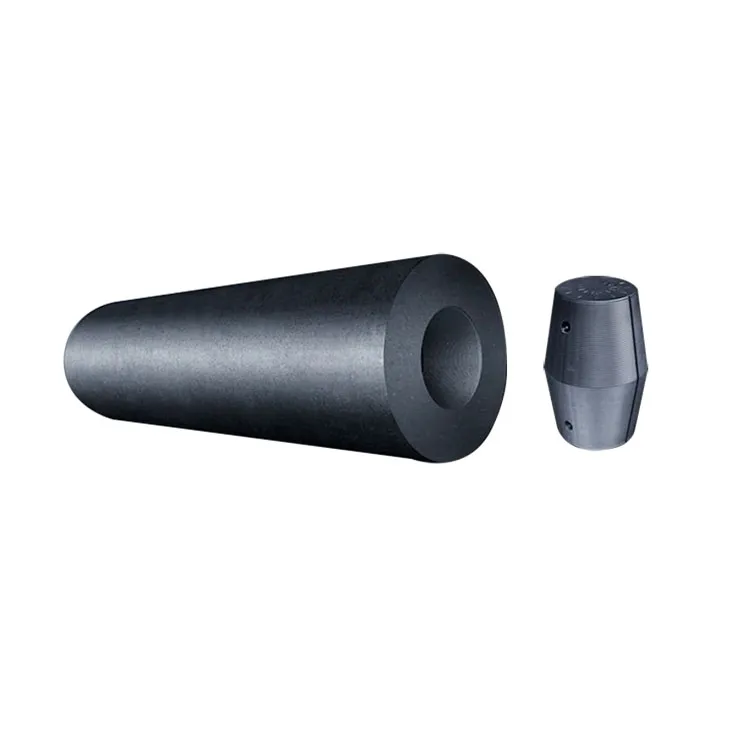
ordinary-graphite-electrode-2.jpg

Enhancing Graphite Electrode Connection Strength and Service Life Through Optimized Machining Processes

In electric arc furnace (EAF) steelmaking, the performance and longevity of graphite electrodes are critical to operational efficiency and cost control. One of the persistent challenges faced by steel manufacturers is the loosening of electrode connections, leading to increased energy consumption, unplanned shutdowns, and costly maintenance. This article explores how precision mechanical machining innovations specifically tailored for ultra-high power graphite electrodes can substantially improve connection stability and extend electrode service life.

The Challenge: Connection Loosening Impact on Furnace Efficiency

During intense EAF operations, any slight looseness at the electrode joints disrupts electrical continuity, causing power losses and uneven current distribution. Industry data indicates that connection looseness can increase energy consumption by up to 8%, while frequent downtime due to electrode failure may cut productive furnace time by more than 10%. Hence, engineering electrodes with precise mechanical interfaces is paramount for reducing operational risks.

Quality Control from Raw Materials to Precision Machining

The journey to superior electrode connection starts with high-grade needle coke selection, renowned for its fine grain structure that supports better conductivity and mechanical integrity. However, raw material quality alone is insufficient without stringent control across the machining process. Maintaining dimensional accuracy, surface finish, and thread geometry within micron-level tolerances is essential to ensure proper fit and electrical contact.

“Upgrading the threading precision on our graphite electrodes reduced connection failures by over 30% within six months, significantly enhancing furnace uptime.”—Senior Engineer at SteelTech Solutions

Core Machining Process Optimizations

The machining focus areas include:

  • Thread Fit Accuracy: Achieving a thread pitch tolerance of ±0.02 mm minimizes mechanical gaps, reducing electrical resistance in the joint.
  • End Face Flatness: Precision grinding ensures the mating surfaces are flat within 0.01 mm, maximizing contact pressure and connection stability.
  • Post-Thermal Treatment Dimensional Stability: Applying controlled heat treatments mitigates deformation, sustaining tight tolerances over the electrode’s operational life.

Performance Validation Through Customer Case Studies

A leading steel producer implemented the refined machining protocol on their 450 mm ultra-high power electrodes. After six months, comparative data revealed:

  • Electrode consumption dropped by 18%, translating to material cost savings.
  • Electrical efficiency improved by 5%, as evidenced by lower arc voltage fluctuations.
  • Maintenance intervals extended by 20%, decreasing unplanned outages and labor costs.

These tangible benefits underscore how targeted machining enhancements contribute to green and efficient steelmaking operations.
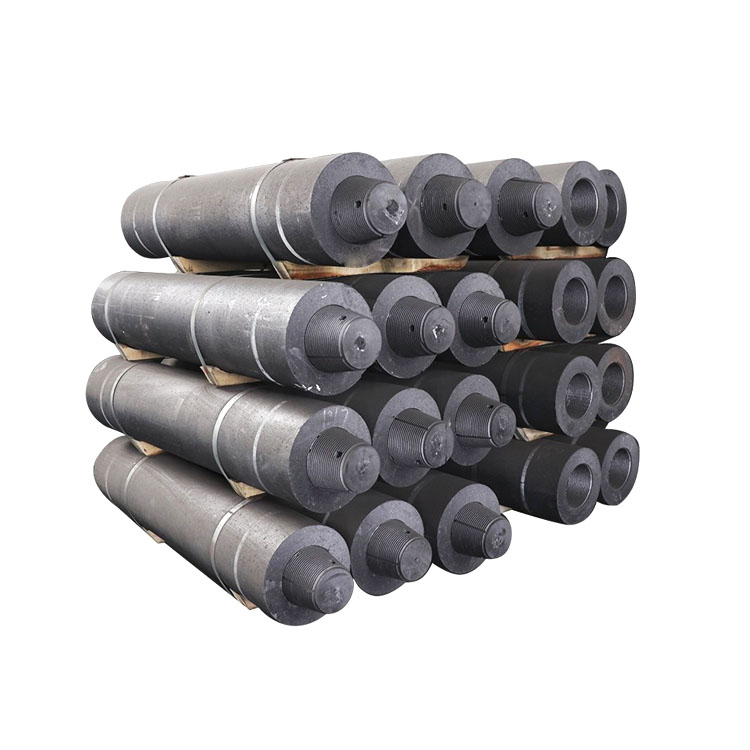
ordinary-graphite-electrode-2.jpg

Industry Trends: Demand for High-Reliability Electrodes Amid Furnace Scaling

As EAF manufacturers progressively adopt larger capacity furnaces exceeding 100 MVA, the demand for electrodes capable of sustaining higher loads without performance degradation grows steadily. Such environments necessitate electrodes with superior mechanical robustness and electrical conductivity to support continuous high-current operations, where even minor connection lapses can precipitate substantial productivity losses.

Recommendations for Standardization and Maintenance Strategies

To maximize the benefits of optimized machining, steel producers should implement:
  • Standardized dimensional and surface quality inspection protocols post-machining.
  • Scheduled connection inspections and re-tightening routines during furnace campaigns.
  • Continuous training for maintenance teams on the criticality of electrode joint integrity.
vermiculite-insulation-board-4.jpg
Name *
Email *
Message*

Recommended Products

Popular articles
Recommended Reading
<#if (articleDetails.articleDetailsRelatedArticles.articleList?has_content)?? && (articleDetails.articleDetailsRelatedArticles.articleList?size>0)> <#if (articleDetails.articleDetailsRelatedArticles.isShow)?? && articleDetails.articleDetailsRelatedArticles.isShow> <#if (articleDetails.articleDetailsRelatedArticles.title)?? && articleDetails.articleDetailsRelatedArticles.title!="">

${articleDetails.articleDetailsRelatedArticles.title}

<#list articleDetails.articleDetailsRelatedArticles.articleList as list>
<#if (list.imgUrl?has_content)?? && (list.imgUrl?has_content)> ${list.imgAlt} <#else> img

${list.title}

${(list.updateTime)?number_to_datetime?string('dd MM ,yyyy')}
Contact us
Contact us
https://shmuker.oss-cn-hangzhou.aliyuncs.com/tmp/temporary/60ec5bd7f8d5a86c84ef79f2/60ec5bdcf8d5a86c84ef7a9a/thumb-prev.png