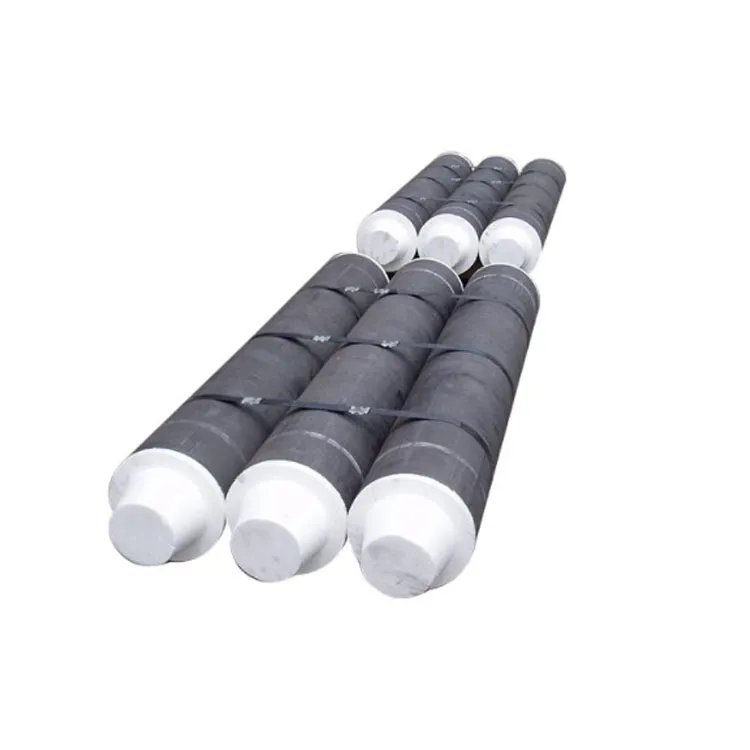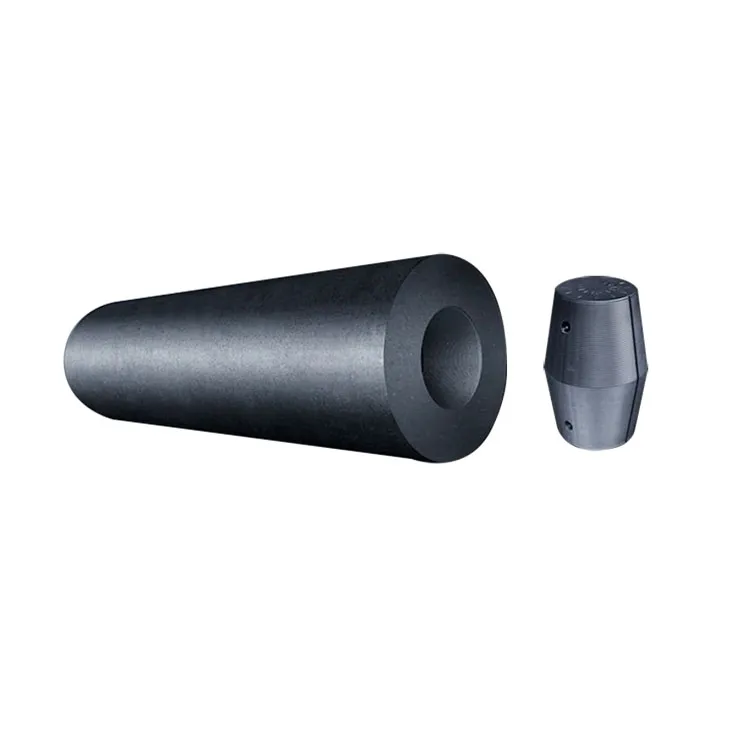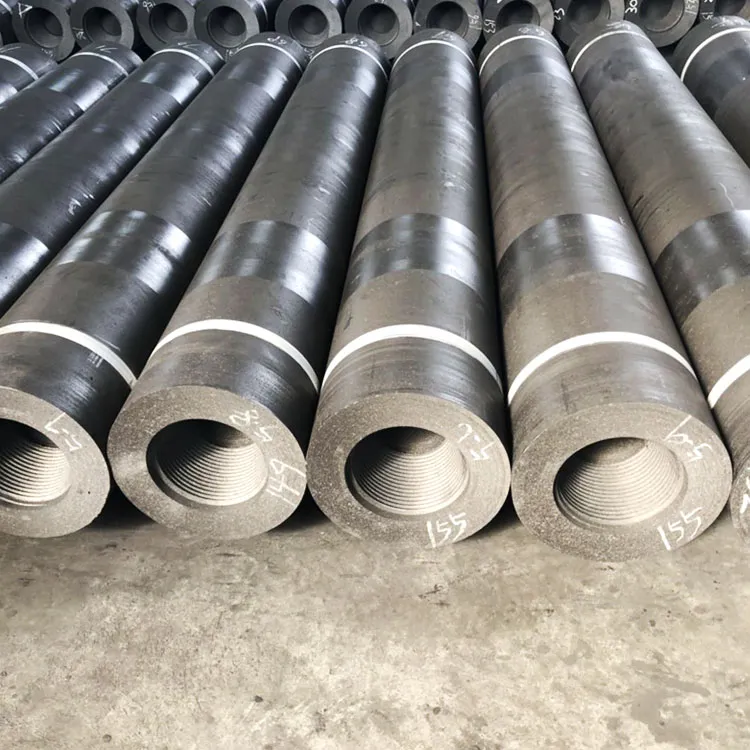
In electric arc furnace (EAF) operations, graphite electrodes are critical components that directly impact both production efficiency and cost control. According to industry data from the International Graphite Association, a typical EAF consumes approximately 1.2–1.8 kg of electrode per ton of steel produced. With raw material costs rising and margins tightening, optimizing electrode life isn't just a technical goal—it’s a strategic imperative.
High-purity graphite—specifically with carbon content above 99.5%—can reduce thermal stress-induced cracking by up to 40%. A case study at a mid-sized steel plant in Germany showed that switching from standard-grade to premium-grade electrodes increased average lifespan from 72 hours to 108 hours. Key tests like XRF (X-ray fluorescence) and LOI (loss on ignition) should be part of routine quality checks during procurement.
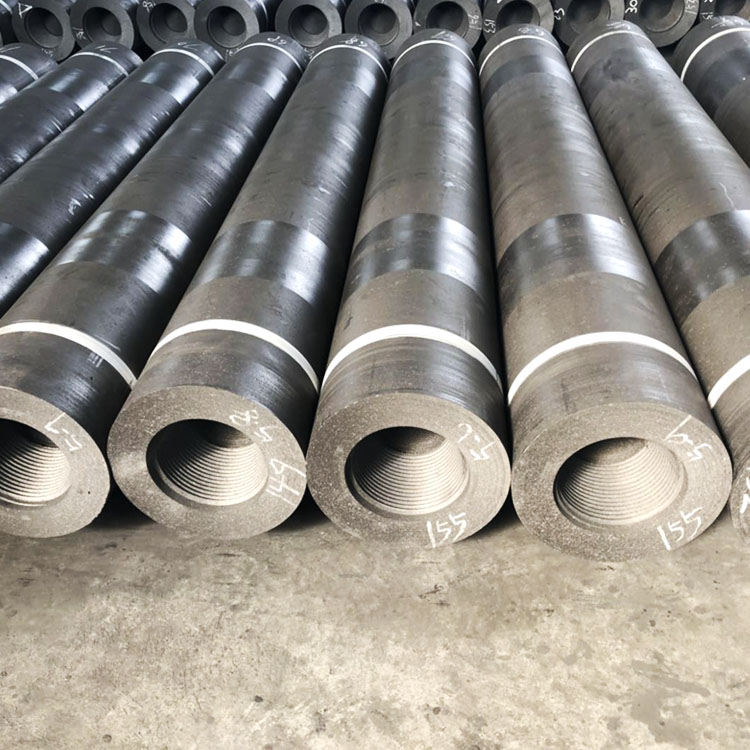
The baking and graphitization stages determine microstructure stability. For example, maintaining a controlled ramp rate of 1–2°C/min during graphitization ensures minimal internal stress. One Chinese manufacturer reported a 25% reduction in electrode breakage after implementing real-time temperature monitoring across all kilns—a move that also cut energy consumption by 8%.
Current density above 20 A/cm² accelerates erosion rates exponentially. In one comparative test between two plants using identical electrodes, Plant A maintained current densities below 18 A/cm² while Plant B averaged 22 A/cm²—resulting in a 35% shorter electrode life for Plant B over six months. Simple adjustments like optimizing electrode spacing and adjusting power-on curves can yield immediate returns.
Pro Tip: Use thermocouples placed at the electrode tip and midpoint to monitor hot spots. Early detection of uneven heating patterns can prevent catastrophic failure before it happens.
A structured maintenance plan—including weekly porosity testing via vacuum impregnation and monthly heat-shock resistance assessments—can extend electrode service life by another 15–20%. Many mills overlook this because they lack standardized procedures—but it’s the difference between reactive repairs and proactive optimization.
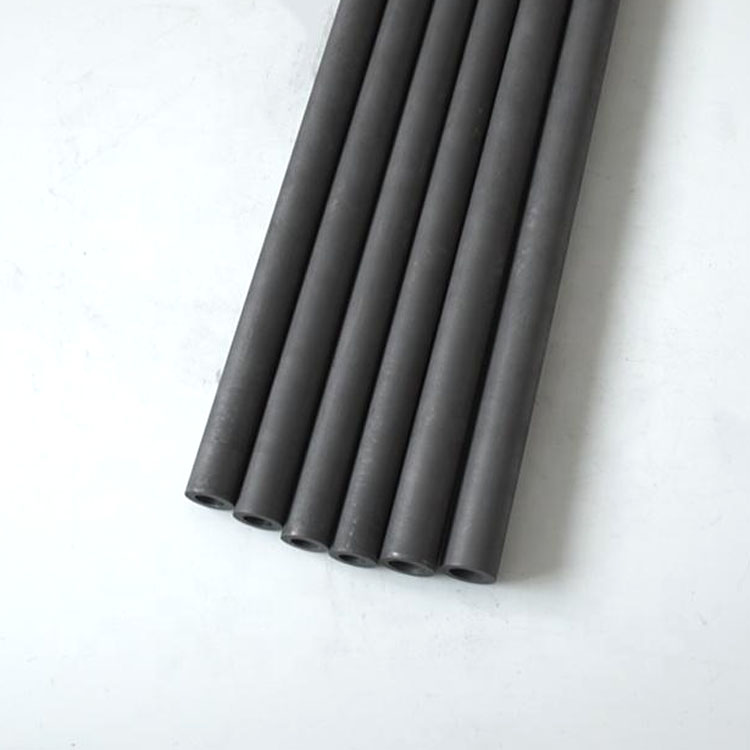
If you’re serious about maximizing your EAF performance, don’t treat graphite electrodes as disposable parts—they’re precision-engineered tools that demand respect. Whether you're an engineer, plant manager, or procurement specialist, understanding these principles is your first step toward smarter, more profitable operations.
Explore our range of high-performance graphite electrodes designed for extended life, consistent conductivity, and reliable operation—even under extreme conditions.
Get Expert Recommendations Now →