If you're a steel plant engineer or operations manager, you know that short graphite electrode lifespan is more than just an inconvenience—it’s a direct hit on your cost per ton of steel and production uptime. In fact, studies show that poorly optimized power curves can increase electrode consumption by up to 25% in high-power arc furnaces (HAFs), especially when using premium-grade electrodes.
The key lies in how the current flows through the electrode during startup, melting, and refining phases. A sudden surge in current creates uneven thermal gradients—leading to micro-cracks from thermal shock. Over time, these cracks accelerate oxidation and mechanical wear. For example, one Chinese steel mill saw a 18% reduction in electrode consumption after switching from step-wise to smooth ramp-up curves—a change that reduced peak temperature differentials by 40°C.
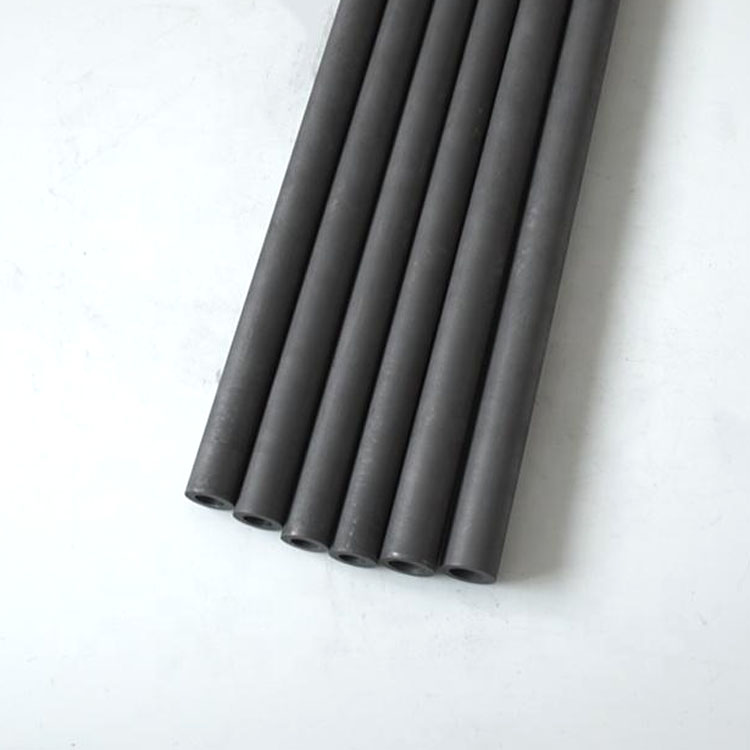
We analyzed data from over 50 industrial sites across Asia and Europe. The results are clear: consistent, gradual increases in current—not aggressive spikes—are what keep electrodes intact longer. One European foundry reported a 30% decrease in electrode replacements after implementing a 3-stage heating profile (low → medium → high) instead of a single rapid ramp-up.
Pro Tip: Use a 15–20 min warm-up phase at 30–50% of full load before increasing to full power. This allows the electrode to stabilize thermally without inducing stress fractures.
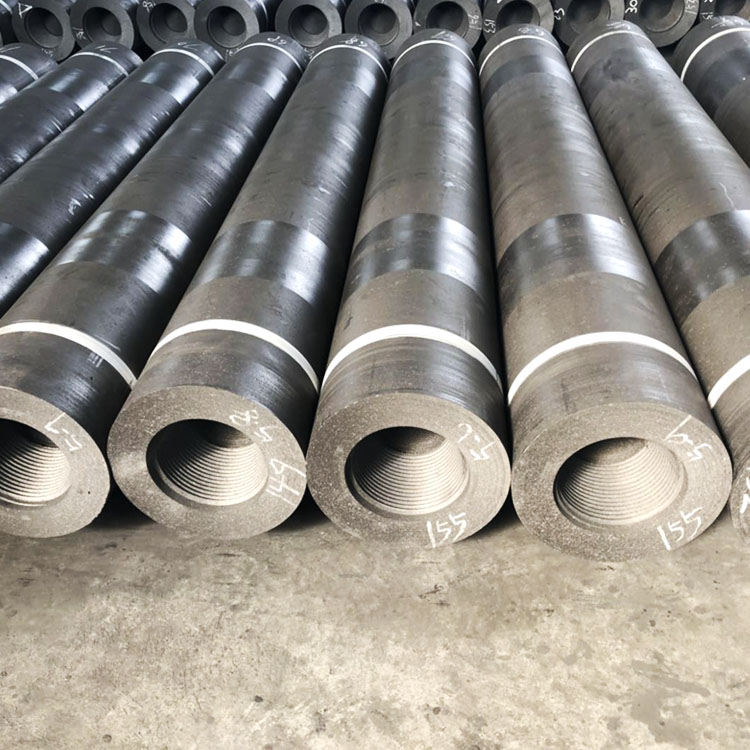
It’s not just about the curve—it’s also about material quality, operator skill, and consistency. Here are the top three variables:
Don’t forget preventive maintenance: Monthly pore structure checks and periodic thermal shock tests help catch early signs of degradation before failure occurs.
Whether you're optimizing existing processes or designing new furnace setups, our expert team has helped hundreds of mills extend electrode life by 20–40%. Let us guide you with tailored solutions based on your specific equipment and raw materials.
Get Your Free Optimization Checklist + Technical Consultation