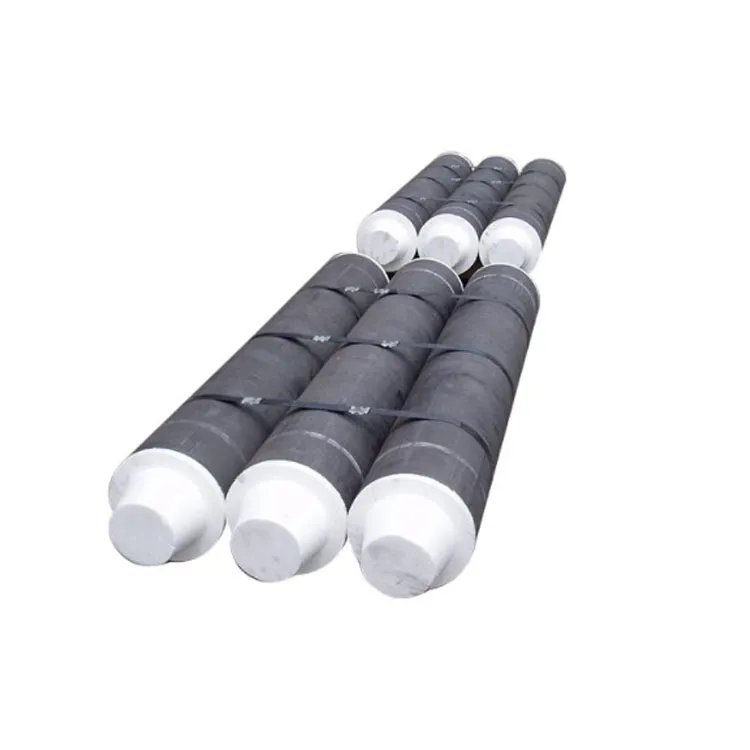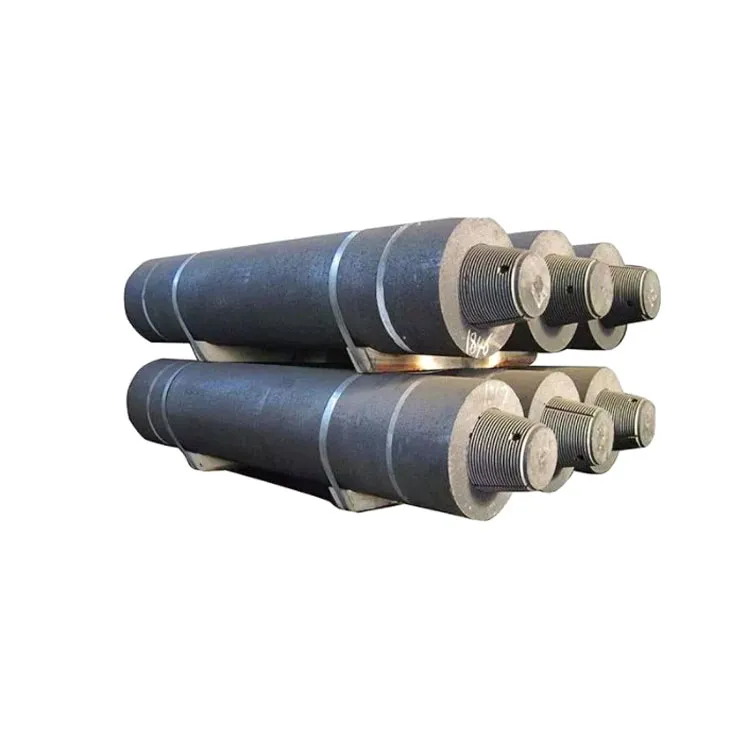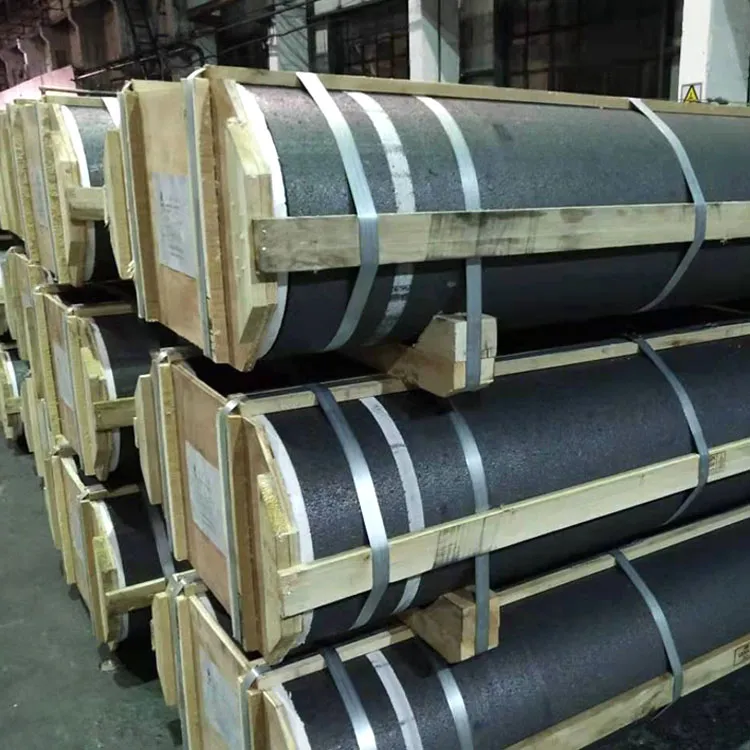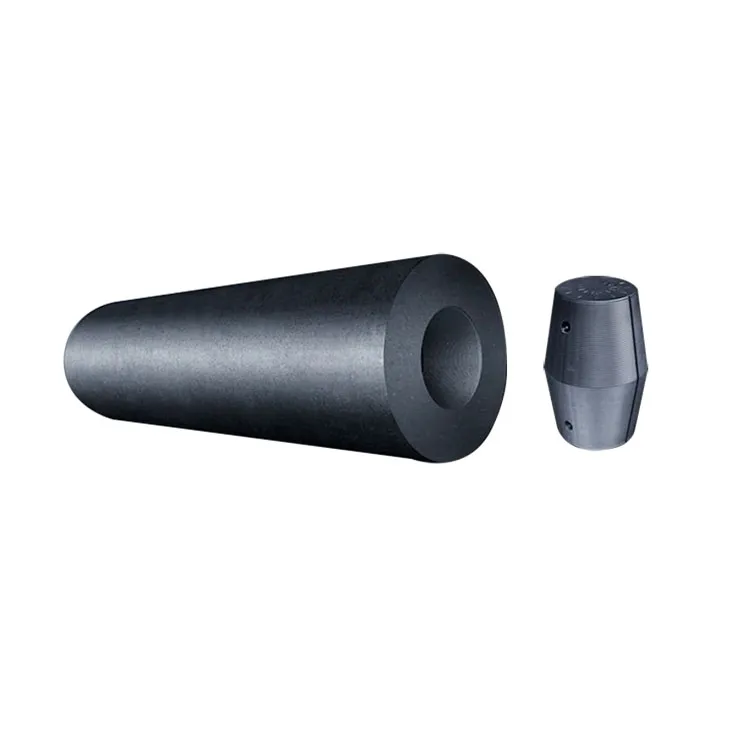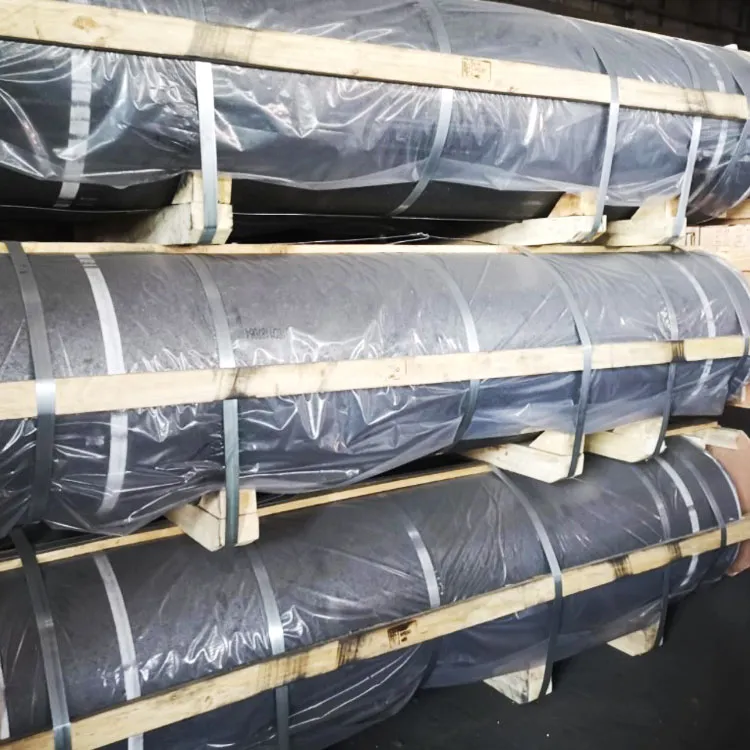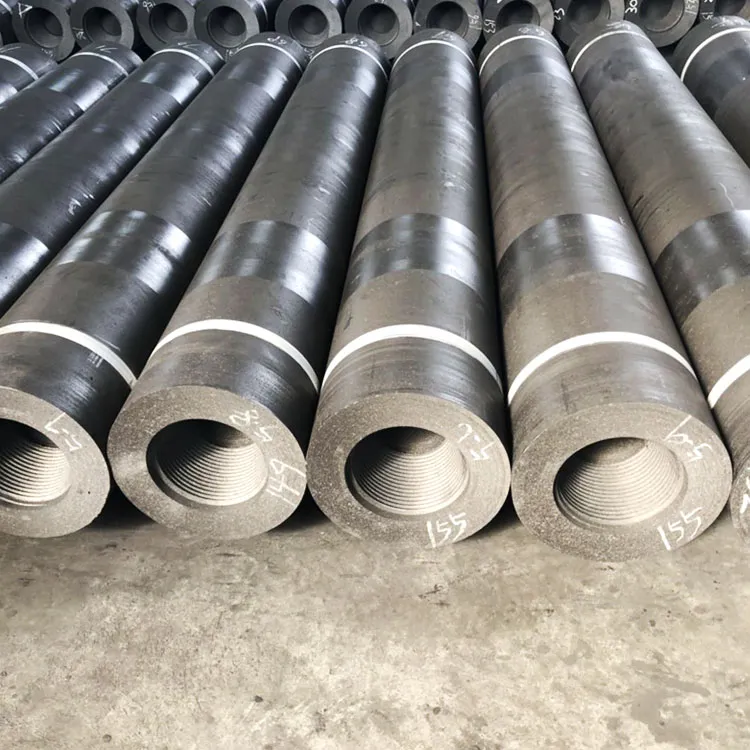
Have you ever encountered issues in your steel manufacturing process due to electrode damage? In the continuous operation of electric arc furnaces, high-power graphite electrodes often face various failure problems. Common electrode damage types include end spalling, sidewall cracks, and joint loosening. These damages can seriously disrupt production continuity. For example, end spalling can lead to inconsistent melting, while sidewall cracks may cause uneven heat distribution, and joint loosening can even result in sudden electrode breakage, all of which have a significant negative impact on production efficiency and cost control.
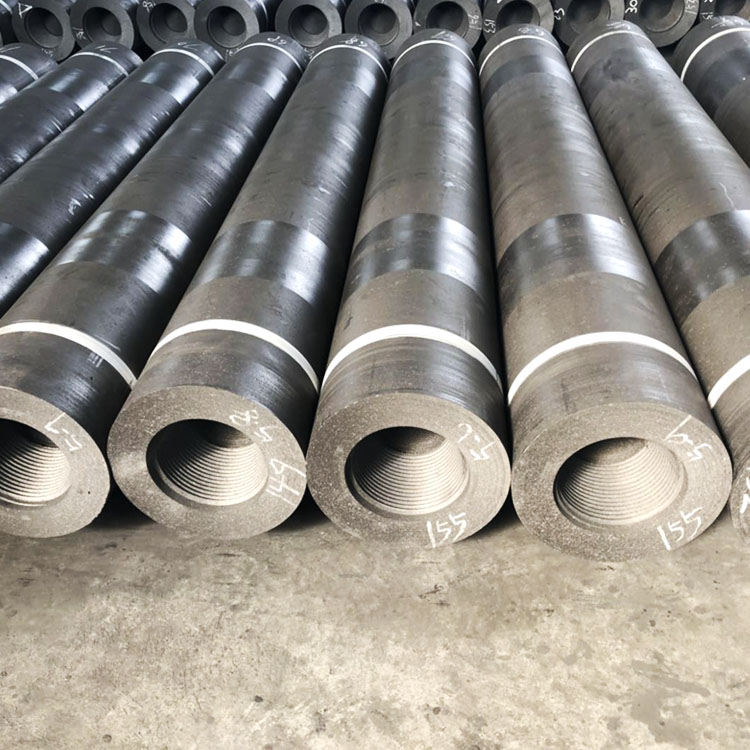
To understand why these failures occur, we need to look into the underlying physical mechanisms. There are three main aspects: thermal stress concentration, oxidation corrosion, and mechanical impact. Thermal stress concentration happens when the electrode is exposed to high temperatures during the melting process. The rapid temperature change causes the material to expand and contract unevenly, leading to stress build - up and eventually cracks. Oxidation corrosion is another culprit. In the high - temperature and oxygen - rich environment of the electric arc furnace, the graphite electrode is gradually corroded, which weakens its structure. Mechanical impact, such as the vibration during the operation of the furnace, can also cause damage to the electrode over time.
Operational factors also play a crucial role in electrode life. For instance, a too - fast heating rate can cause excessive thermal stress on the electrode, accelerating its damage. Uneven clamping can lead to uneven stress distribution on the electrode, increasing the risk of cracks. Inadequate cooling can't effectively dissipate the heat generated during operation, which further exacerbates the problem of thermal stress concentration. All these operational issues can significantly shorten the electrode's lifespan.
Based on the above analysis, we have developed a series of solutions. Firstly, optimizing the installation angle can ensure more uniform stress distribution on the electrode. Upgrading the cooling system can enhance heat dissipation efficiency, reducing the impact of thermal stress. But perhaps the most significant solution is the introduction of online monitoring technology. Our online monitoring solution has helped many customers extend the service life of a single electrode by more than 20%. By continuously monitoring the electrode's status, we can detect potential problems in advance and take timely measures to prevent failures.
An electrode health assessment system is essential for long - term electrode management. By collecting data on the electrode's temperature, stress, and other parameters, and using state - of - the - art diagnostic techniques, we can comprehensively evaluate the electrode's health status throughout its lifecycle. This allows us to predict when maintenance or replacement is needed, reducing the risk of unplanned downtime and improving production efficiency.
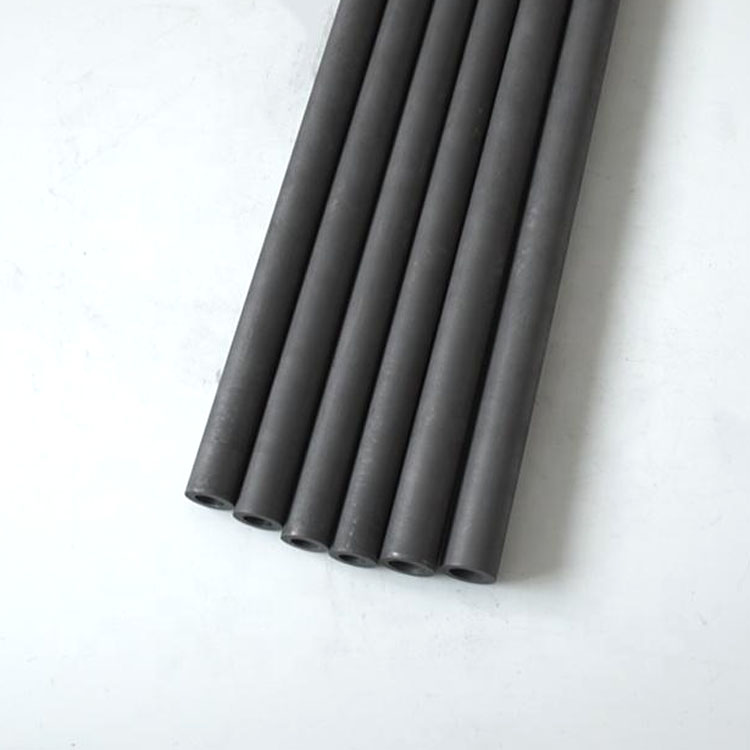
To illustrate the effectiveness of our solutions, let's look at some real - world case studies. In a certain steel plant, after implementing our electrode health assessment system and related improvement measures, the electrode's service life increased by 25%, and the number of unplanned shutdowns decreased by 30%. These data clearly demonstrate the practical value of our solutions.
Our solutions are not only effective but also in line with international metallurgical standards. We have combined international metallurgical norms with on - site practical experience in factories to ensure that our solutions are reliable and compliant. This gives you the confidence that by using our products and services, you are not only solving your current problems but also staying ahead in the industry.