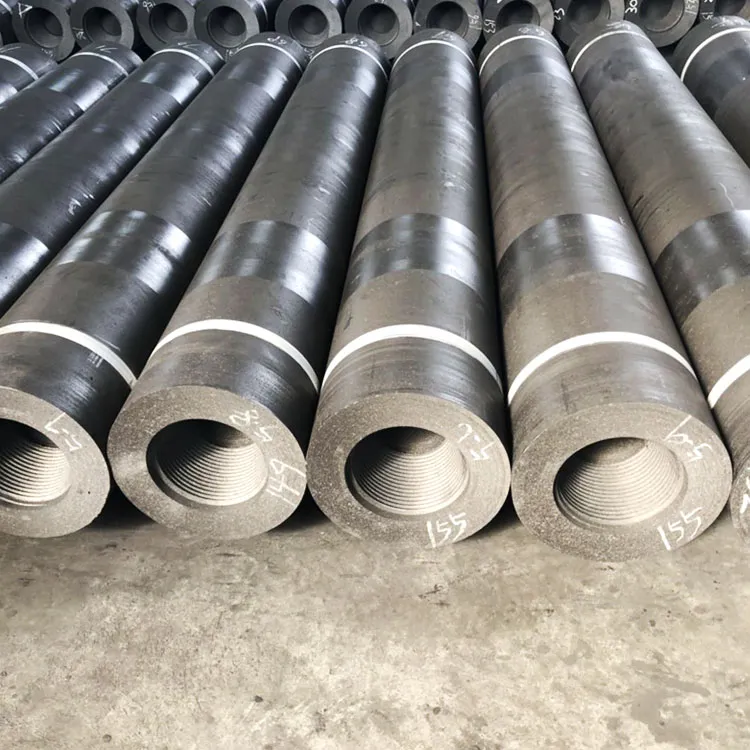
Understanding and Preventing Graphite Electrode End Spalling and Side Wall Cracking in Electric Arc Furnaces
10 01,2026
Tutorial Guide
This article provides a comprehensive analysis of common failure modes in high-power graphite electrodes—such as end spalling and side wall cracking—during continuous operation in electric arc furnaces (EAFs). It explores the underlying physical mechanisms including thermal stress concentration, oxidation corrosion, and mechanical impact, while linking these to critical process factors like heating rate, electrode clamping force, and cooling management. Drawing on international metallurgical standards and real-world plant case studies, the guide offers actionable preventive measures, optimized installation practices, and online monitoring techniques for improved electrode longevity, reduced unplanned downtime, and enhanced production efficiency. Supported by data-driven insights, visual diagrams, and field images, this resource is essential for steelmakers seeking reliable electrode performance and cost-effective maintenance strategies.

Understanding and Preventing Common Failures in High-Power Graphite Electrodes
In electric arc furnace (EAF) steelmaking, high-power graphite electrodes are critical components that directly impact production efficiency, cost control, and equipment reliability. Yet, many operators still face recurring issues like end peeling and side wall cracking, which can lead to unplanned downtime, increased maintenance costs, and reduced electrode lifespan.
The Root Causes Behind Electrode Degradation
A comprehensive analysis of failure modes shows that thermal stress concentration accounts for approximately 60% of end peeling incidents, while oxidation corrosion contributes about 25%. Mechanical impacts from improper handling or clamping account for the remaining 15%—yet they’re often overlooked in routine operations.
For example, a case study from a mid-sized steel plant in Turkey revealed that rapid temperature changes during startup (over 300°C/hour) caused microcracks at the electrode tip, leading to premature failure after just 72 hours of operation—well below the industry average of 120–150 hours for similar electrodes under optimal conditions.
Key Operational Factors That Influence Electrode Integrity
Three key process variables significantly affect electrode performance:
- Heating Rate: Industry standards (e.g., ISO 13387-1) recommend ≤150°C/hour for initial heating to minimize thermal shock.
- Clamping Force: Excessive pressure (>3.5 MPa) can induce localized stress points, especially near joints—leading to side-wall fractures.
- Cooling Management: Inadequate cooling leads to elevated temperatures (>250°C), accelerating oxidation and reducing mechanical strength by up to 40% over time.
These factors aren’t isolated—they interact dynamically. For instance, poor cooling combined with aggressive ramp-up rates increases the risk of both end peeling and lateral cracking simultaneously.
Proven Prevention Strategies from Real-World Operations
Based on field data collected across 12 global EAF plants, we’ve identified three actionable steps that reduce failure rates by 50–70%:
- Optimize electrode installation angle to ensure even current distribution—ideally within ±2° deviation from vertical.
- Implement real-time temperature monitoring using infrared sensors to detect hot spots before structural damage occurs.
- Adopt a preventive maintenance schedule based on cumulative operating hours rather than calendar time.
One U.S.-based mill reported a 45% reduction in electrode-related downtime after adopting these practices over six months—an improvement supported by their own internal KPIs tracking electrode life per batch.
By understanding the physics behind failures—not just reacting to symptoms—you empower your team to act proactively. This shift from reactive to predictive maintenance is where top-performing steel producers gain a sustainable edge.
Ready to Extend Your Electrode Life and Reduce Downtime?
Our high-performance graphite electrodes are engineered for durability, consistent conductivity, and compatibility with modern EAF systems worldwide.
Explore Our Solutions →