In the competitive landscape of steel manufacturing, every kilowatt-hour counts. As energy costs continue to rise—with industrial electricity prices increasing by an average of 12.3% globally in 2023—arc furnace operators are seeking innovative ways to optimize energy consumption without compromising production output. One often overlooked yet critical factor in this equation is the electrical conductivity of graphite electrodes, the vital components that transfer electrical energy into the furnace to melt scrap metal.
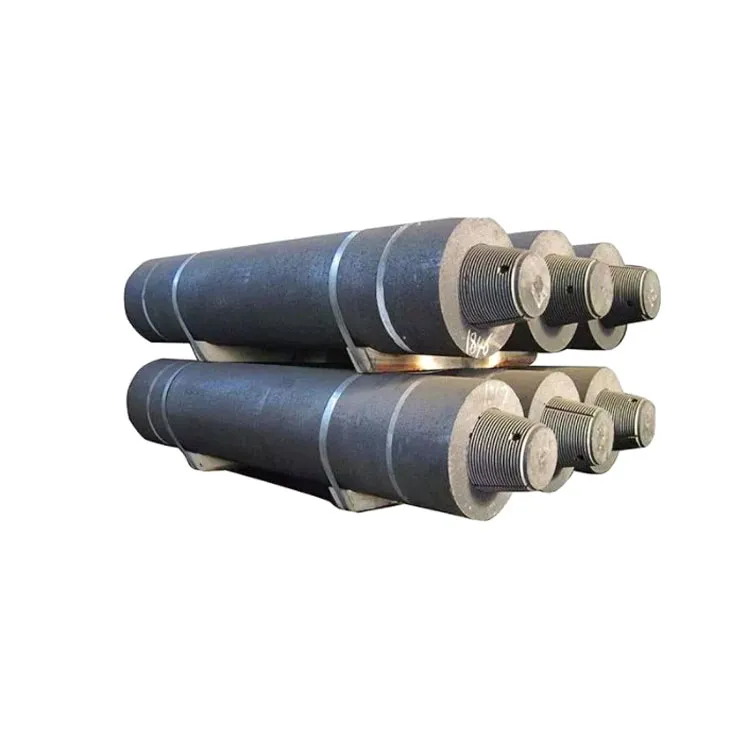
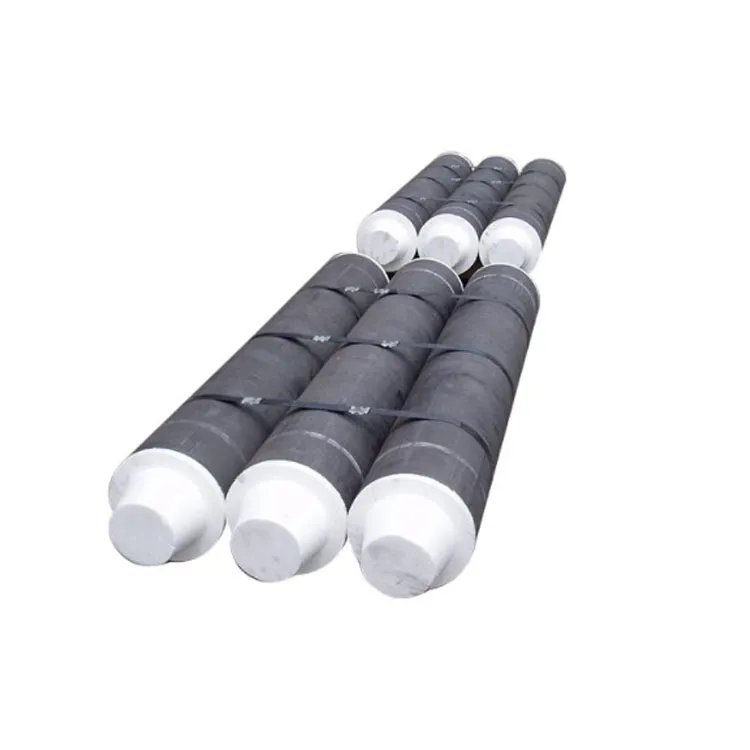
Graphite electrodes serve as the critical interface between the power supply and the furnace charge. Their conductive properties directly influence energy transfer efficiency, with resistivity—the measure of a material's opposition to electric current—acting as the key performance indicator. Industry data shows that for every 1 microohm-meter reduction in electrode resistivity, arc furnaces can achieve energy savings of 2.1-3.5 kWh per ton of steel produced.
Consider this: a typical electric arc furnace operating with conventional graphite electrodes (resistivity 8-10 μΩ·m) consumes approximately 450-550 kWh per ton of steel. By switching to high-conductivity electrodes with resistivity values below 6.5 μΩ·m, operators have documented energy reductions of 8-12%, translating to savings of $12-18 per ton based on average industrial electricity costs of $0.15/kWh.
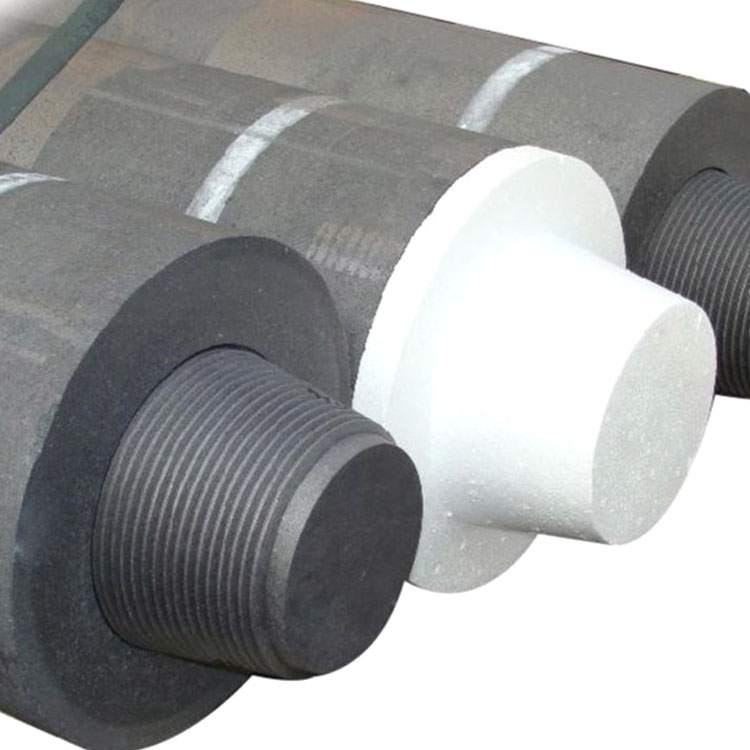
The foundation of electrode conductivity lies in raw material selection. Needle coke, characterized by its highly ordered, needle-like crystalline structure, provides superior electrical conductivity compared to traditional petroleum coke. This structural difference results in a 30-40% reduction in resistivity, as the aligned graphitic structure creates more efficient pathways for electron flow.
Modern electrode manufacturers like Sunrise utilize premium needle coke sourced from specialized refineries, ensuring consistent crystalline formation. Laboratory analysis confirms that needle coke-based electrodes maintain 15-20% higher conductivity throughout their service life compared to petroleum coke alternatives, even under extreme thermal stress.
While raw materials establish the baseline, advanced manufacturing processes further enhance conductivity. Graphitization—the process of heating carbon to temperatures exceeding 2800°C—aligns the carbon atoms into a more ordered structure. State-of-the-art facilities employing precise temperature control can achieve graphitization levels that reduce resistivity by an additional 18-22% compared to standard processing.
Complementary processes like impregnation and coating further optimize performance. By infiltrating the electrode with pitch and applying specialized coatings, manufacturers can reduce porosity by up to 35%, minimizing electrical losses and improving thermal shock resistance—critical factors in maintaining conductivity during the rapid temperature fluctuations of arc furnace operation.
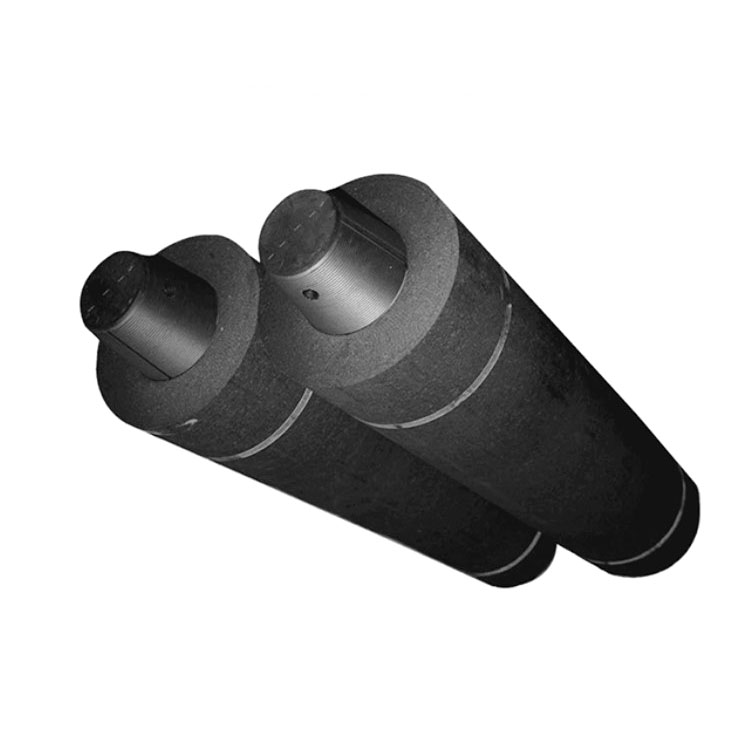
The theoretical benefits of high-conductivity electrodes translate to tangible results in industrial settings. A leading European steel producer recently upgraded to high-conductivity graphite electrodes and documented impressive improvements across key performance metrics:
Similarly, a North American mini-mill specializing in specialty steels reported that after implementing high-conductivity electrodes, their power factor improved from 0.89 to 0.94, reducing reactive power charges by $72,000 annually in addition to direct energy savings.
Choosing the optimal graphite electrode involves balancing conductivity with other critical factors. While resistivity is important, operators must also consider:
Electrodes must withstand rapid temperature changes. Look for products with thermal expansion coefficients below 2.5 x 10⁻⁶/°C to minimize cracking during furnace cycling.
Flexural strength exceeding 25 MPa ensures electrodes can withstand the mechanical stresses of arc furnace operation without breakage.
High-density electrodes (≥1.78 g/cm³) typically offer better conductivity and longer service life due to reduced porosity.
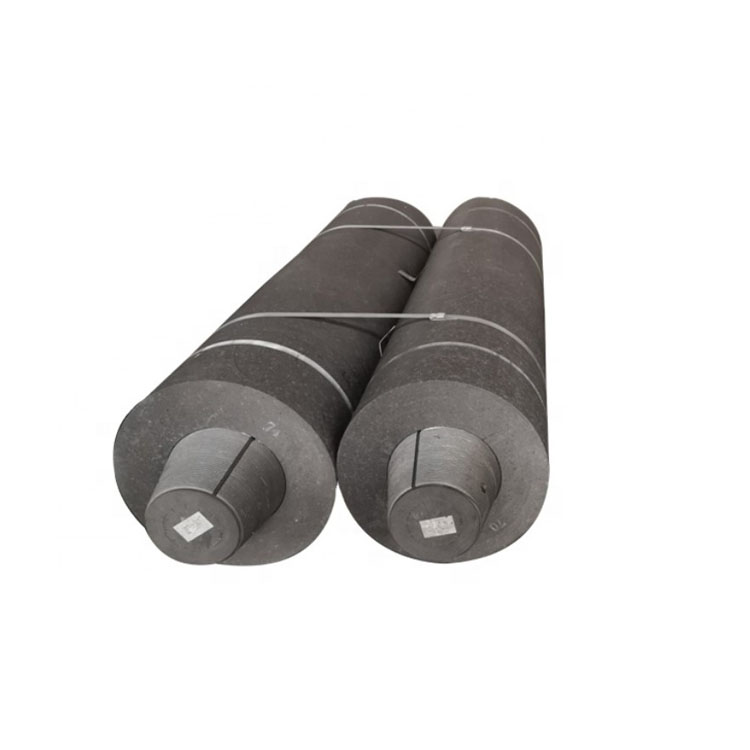
In today's energy-intensive steel manufacturing environment, the choice of graphite electrodes represents a significant opportunity for operational improvement. By prioritizing high-conductivity materials and advanced manufacturing processes, producers can achieve substantial energy savings while improving furnace stability and reducing maintenance requirements.
Discover how Sunrise high-conductivity graphite electrodes can reduce your energy consumption by 8-12% while improving production stability. Our engineering team will conduct a free energy assessment to determine your specific savings potential.
Request Your Free Energy AnalysisNote: Actual energy savings may vary depending on furnace type, operating conditions, and existing electrode performance. All performance claims are based on industry-standard testing protocols and verified customer data.