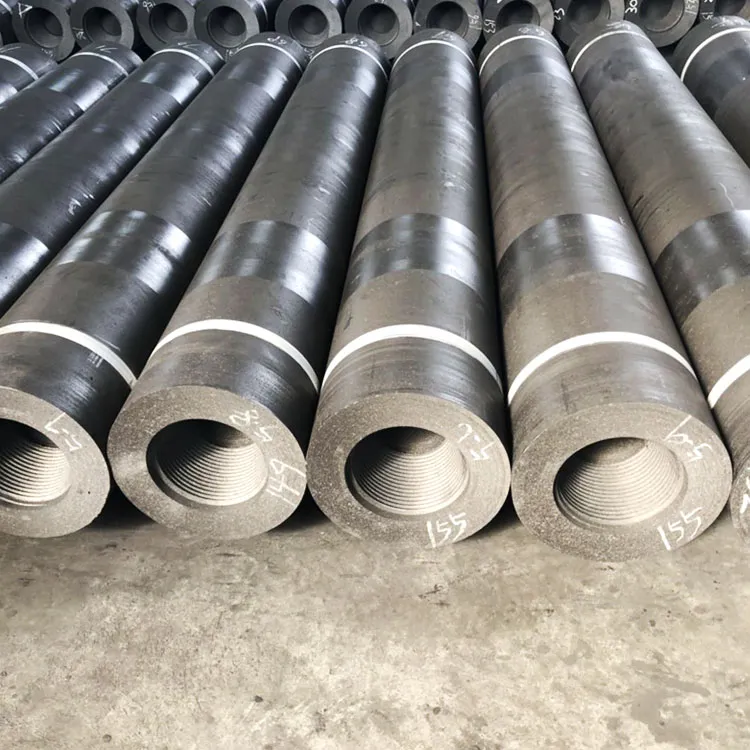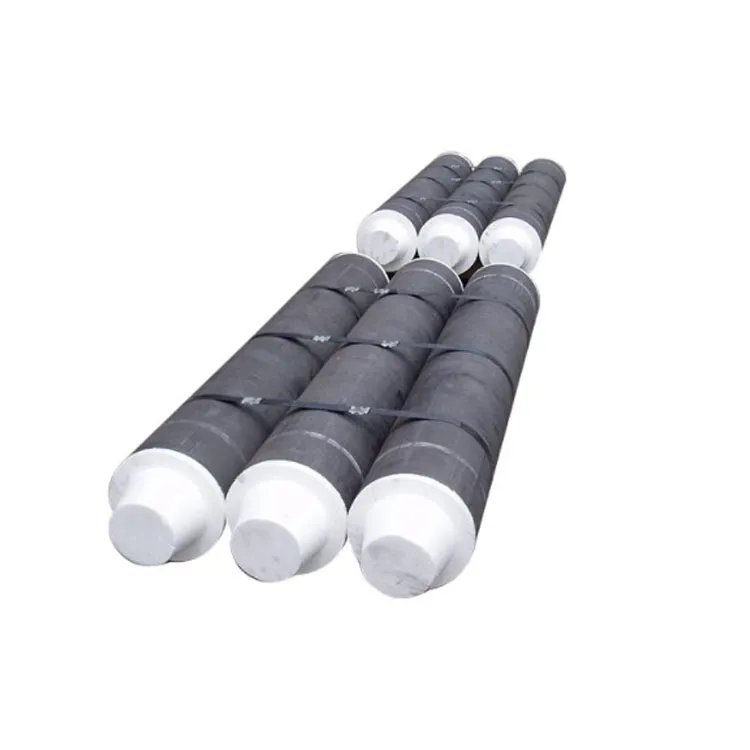
As an arc furnace operator or metallurgical plant manager, you've likely experienced the frustration of unexpected downtime caused by electrode issues. Studies show that 35% of arc furnace interruptions can be directly attributed to improper electrode matching, resulting in an average production loss of 4.2 hours per incident. This guide will walk you through the technical fundamentals of achieving optimal graphite electrode and furnace compatibility, helping you minimize operational disruptions and maximize production efficiency.
Before diving into technical specifications, it's crucial to recognize the tangible impact of electrode mismatch. Common issues include:
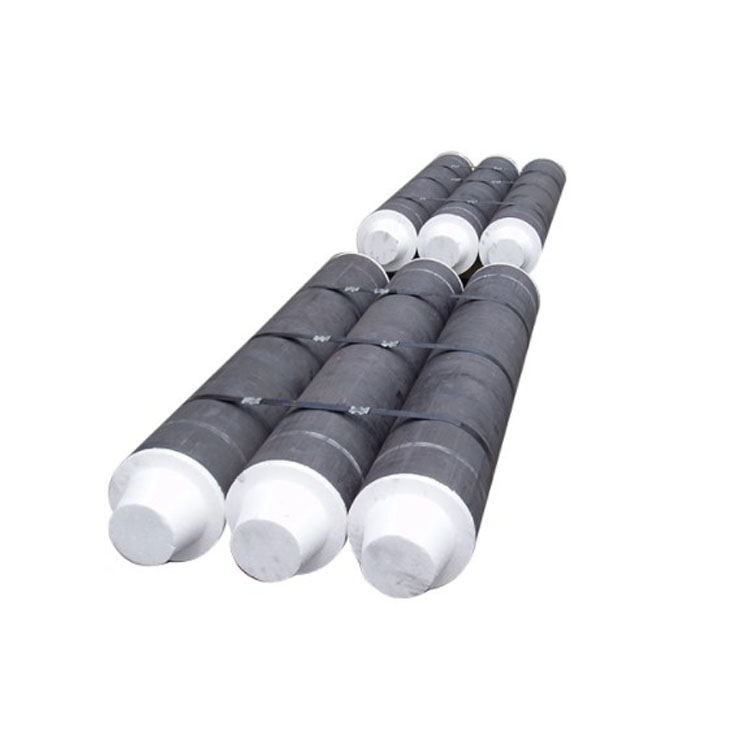
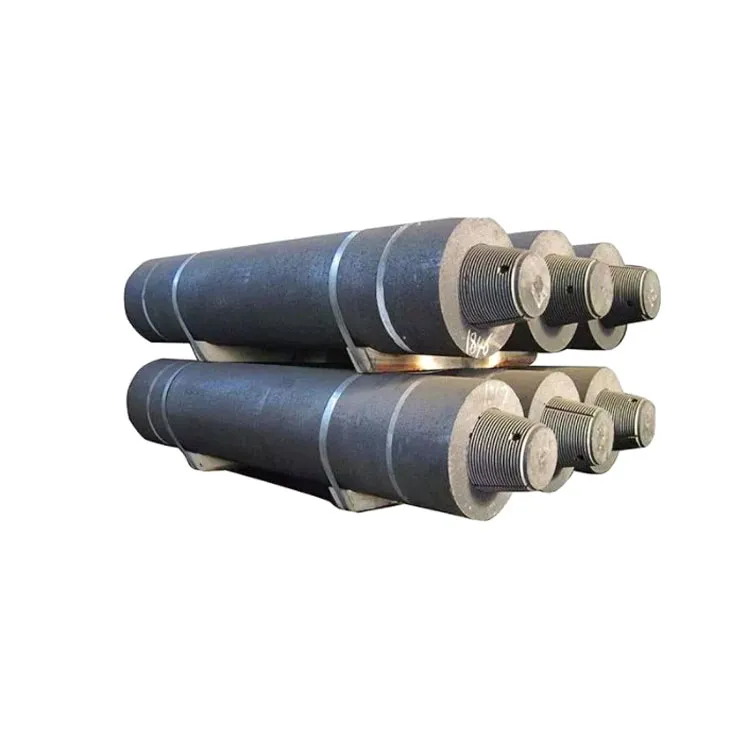
The dimensional precision of graphite electrodes directly impacts their performance in arc furnaces. International standards (ISO 8895) specify tolerance ranges for different electrode diameters:
| Electrode Diameter (mm) | Allowable Diameter Tolerance (mm) | Straightness Tolerance (mm/m) |
|---|---|---|
| 100-300 | ±0.5 | ≤0.8 |
| 301-500 | ±0.8 | ≤1.0 |
| 501-700 | ±1.0 | ≤1.2 |
When measuring electrode dimensions, use calibrated digital calipers with at least 0.01mm precision. For straightness checks, employ a precision level or laser alignment tool across the full length of the electrode.
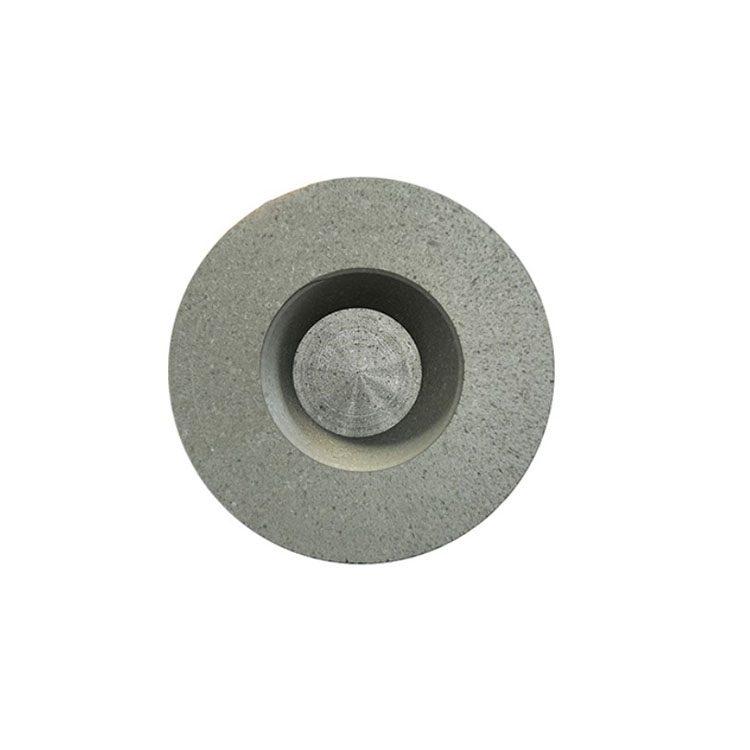
Poor end face flatness causes uneven current distribution, leading to localized overheating and premature wear. The industry standard requires a maximum deviation of 0.05mm per 100mm diameter for optimal performance.
Expert Insight: "We've found that even a 0.1mm deviation on electrode end faces can increase energy consumption by 3-5% and reduce electrode life by up to 15%," explains John Chen, Senior Metallurgical Engineer with 20 years of arc furnace experience.
Graphite electrodes must withstand extreme thermal and mechanical stresses. Key mechanical properties to verify include:
Sunrise graphite electrodes are manufactured using high-quality needle coke and advanced graphitization processes, ensuring consistent mechanical properties even under the extreme conditions of electric arc furnaces. This attention to material quality directly translates to improved compatibility and longer electrode life.
The gap between the electrode and holder is critical for both stability and electrical conductivity. Use the following formula to determine the ideal clearance:
Optimal Clearance (mm) = 0.0015 × Electrode Diameter (mm) + 0.2
For example, a 400mm diameter electrode would require a clearance of approximately 0.8mm. Always verify clearance after initial installation and after the first heat cycle, as thermal expansion can alter dimensions.
Even with careful selection, compatibility issues may arise. Use this troubleshooting framework to identify and resolve common problems:
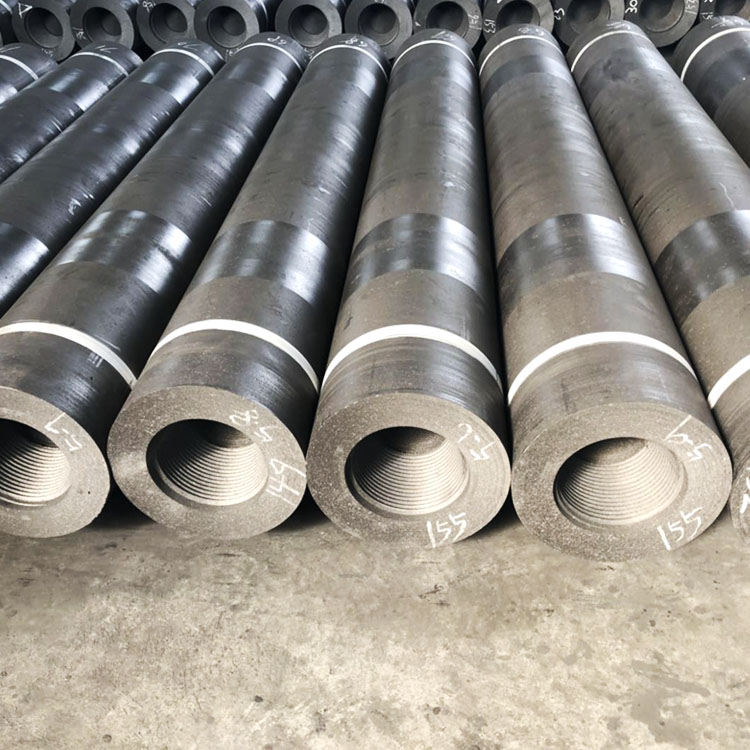
Potential Causes:
Solution: Measure clearance and straightness, replace worn components, and ensure proper torque on clamping systems (typically 450-650 Nm depending on electrode size).
By systematically addressing these technical factors, you can achieve optimal graphite electrode and arc furnace compatibility, reducing downtime by an average of 30-40% according to industry benchmarks. The key is to view electrode selection not as a simple purchasing decision, but as a critical engineering process that directly impacts your bottom line.
Discover how Sunrise graphite electrodes' precision manufacturing and quality control can enhance your furnace compatibility and reduce operational costs.
Get Your Custom Electrode Compatibility AssessmentRemember that electrode compatibility is an ongoing process requiring regular monitoring and adjustment. Implementing a structured inspection program, where dimensional and performance data is tracked over time, will help you identify trends and make proactive adjustments before minor issues become major problems. The investment in proper electrode selection and maintenance consistently delivers returns in the form of improved efficiency, reduced downtime, and lower overall operating costs.