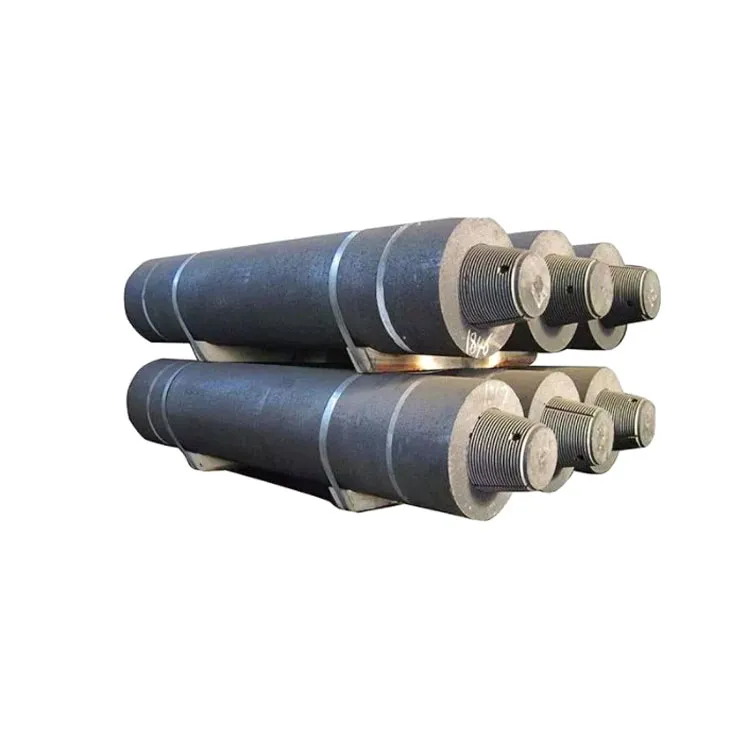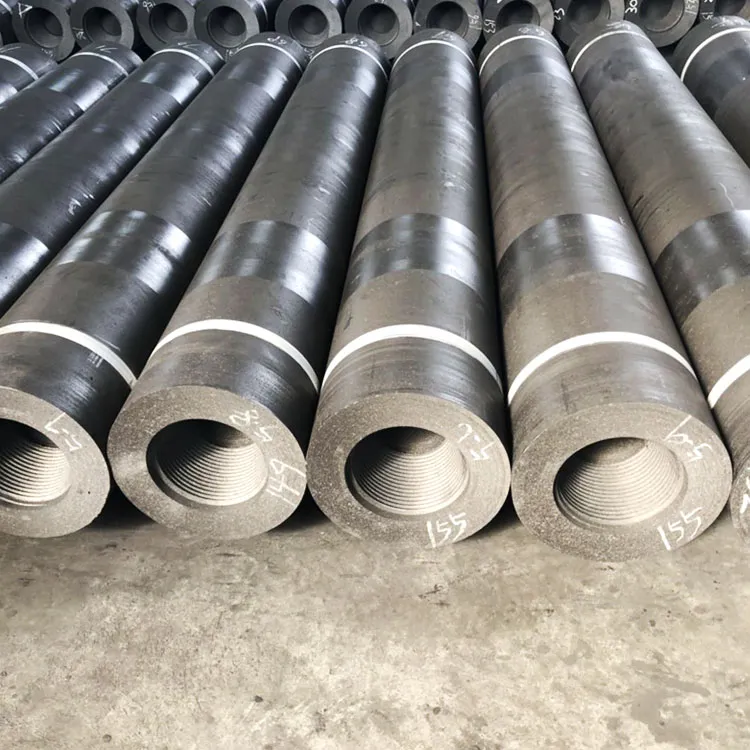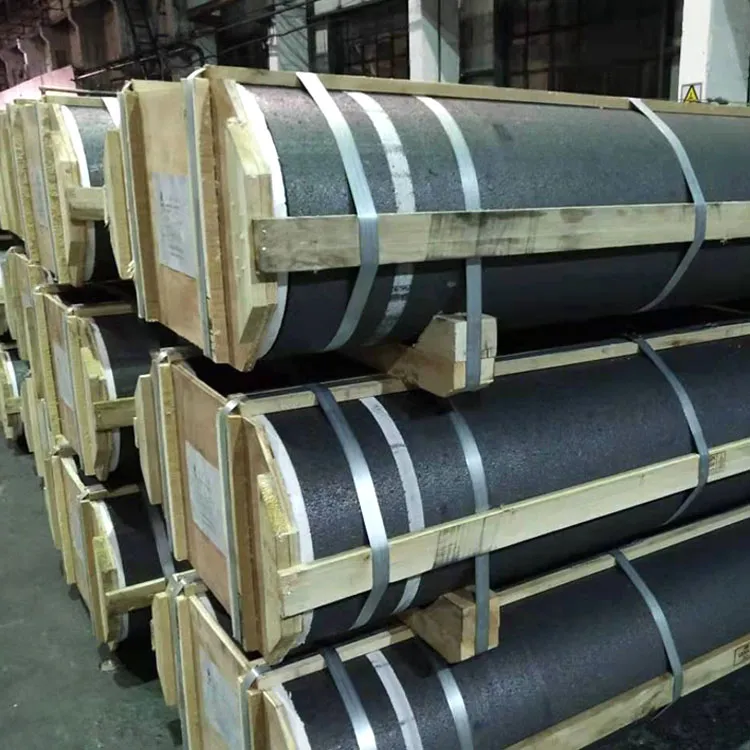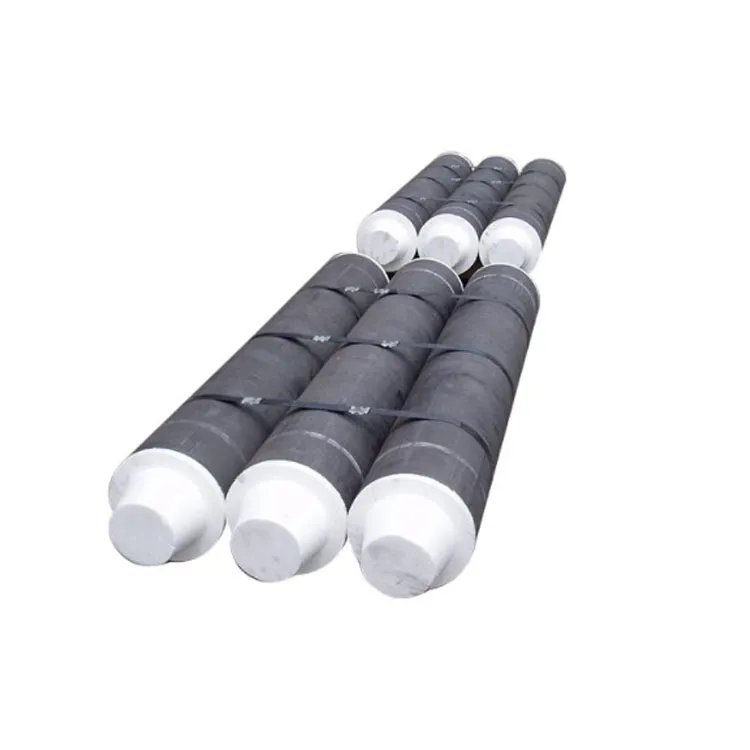
Nothing disrupts a foundry's productivity like an arc furnace operating at less than optimal efficiency. If you've been experiencing unexpected shutdowns, irregular melting times, or equipment vibrations, the root cause might be simpler than you think: electrode mismatch. Studies show that up to 30% of arc furnace performance issues can be traced to improperly matched graphite electrodes, leading to average losses of $12,000 per hour of downtime in medium-sized foundries.
At Sunrise, we understand that precision matters in metallurgical operations. That's why our engineering team has developed this practical guide to help you determine if your graphite electrodes are truly compatible with your specific arc furnace model. Let's dive into the critical factors that ensure perfect electrode-furnace harmony.
Achieving optimal arc furnace performance requires three critical compatibility factors working in unison:
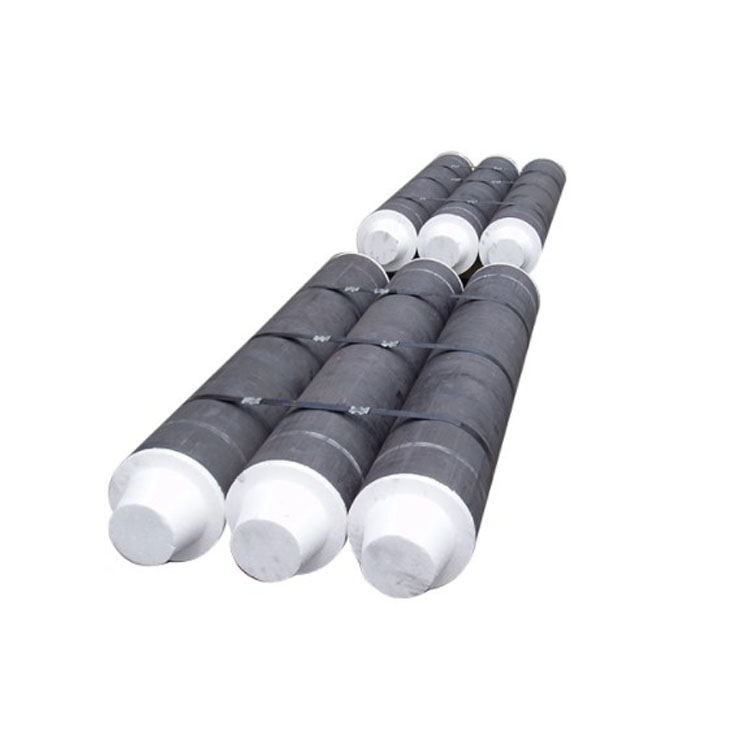
Even minor deviations in electrode diameter can cause significant operational issues. Here's how to perform accurate measurements:
Our Sunrise CNC precision machining ensures that every electrode meets these exacting standards, with 98.7% of our production falling within ±0.2mm tolerance – well beyond industry requirements.
An uneven electrode end face can cause localized arcing, increased power consumption, and premature wear. To properly measure flatness:
Recommended Tools:
Place the electrode end face on a flat surface and position the straightedge across the diameter in multiple orientations. Use feeler gauges to measure any gaps between the straightedge and electrode surface. Acceptable flatness for most arc furnace applications is ≤0.05mm total indicator runout.
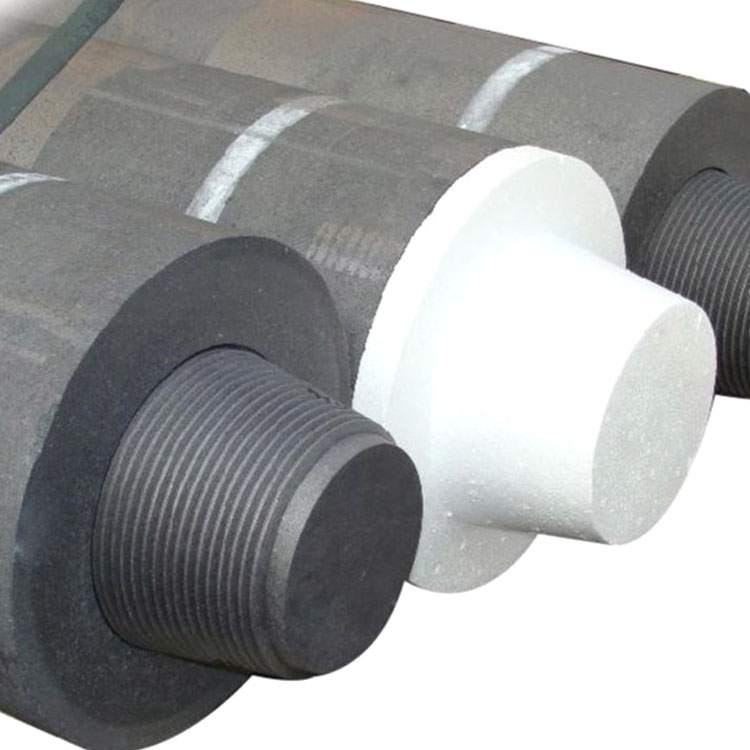
The gap between your electrode and furnace clamping mechanism is critical for both electrical conductivity and mechanical stability. Use this formula to determine the ideal clearance:
Where:
This formula accounts for thermal expansion during operation while maintaining proper electrical contact. A clearance outside the 0.3-0.7mm range often leads to either excessive heat buildup or unstable electrode positioning.
Let's examine two frequent scenarios our technical support team encounters and how proper electrode selection resolved them:
A steel mill was experiencing severe arcing between electrodes, causing production delays and safety concerns. Our analysis revealed end face flatness deviations up to 0.18mm on their previous electrodes. After switching to Sunrise precision-ground electrodes with consistent flatness (≤0.03mm), arcing incidents decreased by 92% within the first week.
An alloy producer was replacing electrodes 30% more frequently than industry averages. Dimensional analysis showed inconsistent diameter tolerance (±1.2mm) on their current supply. Implementing Sunrise CNC-machined electrodes with tight tolerance control reduced consumption rates to industry benchmark levels, saving approximately $45,000 annually.
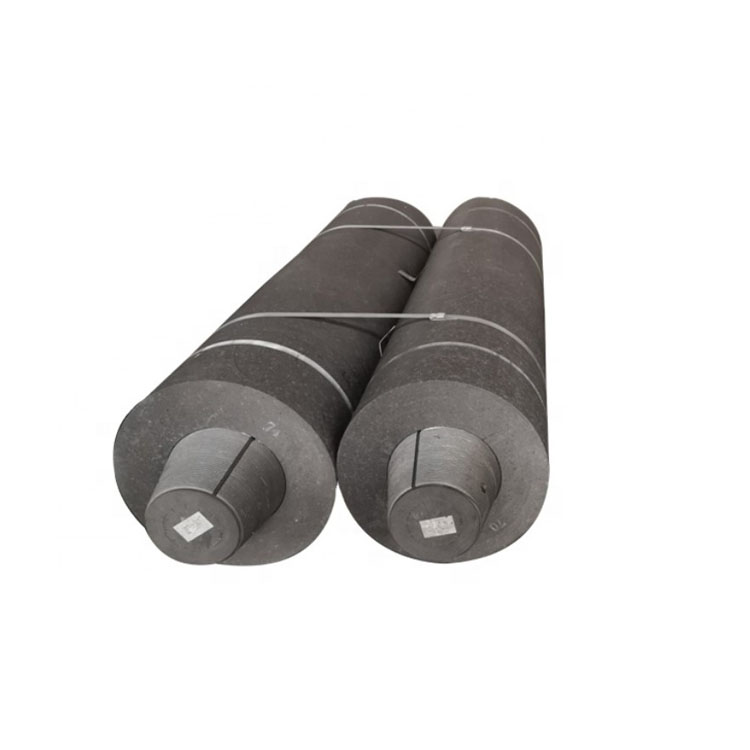
Different arc furnace applications demand specific electrode characteristics:
| Furnace Type | Critical Parameters | Sunrise Recommendation |
|---|---|---|
| Scrap Steel Melting | High thermal shock resistance, medium density (1.75-1.80 g/cm³) | RS-450 Grade with precision ground ends |
| Alloy Production | High mechanical strength, low electrical resistivity | HP-550 Grade with enhanced threading |
| Specialty Metals | Ultra-high purity, consistent density | UHP-650 Grade with custom dimensional tolerances |
Have you noticed specific patterns in your electrode performance that don't match these scenarios? Every foundry operation has unique challenges, and our technical team has likely encountered – and solved – similar issues.
Our team of metallurgical engineers will conduct a free compatibility assessment for your specific furnace model and production requirements.
Get Your Custom Electrode Compatibility ReportRemember, in the competitive world of metallurgy, even small improvements in electrode performance can translate to significant cost savings and productivity gains. By ensuring proper electrode-furnace compatibility, you're not just maintaining equipment – you're investing in your operation's profitability and long-term success.
At Sunrise, we don't just manufacture graphite electrodes; we engineer solutions that precisely match your unique operational needs. Our CNC precision machining ensures that every electrode delivers consistent performance, helping you reduce downtime, minimize consumption, and maximize productivity.