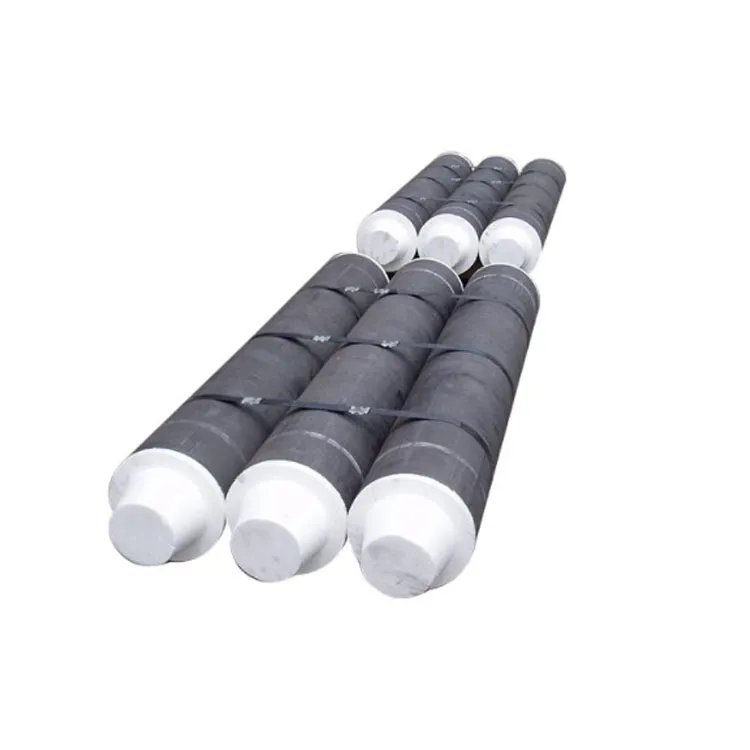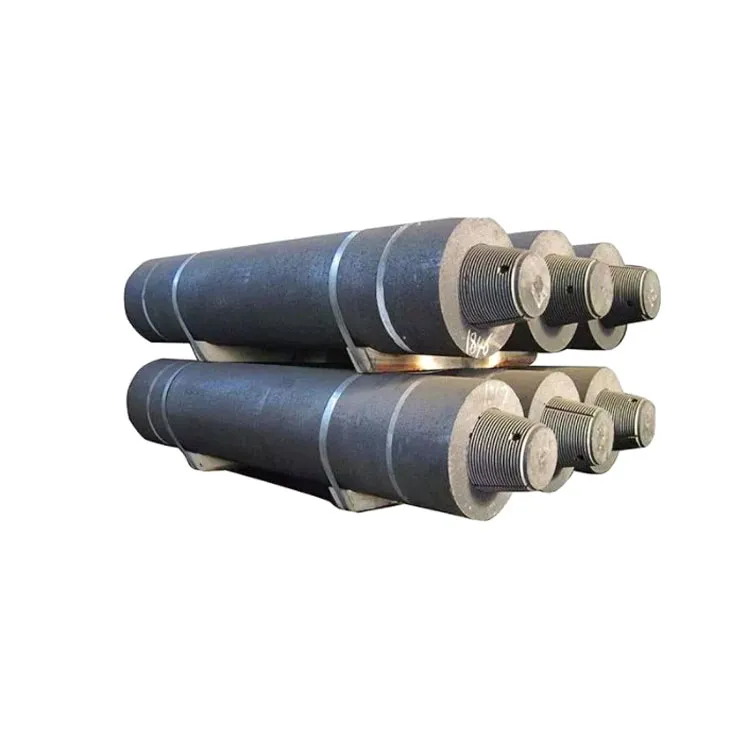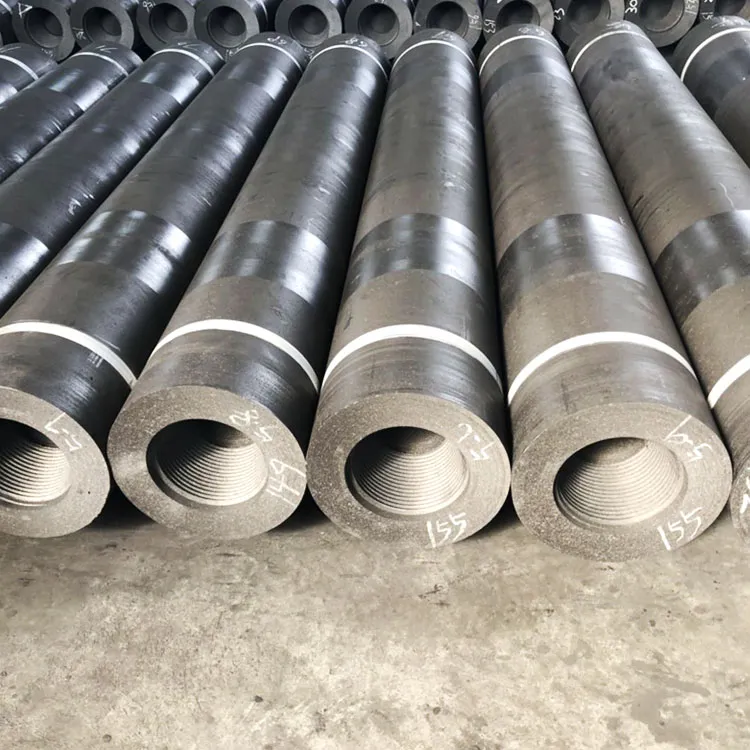
Did you know? A 0.1mm deviation in graphite electrode flatness can reduce electric arc furnace efficiency by up to 8% and increase energy consumption by 12% annually, according to industry research data.
Electric Arc Furnaces (EAFs) represent the backbone of modern steel production, with over 70% of specialty steels worldwide produced using this technology. At the heart of every EAF lies a critical interface – the connection between graphite electrodes and the furnace itself. This seemingly simple connection directly impacts production efficiency, energy consumption, and operational safety.
Industry statistics show that approximately 30% of unplanned EAF downtime can be attributed to electrode-related issues, resulting in average losses of $50,000-$150,000 per hour depending on production capacity. The key to avoiding these costly interruptions lies in understanding and ensuring proper electrode-furnace compatibility.
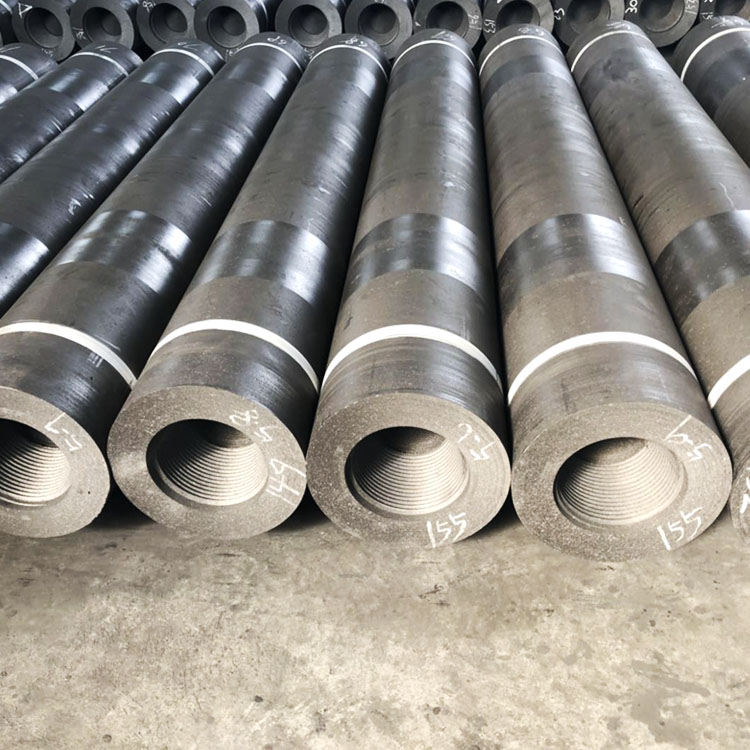
Graphite electrode diameter and length tolerances must align precisely with furnace specifications. Industry standards typically require diameter tolerances within ±0.5mm for standard electrodes and ±0.3mm for high-power applications.
When electrodes deviate from these specifications, improper current distribution occurs, leading to uneven heating, increased electrode consumption (up to 15% higher in severe cases), and potential mechanical stress on furnace components.
The flatness of electrode end faces directly affects current transfer efficiency. The industry standard for premium electrodes requires a flatness tolerance of ≤0.05mm per 100mm length. This precision ensures maximum contact area between electrode segments.
Even minor deviations (0.1mm or more) can create "hot spots" at the connection points, increasing electrical resistance by 20-30% and significantly reducing energy efficiency while accelerating electrode wear.
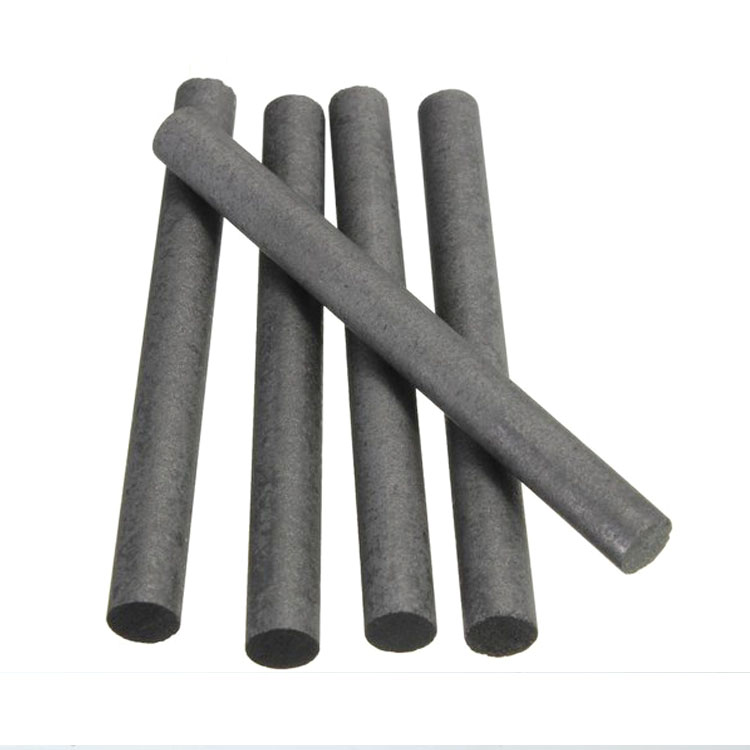
Graphite electrodes must withstand extreme thermal and mechanical stresses during operation. Key mechanical properties include flexural strength (typically 12-18 MPa for high-power electrodes) and compressive strength (45-65 MPa).
Insufficient mechanical strength can lead to electrode breakage, a serious safety hazard that can cause furnace downtime of 8-16 hours for cleanup and replacement.
Proper installation gap between electrode segments is critical. The optimal gap is typically 0.1-0.3mm, calculated using the formula:
Optimal Gap (mm) = 0.0015 × Electrode Diameter (mm) + 0.05
Incorrect gap sizing can cause either excessive electrical resistance (too large) or mechanical stress during thermal expansion (too small).
Modern CNC (Computer Numerical Control) machining has revolutionized graphite electrode production. Unlike traditional manufacturing methods, CNC technology achieves precision levels of ±0.02mm, ensuring consistent quality across every electrode.
Sunrise utilizes state-of-the-art 5-axis CNC machining centers that produce electrodes with exceptional dimensional accuracy and surface finish. This advanced manufacturing process eliminates the variability common in conventional production, ensuring each electrode meets exact specifications for your specific EAF model.
| Common Electrode-Furnace Compatibility Issues | Potential Causes | Diagnostic Method |
|---|---|---|
| Excessive electrode vibration | Dimensional tolerance deviation, uneven end faces | Dial indicator measurement, laser alignment check |
| Abnormal arcing patterns | Poor end face flatness, improper gap | Visual inspection, voltage drop measurement |
| Premature electrode consumption | Incorrect mechanical strength, alignment issues | Weight loss measurement, cross-section analysis |
| Connection overheating | Insufficient contact area, contamination | Infrared temperature scanning, resistance testing |
"We were experiencing persistent arcing issues and 12% higher energy consumption until we switched to precision-machined electrodes. The difference was immediate – our electrode consumption decreased by 9%, and we reduced unplanned downtime by over 60% in the first quarter alone."
— John Reynolds, EAF Maintenance Manager, Midwest Steel Corp.
Another common scenario involves facilities operating multiple furnace models. Each furnace type may require slightly different electrode specifications despite similar power ratings. Custom electrode solutions address these unique requirements, ensuring optimal performance across all equipment.
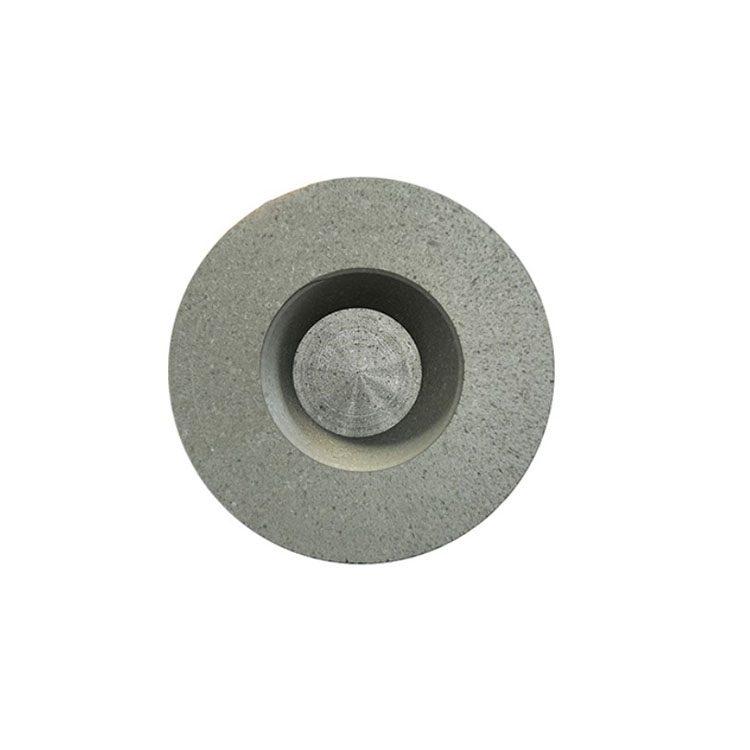
Establishing a regular electrode compatibility assessment program can prevent many common issues. This program should include:
By implementing these practices, steel producers typically see a 5-10% improvement in energy efficiency and 15-20% reduction in electrode consumption, leading to significant cost savings over time.
Discover how Sunrise precision CNC-machined graphite electrodes can transform your furnace efficiency and reduce operational costs.
Get Your Custom Electrode Compatibility AssessmentRemember that electrode compatibility is not a one-time consideration but an ongoing process that evolves with your equipment, production goals, and operational conditions. By prioritizing precision and quality in your graphite electrode selection, you're investing in the long-term efficiency, safety, and profitability of your EAF operations.