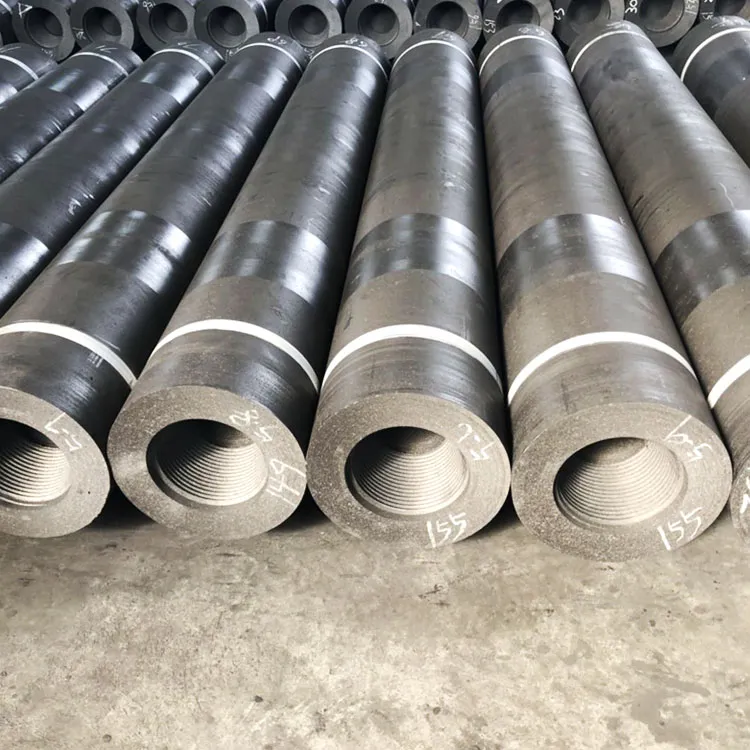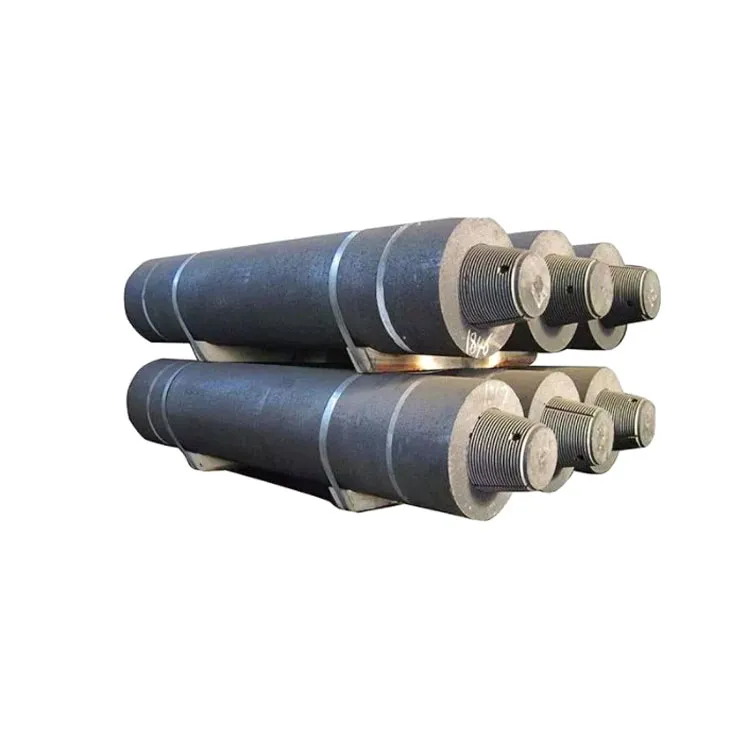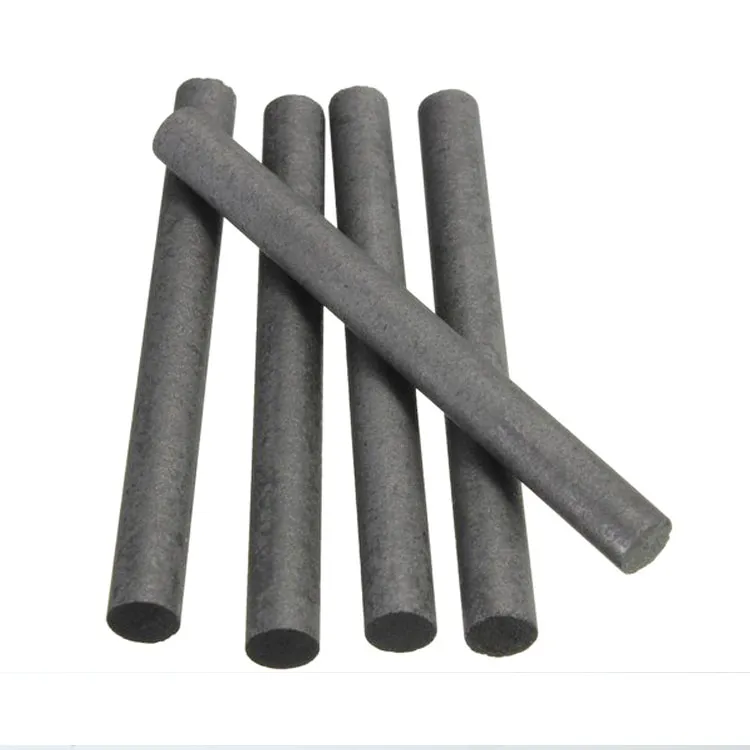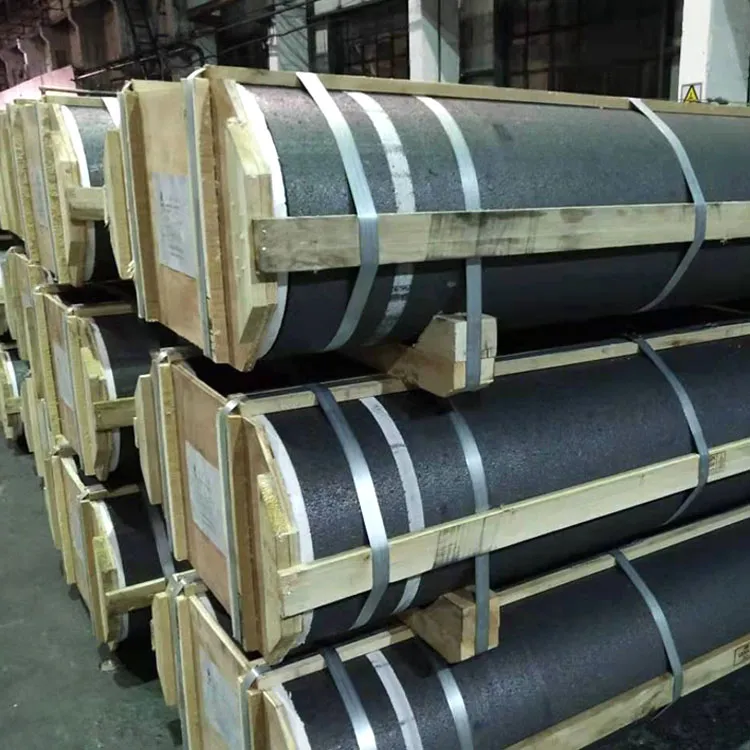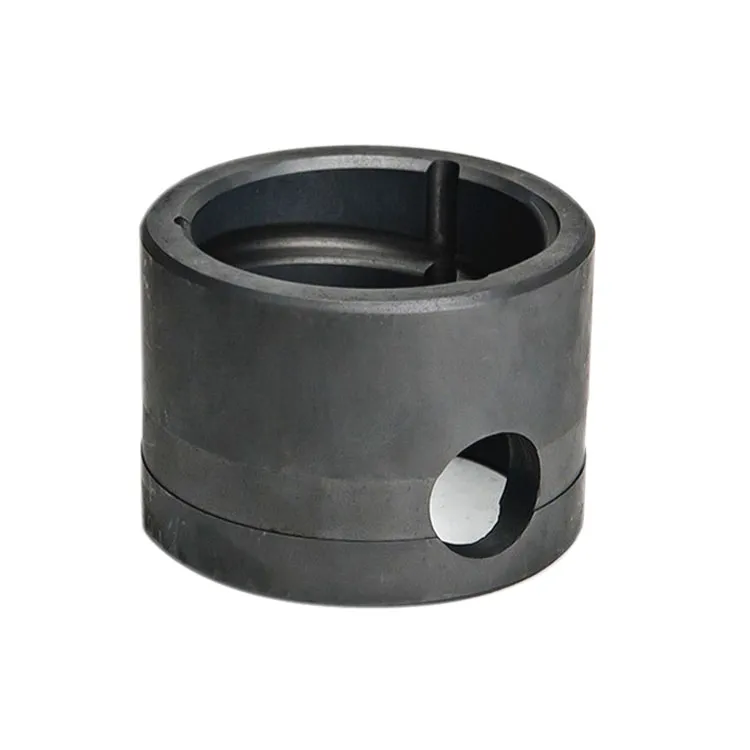
In the realm of precision analytical instrumentation, every component plays a vital role in ensuring accurate and reliable results. Among these components, graphite coated roller cores stand as unsung heroes, quietly contributing to the performance and longevity of spectroscopic analysis systems. As laboratories and industrial facilities push for higher precision and longer operational lifespans, understanding the technical nuances of these critical components becomes increasingly important.
"The stability of our spectroscopic measurements improved by 18% after upgrading to Sunrise graphite coated roller cores. Our maintenance intervals have doubled, significantly reducing downtime in our quality control lab."
— Dr. Michael Chen, Quality Control Director, Pharmaceutical Analysis Division
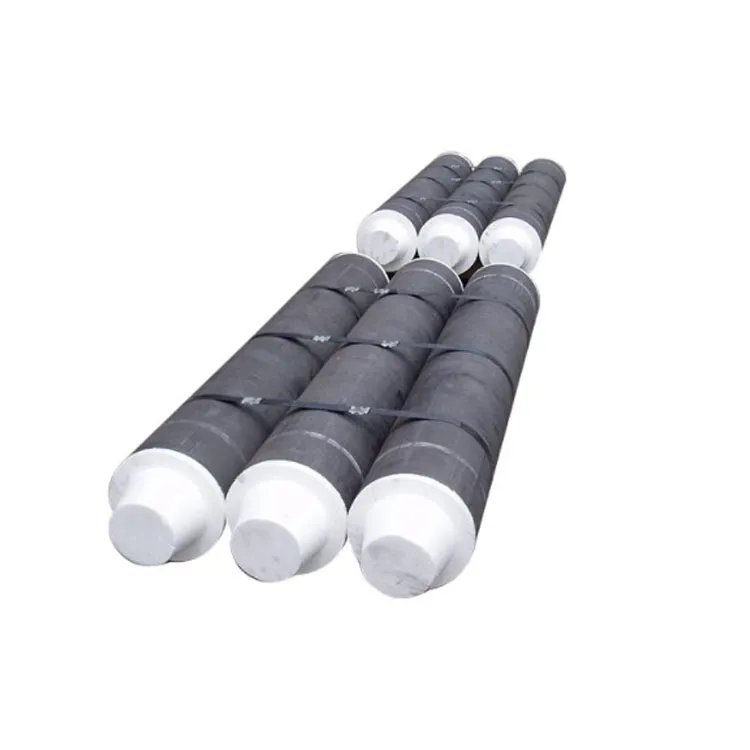
Graphite coated roller cores serve multiple critical functions within spectroscopic instruments. Their primary role involves facilitating precise sample positioning and movement, directly impacting measurement accuracy. The low friction properties of the graphite coating ensure consistent motion control, which is essential for maintaining the optical alignment required for reliable spectral analysis.
Beyond motion control, these components contribute to thermal management within the instrument. The graphite coating exhibits excellent thermal conductivity, helping dissipate heat generated during operation. This thermal stability is particularly crucial for near-infrared and Raman spectroscopy applications, where temperature fluctuations can introduce measurement errors exceeding ±0.5% in spectral readings.
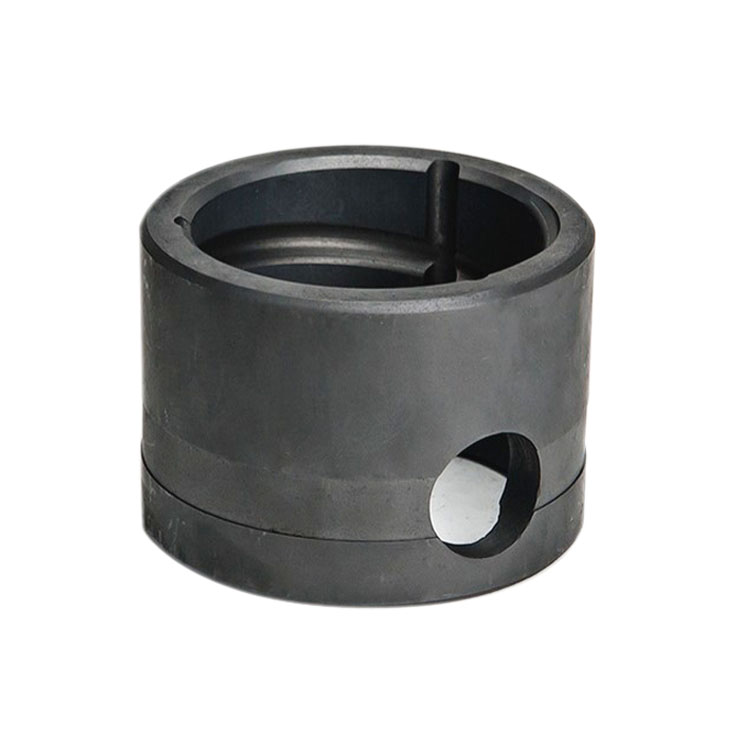
The performance of graphite coated roller cores begins with material selection. Sunrise utilizes进口优质材料 (imported high-quality materials) sourced from specialized suppliers, ensuring base materials with consistent mechanical properties. The core typically consists of high-strength alloy steel with a Rockwell hardness of HRC 58-62, providing the necessary structural integrity for precision applications.
The coating process represents the pinnacle of precision engineering. Advanced physical vapor deposition (PVD) techniques apply the graphite coating in controlled thicknesses ranging from 8-12 microns. This process ensures uniform coverage with surface roughness values (Ra) consistently below 0.2 μm, critical for minimizing light scattering and ensuring smooth sample movement.
| Performance Metric | Sunrise Graphite Coated Roller | Standard Steel Roller |
|---|---|---|
| Coefficient of Friction | 0.15-0.20 | 0.45-0.55 |
| Wear Resistance | >100,000 cycles | ~30,000 cycles |
| Temperature Stability | -40°C to 250°C | -20°C to 150°C |
| Dimensional Tolerance | ±0.002mm | ±0.01mm |
The diverse landscape of spectroscopic instruments demands tailored solutions. Sunrise employs a comprehensive five-step customization process to ensure perfect compatibility with major spectrometer brands including Thermo Fisher, PerkinElmer, and Shimadzu. This process begins with precise dimensional analysis using 3D scanning technology capable of capturing measurements with 0.001mm accuracy.
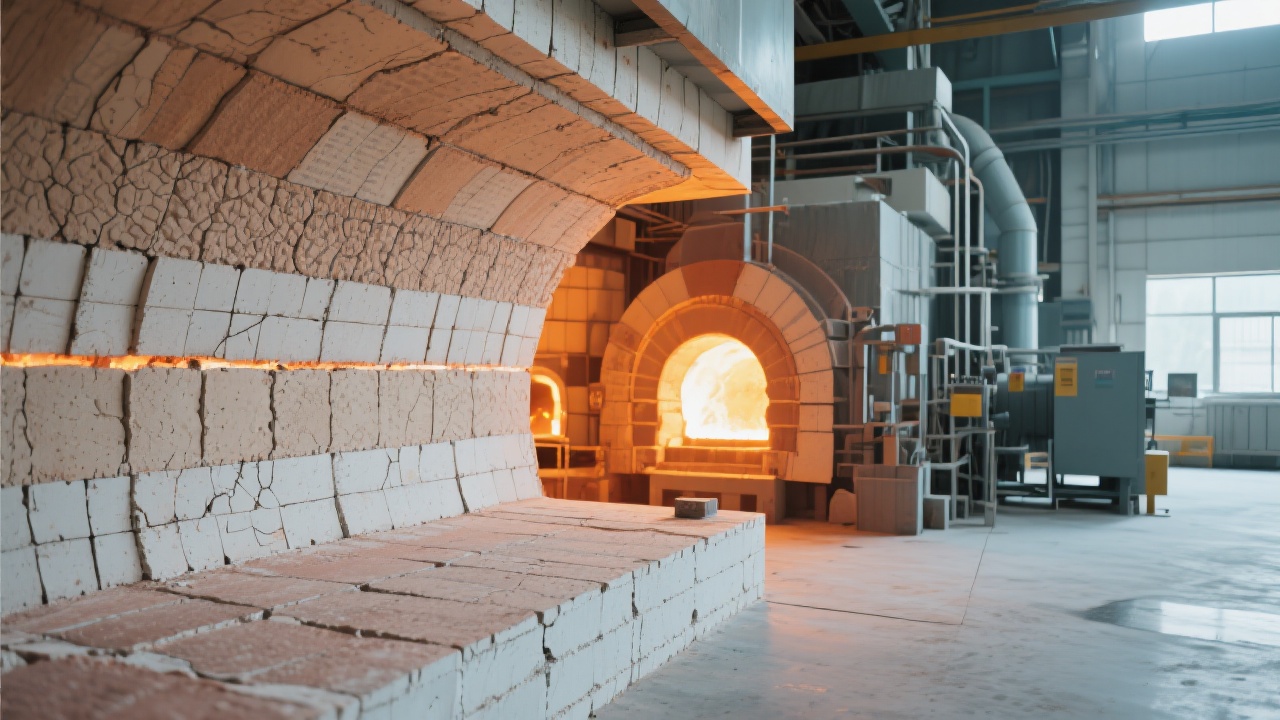
Following measurement analysis, engineers develop custom designs addressing specific load requirements, environmental conditions, and operational parameters. Computer-aided engineering (CAE) simulations validate performance under various stress conditions before production begins. Post-manufacturing, each component undergoes rigorous testing including dimensional inspection, coating adhesion analysis, and functional performance verification.
In environmental monitoring applications, where continuous operation is critical, Sunrise graphite coated roller cores have demonstrated exceptional reliability. A recent case study at a municipal water treatment facility showed a 47% reduction in maintenance-related downtime after implementing these components in their elemental analysis spectrometers.
A leading automotive parts manufacturer implemented Sunrise graphite coated roller cores in their quality control spectroscopy systems. Key results after 6 months of operation included:
For pharmaceutical analysis applications requiring strict regulatory compliance, the dimensional stability of these components ensures consistent performance throughout validation cycles and routine operation. The graphite coating's chemical inertness prevents sample contamination, a critical factor in pharmaceutical quality control where even trace contaminants can invalidate results.
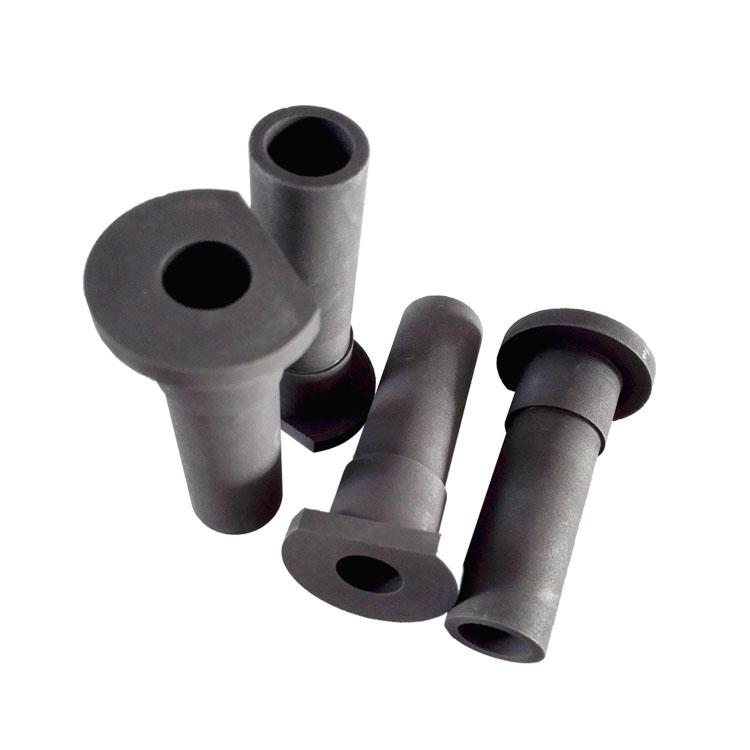
When selecting graphite coated roller cores for spectroscopic instruments, several key factors should be evaluated. Environmental operating conditions significantly impact performance—temperature range, humidity levels, and potential exposure to corrosive substances all influence material selection and coating specifications.
Operational parameters including rotational speed, load requirements, and duty cycle also play critical roles in component selection. Higher speed applications typically benefit from specialized lubricant-infused graphite coatings, while heavy-load scenarios may require reinforced core materials. Sunrise technical consultants work closely with clients to analyze these parameters and recommend optimal configurations.
Discover how Sunrise graphite coated roller cores can improve your spectroscopic analysis accuracy, reduce maintenance costs, and extend instrument lifespan.
Request Technical Specification GuideRegular maintenance and proper handling further optimize performance and longevity. While the graphite coating exhibits exceptional wear resistance, avoiding contact with sharp objects and ensuring proper alignment during installation prevents premature damage. Periodic inspection using non-destructive testing methods can identify potential issues before they impact instrument performance.
In the evolving landscape of analytical instrumentation, the choice of components directly impacts research outcomes, quality control results, and operational efficiency. By prioritizing precision-engineered components like Sunrise graphite coated roller cores, laboratories and industrial facilities can achieve new levels of performance while reducing total cost of ownership over the instrument lifecycle.