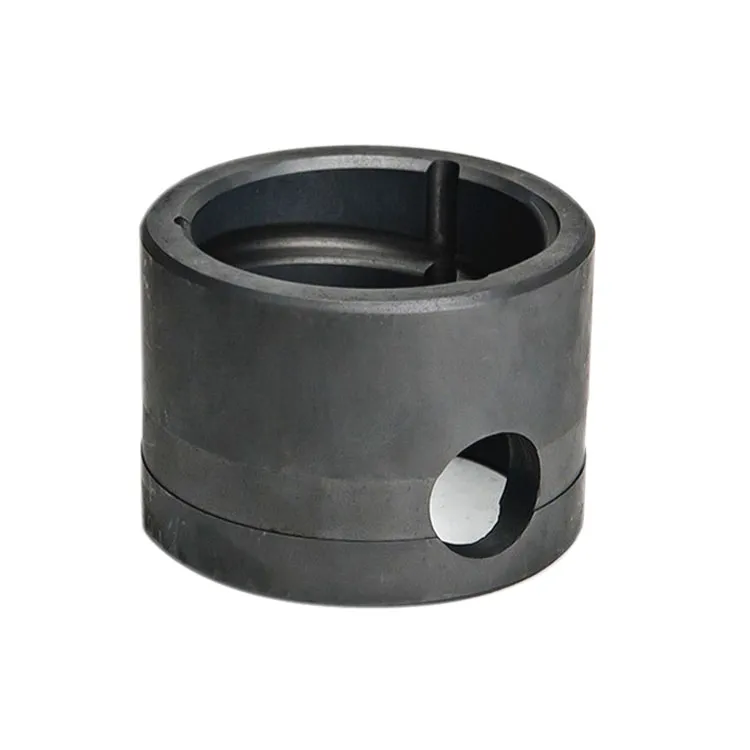
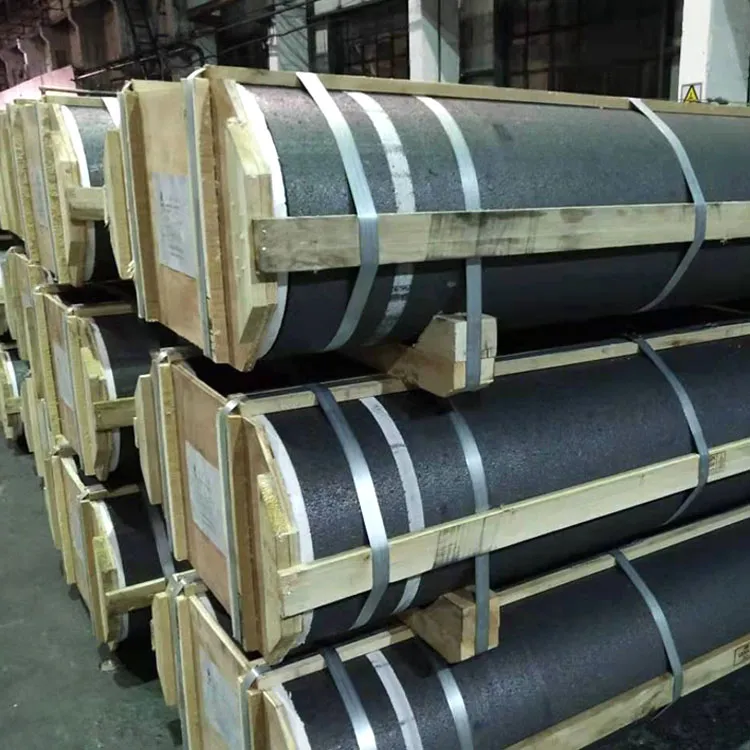
In the realm of industrial spectroscopy, where precision can mean the difference between product success and failure, the unsung heroes often lie in the components that form the backbone of analytical equipment. Among these, graphite coated roller cores have emerged as essential elements in modern spectroscopic instruments, particularly valued for their ability to maintain stability under extreme operating conditions. As industries from semiconductor manufacturing to environmental monitoring push the boundaries of analytical accuracy, understanding the technical superiority of these specialized components becomes increasingly important.
The remarkable thermal stability of graphite coated roller cores stems from a sophisticated combination of material properties and engineering precision. Unlike conventional graphite components, these specialized roller cores typically achieve operating temperatures up to 1200°C while maintaining dimensional integrity—a critical factor in spectroscopic applications where thermal expansion can introduce measurement errors exceeding ±2% in standard materials.
Sunrise's proprietary coating process further enhances these inherent advantages by creating a uniform surface with Ra values below 0.8μm, ensuring consistent light transmission characteristics across the ultraviolet (190-400nm), visible (400-700nm), and near-infrared (700-2500nm) spectral regions—critical for maintaining calibration integrity in multi-wavelength analysis systems.
Beyond material composition, the manufacturing tolerances of graphite coated roller cores directly impact spectroscopic performance. Advanced CNC machining processes achieve dimensional accuracies of ±0.002mm, ensuring concentricity that minimizes vibration-induced noise in measurement data. This level of precision translates to measurable improvements in analytical outcomes, with studies showing up to 18% reduction in signal-to-noise ratio compared to standard roller assemblies in high-resolution spectroscopy applications.
Particularly critical is the interface between the roller core and the spectroscopic sample handling system. Through proprietary surface treatment techniques, Sunrise graphite coated roller cores maintain consistent friction coefficients across operating temperatures, preventing sample slippage that could introduce positional errors exceeding 0.5mm—sufficient to compromise elemental identification in microanalysis scenarios.
In semiconductor wafer inspection, where nanoscale precision determines manufacturing yields, a leading semiconductor equipment manufacturer implemented Sunrise graphite coated roller cores in their spectroscopic defect analysis systems. The results were striking: equipment uptime increased by 23% due to reduced thermal-related maintenance, while measurement repeatability improved to ±0.3%—critical for detecting sub-micron defects in advanced chip fabrication processes.
Environmental monitoring applications have similarly benefited from this technology. A municipal water treatment facility upgraded their elemental analysis equipment with graphite coated roller cores, reporting a 35% reduction in calibration drift during extended monitoring cycles. This improvement directly translated to more reliable detection of heavy metal contaminants at concentrations below 10ppb, ensuring compliance with stringent environmental regulations.
While thermal stability remains a primary advantage, graphite coated roller cores offer a multifaceted performance package that addresses multiple challenges in spectroscopic analysis:
Resistance to common industrial solvents and reagents ensures longevity in harsh analytical environments, with typical service life exceeding 8,000 operating hours before maintenance is required.
Tensile strength of 65 MPa and flexural modulus of 12 GPa provide durability during high-speed sample handling, withstanding rotational speeds up to 3,500 RPM without performance degradation.
Optimized surface properties minimize spectral interference across 190-2500nm range, ensuring less than 0.5% signal attenuation in critical wavelength bands.
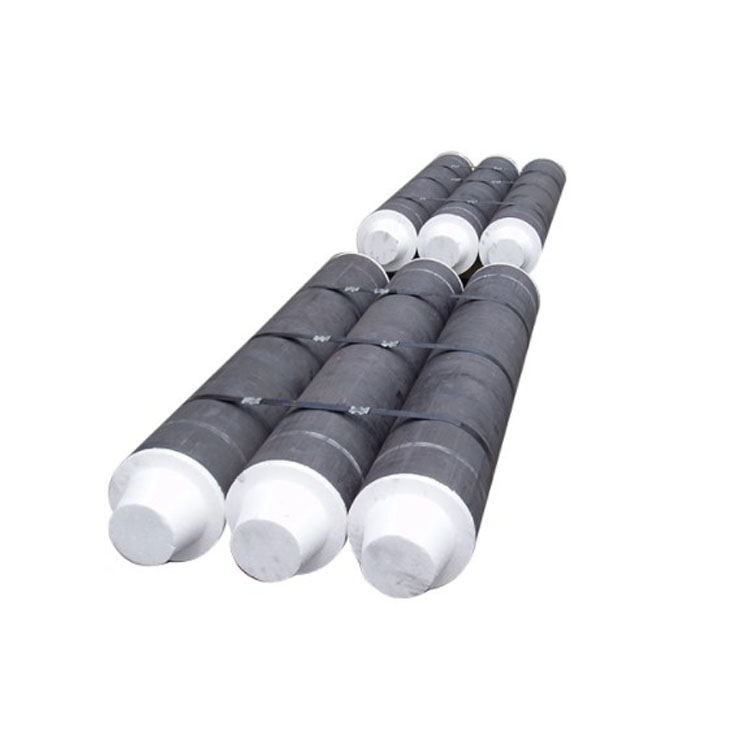
Choosing the right graphite coated roller core requires careful consideration of specific application parameters. Key factors include operating temperature range, spectral bandwidth requirements, sample material characteristics, and mechanical loading conditions. While standard configurations meet most industrial spectroscopy needs, specialized applications may benefit from custom-engineered solutions.
For instance, in pharmaceutical analysis where regulatory compliance is paramount, roller cores with traceable material certification and documented performance validation provide the necessary audit trail. Similarly, high-throughput production environments might prioritize designs optimized for maximum service interval between maintenance cycles.
Discover how Sunrise graphite coated roller cores can improve your analytical accuracy, reduce downtime, and extend equipment service life in even the most demanding industrial environments.
Get Your Customized Spectroscopy SolutionAs spectroscopic technologies continue to advance toward higher resolution and faster analysis times, the foundational components like graphite coated roller cores will play an increasingly vital role in determining system performance. By prioritizing thermal stability, dimensional precision, and material compatibility, manufacturers can achieve new levels of analytical excellence while reducing total cost of ownership through extended equipment lifespan and reduced maintenance requirements.