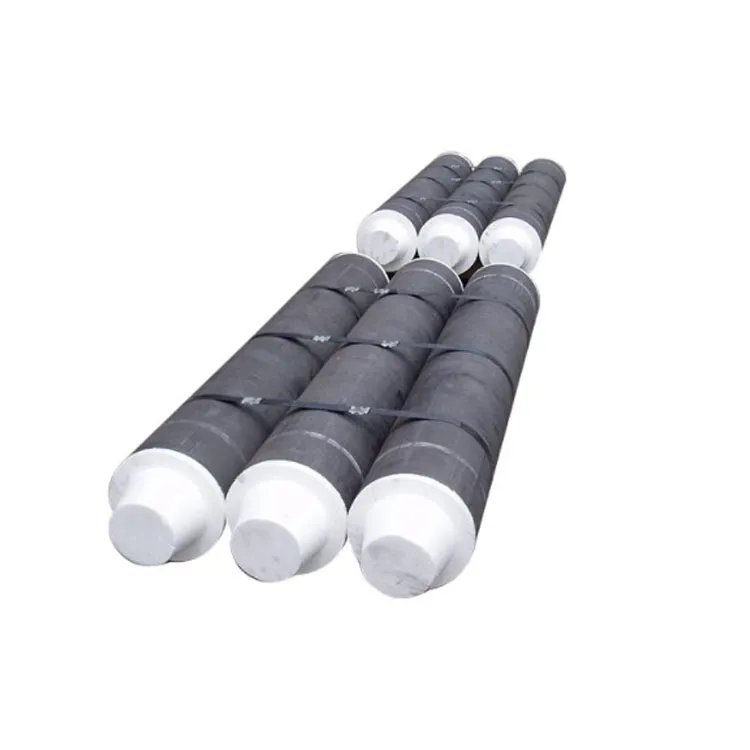
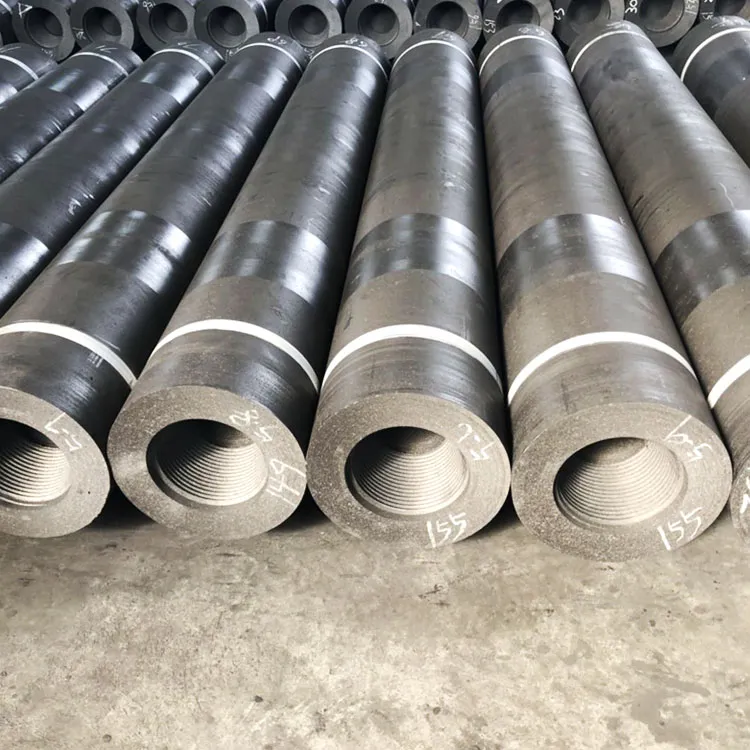
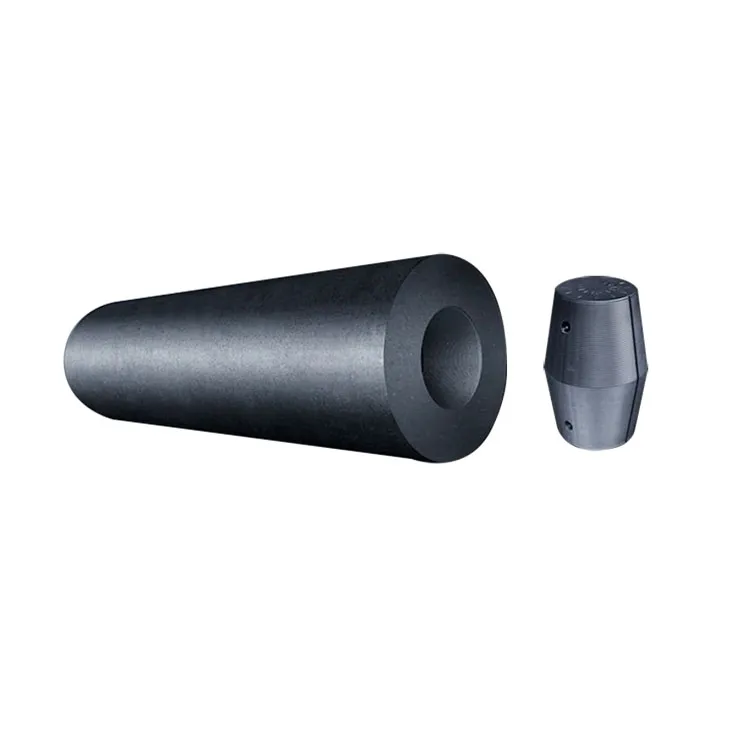
This article delves deep into the usage environment and key technical elements of high - power graphite electrodes in electric arc furnaces. The first aspect to understand is the relationship between the electrode material ratio and process control and electrode performance. High - power graphite electrodes are crucial components in the steel - making process within electric arc furnaces. Their performance can significantly affect the efficiency and stability of steel production.
Graphite electrodes are mainly composed of high - quality graphite and other additives. The purity of the graphite material is a key factor. Research shows that electrodes with a graphite purity of over 99% generally have better electrical conductivity and heat resistance. For example, a steel plant in the United States found that by using high - purity graphite electrodes, the power consumption per ton of steel was reduced by about 15% compared with electrodes with lower purity. The manufacturing process also plays a vital role. Precise control during the pressing, baking, and graphitization processes can enhance the density and strength of the electrode.
Different working conditions lead to various electrode consumption mechanisms and damage forms. In terms of furnace temperature fluctuations, when the furnace temperature fluctuates by more than ±50°C, the thermal stress on the electrode increases significantly, which may cause cracks and breakage. High current density also accelerates electrode consumption. If the current density exceeds 25A/cm² for a long time, the rate of electrode oxidation and sublimation will increase by about 30%.
Operator habits also have a huge impact. For instance, improper starting or stopping operations can cause sudden changes in the current applied to the electrode, leading to premature failure. Based on case studies from multiple steel mills, we found that in steel mills where operators are well - trained and follow standardized procedures, the electrode replacement frequency is reduced by about 20% compared to those with less - trained operators.
Optimizing the power - on curve is an effective way to extend the service life of graphite electrodes. First, we need to determine the optimal curve based on the characteristics of the electric arc furnace and the electrode. In general, a slow - start and gradually increasing power - on curve can reduce the thermal shock on the electrode.
A case study from a steel mill in Europe shows that after optimizing the power - on curve, the average service life of graphite electrodes was extended by 18%. Through continuous data collection and comparison, we found that the new power - on curve reduced the peak current stress and maintained a more stable temperature gradient within the electrode, thereby reducing the occurrence of cracks and wear.
Integrating cutting - edge industry technologies and production practices, we can propose scientific preventive maintenance strategies. Regularly checking the electrode's surface condition, including cracks, oxidation degree, and size changes, is essential. Using non - destructive testing methods such as ultrasonic testing can detect internal defects in advance.
Enhancing the electrode's thermal shock resistance and oxidation resistance mainly involves adopting new protective coatings and improving the heat treatment process. By applying a special antioxidant coating, the oxidation rate of the electrode can be reduced by about 25% during the high - temperature operation.
Are you struggling with the short service life of graphite electrodes? Our company offers high - quality graphite electrodes that have been proven to have excellent performance in multiple steel plants around the world. With advanced manufacturing technology and strict quality control, our electrodes can effectively reduce your production costs and improve production efficiency. Click here to learn more about our graphite electrode products!